
In recent months, a quiet but unmistakable shift has taken place in the world of everyday accessories. Walk into any urban coffee shop, subway station, or coworking space, and you’ll likely notice more people carrying sleek black or earthy green keychains than the once-ubiquitous rainbow-colored clips and cartoon-charm lanyards. This isn’t just a random fluctuation—it’s a reflection of evolving tastes, functional priorities, and cultural undercurrents shaping consumer behavior. While colorful keychains haven’t vanished entirely, they’ve increasingly taken a backseat to minimalist, monochrome, and nature-inspired alternatives. The rise of black and green keychains signals more than a fashion trend; it represents a broader movement toward intentionality, durability, and understated personal expression.
The Rise of Minimalist Aesthetics
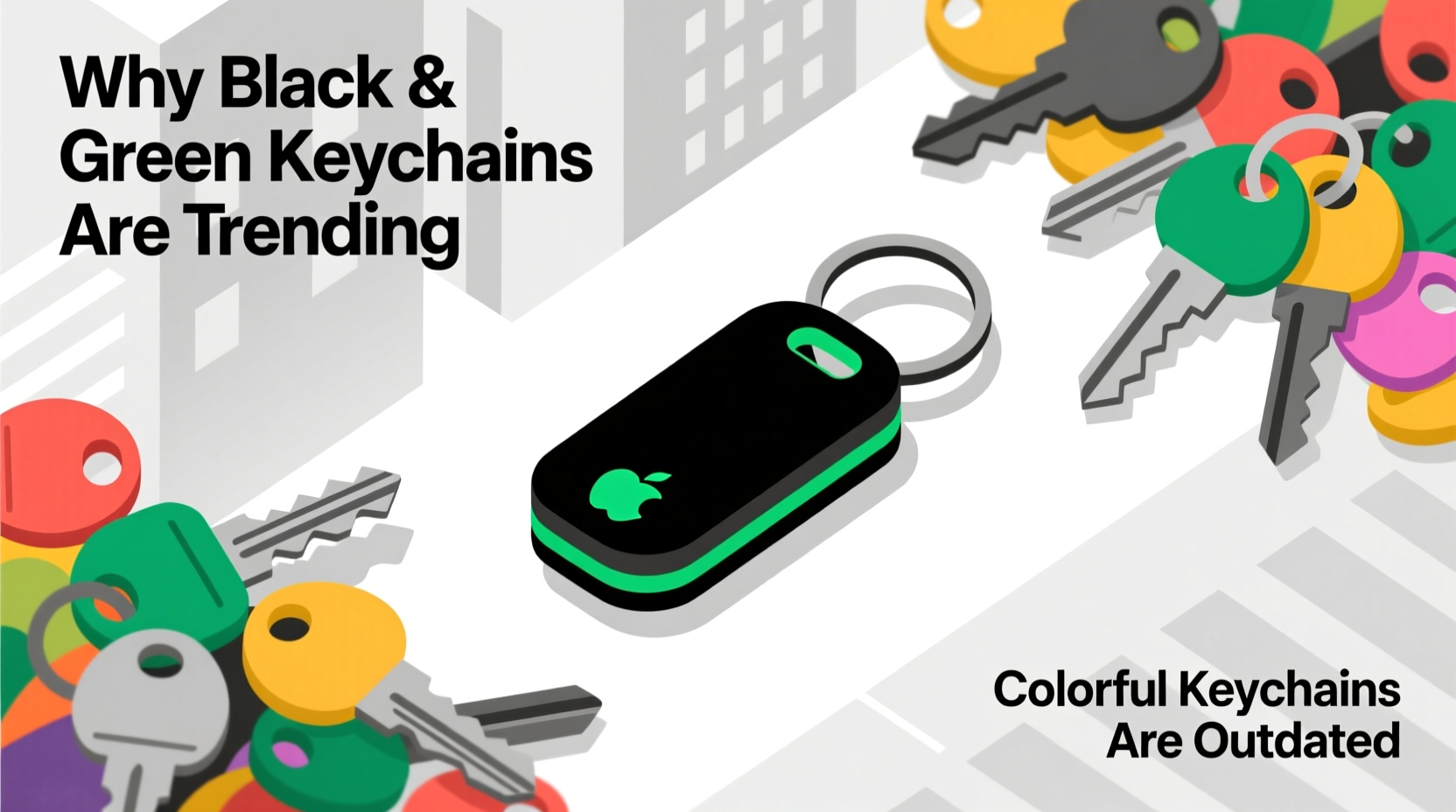
Minimalism has steadily gained traction across design, fashion, and lifestyle domains over the past decade. From capsule wardrobes to clutter-free interiors, consumers are embracing simplicity as both an aesthetic choice and a mental reset. Keychains are no exception. Black keychains—often made from materials like stainless steel, silicone, or matte-coated alloys—align perfectly with this philosophy. They’re discreet, versatile, and rarely clash with other accessories or outfits.
Green, particularly in deep forest or muted olive tones, complements this minimalist wave by introducing a subtle nod to nature without sacrificing sophistication. Unlike bright neon greens or multi-colored plastic trinkets, these deeper shades convey calmness and intentionality. Designers and brands have responded by launching collections that emphasize clean lines, tactile finishes, and muted palettes—catering to users who value function and form equally.
Functionality Over Flashiness
Colorful keychains often prioritize visual appeal over practicality. Many were designed as promotional giveaways, novelty items, or children’s accessories—plastic-heavy, prone to cracking, and lacking structural integrity. In contrast, modern black and green keychains are frequently built with utility in mind. Magnetic closures, modular attachment systems, integrated bottle openers, or even USB storage compartments are now common features in premium models.
This shift mirrors broader consumer demand for multipurpose tools. People want accessories that serve them reliably every day, not just catch their eye occasionally. As one product designer at a leading accessory brand noted:
“Users today don’t want clutter on their keyring—they want confidence. A solid black titanium clip says ‘this won’t fail’ more clearly than any glitter charm ever could.” — Lena Torres, Industrial Designer at Apex Gear Co.
Sustainability and Material Shifts
Another driving force behind the popularity of black and green keychains is sustainability. Green, especially when paired with natural materials like cork, recycled rubber, or bioplastics, evokes environmental consciousness. Brands marketing eco-friendly products often use forest green as a symbolic color, reinforcing their commitment to planet-first values.
Black keychains, meanwhile, benefit from being compatible with durable, long-lasting materials such as powder-coated metal or UV-resistant silicone. These materials resist fading, scratching, and weather damage—critical for outdoor enthusiasts, travelers, or daily commuters. When consumers invest in a $25–$40 key organizer, they expect it to last years, not months. Brightly colored plastics, which degrade faster under sun exposure and frequent use, simply can’t compete on longevity.
Comparison: Color Trends in Keychain Design (2020 vs. 2024)
| Feature | Colorful Keychains (2020) | Black/Green Keychains (2024) |
|---|---|---|
| Primary Materials | Plastic, PVC, rubber | Stainless steel, silicone, recycled aluminum |
| Average Lifespan | 6–12 months | 3+ years |
| Top Use Case | Promotional gifts, kids' items | Daily carry, EDC (Everyday Carry) |
| Sustainability Rating | Low (non-recyclable components) | Medium to High (recyclable/renewable materials) |
| Price Range (USD) | $1–$8 | $12–$50 |
Cultural and Psychological Influences
Colors carry psychological weight, and consumer choices reflect deeper emotional currents. After years of vibrant, hyper-stimulating digital environments—from social media filters to animated emojis—many people are seeking visual calm. Black offers neutrality and control; green provides grounding and balance. Both resonate with current societal moods centered around mindfulness, resilience, and authenticity.
A mini case study illustrates this well: Sarah Kim, a 32-year-old UX designer in Portland, used to collect quirky keychains featuring pop culture icons. “I had a pink unicorn, a glow-in-the-dark alien, even a tiny disco ball,” she said. “But after two moves, a burnout episode, and buying my first home, I wanted things that felt… serious. I switched to a matte black key organizer with a green paracord loop. It feels intentional. Like I’m taking care of my stuff—and myself.”
This sentiment echoes across demographics. Young professionals, outdoor adventurers, and even older adults are gravitating toward accessories that feel purposeful rather than playful.
Are Colorful Keychains Outdated?
Outdated? Not entirely. But their role has evolved. Brightly colored keychains still thrive in specific niches: school settings, team events, festivals, and branding campaigns. They remain effective visibility tools and emotional uplifters in contexts where joy and recognition matter most.
However, for personal, daily-use items, the trend is clearly shifting. What was once standard—a jumble of loud colors and dangling charms—is now seen by many as visually noisy or even unprofessional in certain environments. Employers, especially in tech, finance, or creative industries, increasingly favor subtlety in personal accessories. A sleek black key fob doesn’t distract in a boardroom; a neon dinosaur might.
Checklist: Choosing a Modern Keychain That Lasts
- ✅ Prioritize materials like stainless steel, titanium, or food-grade silicone
- ✅ Look for modular designs that allow adding/removing keys easily
- ✅ Opt for muted tones (black, olive, charcoal) if aiming for versatility
- ✅ Check for water and scratch resistance, especially if used outdoors
- ✅ Avoid glued components or flimsy plastic connectors
- ✅ Consider added functions: bottle opener, micro-tool, or flashlight
How to Transition Thoughtfully
If you’re considering moving away from colorful keychains to a more streamlined setup, do so intentionally. Start by auditing your current keyring: remove duplicates, expired access cards, or unused fobs. Then, invest in a single high-quality organizer in black or green. Allow yourself time to adjust—habits around small objects run deep.
Some users report feeling a sense of relief after simplifying. Fewer tangles, quieter pockets, and less bulk make daily routines smoother. One user described it as “digital detox for your keys.”
FAQ
Can I still use colorful keychains without looking out of touch?
Absolutely. Use them situationally—on gym bags, travel luggage, or as gifts. Pairing one colorful accent with a primarily neutral keychain can add personality without overwhelming.
Why green specifically? Why not blue or gray?
Green stands out because of its strong association with nature, sustainability, and mental wellness. While gray and navy are also popular, green offers a unique blend of visibility and symbolism that resonates with eco-conscious buyers.
Do black keychains show dirt more than others?
Not necessarily. Matte black and textured finishes hide smudges better than glossy surfaces. Regular wiping with a damp cloth keeps them looking sharp. Silicone-based black keychains are especially easy to clean.
Final Thoughts
The growing dominance of black and green keychains isn’t about discarding fun or individuality—it’s about redefining what meaningful personal accessories look like in a fast-moving, often chaotic world. These colors represent stability, thoughtfulness, and preparedness. They cater to users who value reliability over whimsy, longevity over novelty.
While colorful keychains will always have their place in celebration, childhood, and branding, the future of everyday carry leans toward minimalism, sustainability, and smart design. Whether you're upgrading your own keyring or selecting gifts for others, consider what your choice communicates—not just stylistically, but philosophically.




 浙公网安备
33010002000092号
浙公网安备
33010002000092号 浙B2-20120091-4
Comments
No comments yet. Why don't you start the discussion?