
A cluttered drawer doesn’t just make mornings harder—it reflects a larger issue of inefficient storage and poor planning. Most people treat drawers as dumping grounds for folded clothes, socks, and accessories, only to face frustration when searching for a simple pair of underwear or a matching shirt. But with thoughtful organization, your dresser can become a functional wardrobe extension that saves time, reduces stress, and even preserves clothing quality. The key lies in combining smart layout strategies with sustainable habits. This guide delivers actionable insights from professional organizers and interior designers to help you transform your drawers into models of efficiency and elegance.
Assess Your Inventory and Usage Patterns
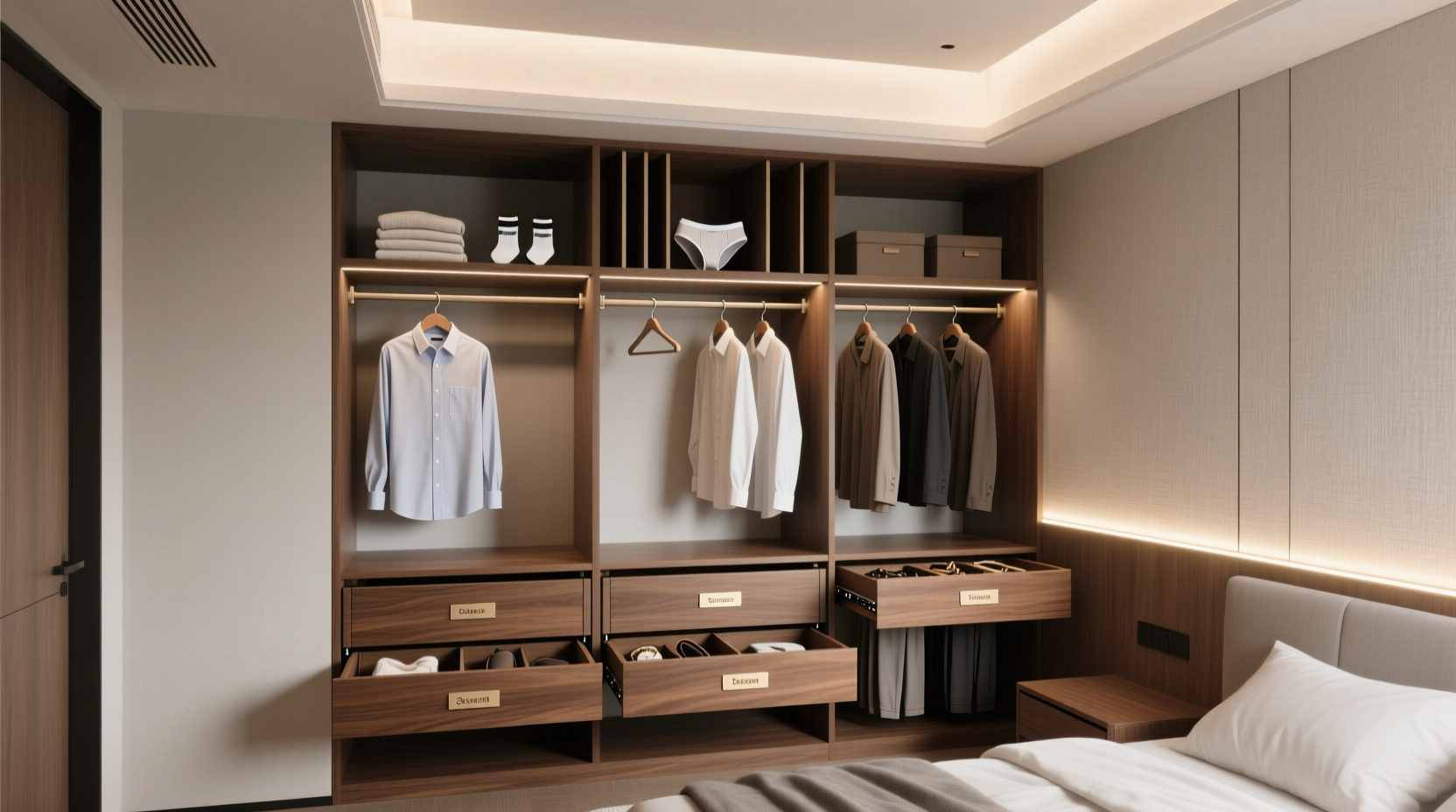
Before rearranging anything, take stock of what you actually own and use. Many drawers overflow because they hold items no longer worn—outgrown clothes, ill-fitting garments, or forgotten gifts. Begin by emptying each drawer completely. Sort items into three categories: keep, donate, and discard. Be ruthless. If you haven’t worn something in the past year, it’s likely not essential.
Next, analyze how frequently you access different types of clothing. Underwear and t-shirts are used daily; workout gear may be seasonal. Understanding usage frequency helps determine drawer placement. Reserve top drawers for high-use items and lower ones for occasional pieces like scarves or off-season sleepwear.
Master the Art of Folding and Stacking
Folding technique dramatically affects drawer usability. Traditional stacking often leads to rummaging and collapsed piles. Instead, adopt the KonMari vertical folding method, which allows every item to stand upright like files in a cabinet. This method ensures visibility and prevents disarray when removing one piece.
- Lay the garment flat.
- Fold one side toward the center, about one-third of the way.
- Repeat with the opposite side.
- Fold the bottom up, leaving enough room to tuck the top down.
- Stand the item vertically in the drawer.
This system works exceptionally well for t-shirts, pajamas, and casual shirts. For bulkier items like sweaters, fold them once and lay them flat to avoid stretching.
| Garment Type | Recommended Fold | Drawer Placement |
|---|---|---|
| T-shirts | Vertical (KonMari) | Middle drawer – front row |
| Underwear | Roll or fold small | Top drawer – divided sections |
| Socks | Roll or ball-fold | Top drawer – paired & upright |
| Dress Shirts | Flat fold with tissue paper | Bottom drawer – low traffic |
| Sweaters | Flat fold, never hung | Lowest drawer – minimal stacking |
Use Drawer Dividers and Organizers Strategically
Generic compartments don’t always fit real-life needs. Customize your dividers based on item size and shape. Adjustable acrylic trays, bamboo inserts, or even repurposed shoeboxes can create tailored zones. For example:
- Use narrow slots for rolled belts or ties.
- Create square pockets for bras or athletic wear.
- Designate a corner for travel-sized toiletries if using a bedroom dresser.
For sock and underwear pairs, store them pre-matched and upright. Rolling socks keeps elastic tight and prevents loss. Consider silicone tray liners to prevent sliding, especially in deep drawers.
Real-Life Example: Transforming a Family Dresser
Sarah, a mother of two in Portland, struggled with a shared dresser where clothes mixed and mornings turned chaotic. Her solution? A weekend overhaul. She emptied all three drawers, donated 40% of unused items, and installed modular dividers. Each child got color-coded sections: blue for her son’s t-shirts, pink for her daughter’s leggings. Socks were rolled and stored in egg carton-style trays. Sarah placed daily-use items in the top drawer, while off-season pajamas went into vacuum bags beneath the dresser. The result? Mornings became 15 minutes faster, and her kids learned independence by locating their own clothes.
Expert Insight on Long-Term Maintenance
Organization isn’t a one-time fix—it requires maintenance. According to Clara Nguyen, certified home organizing consultant and author of *Calm Spaces*, “The best systems fail without routine upkeep. Schedule a five-minute drawer reset weekly. It prevents clutter buildup and reinforces order.”
“Efficiency isn’t about perfection—it’s about designing systems that match your lifestyle.” — Clara Nguyen, Home Organization Expert
Nguyen recommends assigning a ‘home’ for every category of clothing. When everything has a designated spot, returning items becomes automatic. She also warns against overfilling: drawers should only be filled to 80% capacity to allow easy access and prevent fabric strain.
Step-by-Step Guide to Drawer Optimization
Follow this six-step process to reorganize any clothes drawer effectively:
- Empty completely: Remove all contents to assess space and condition.
- Edit ruthlessly: Keep only what fits, flatters, and is regularly worn.
- Clean the drawer: Wipe down surfaces with a microfiber cloth; consider lining with non-slip paper.
- Plan zones: Map out sections based on garment type and usage frequency.
- Install organizers: Add dividers, trays, or foldable boxes as needed.
- Arrange vertically: Fold and place items upright for visibility and ease.
Reassess every season. Rotate summer tees out for winter thermals. This keeps drawers relevant and manageable year-round.
Do’s and Don’ts of Drawer Organization
| Do’s | Don’ts |
|---|---|
| Use vertical folding for visibility | Stack too many layers causing collapse |
| Group like items together | Mix formal and casual wear randomly |
| Label sections if shared | Store dirty or damp clothes in drawers |
| Rotate seasonal items | Ignore signs of moisture or mildew |
| Invest in quality inserts | Overstuff to “save space” |
Frequently Asked Questions
How do I prevent clothes from wrinkling in drawers?
Use tissue paper between folds for delicate fabrics like silk or linen. Avoid over-packing, and opt for breathable materials in your drawer liners. For wrinkle-prone items, consider flat storage with minimal stacking.
Should I roll or fold my clothes?
Roll soft, stretchy fabrics like cotton t-shirts and underwear to save space and prevent creasing. Fold structured garments such as button-down shirts or blazers to maintain shape. The choice depends on fabric type and drawer depth.
What’s the best way to organize a small drawer?
Maximize small drawers with tiered dividers or stackable trays. Prioritize high-use items and limit quantity. Use rolling for socks and underwear to fit more in less space. Clear bins help visibility without opening the drawer.
Final Thoughts: Style Meets Functionality
Well-organized drawers do more than tidy up space—they enhance daily living. When every item has a purpose and a place, getting dressed becomes effortless, confidence rises, and closet fatigue fades. The fusion of style and practicality isn’t reserved for luxury homes; it’s achievable in any bedroom with intention and consistency. By applying these expert-backed strategies, you’re not just arranging clothes—you’re designing a smarter, calmer lifestyle.




 浙公网安备
33010002000092号
浙公网安备
33010002000092号 浙B2-20120091-4
Comments
No comments yet. Why don't you start the discussion?