
Traveling light doesn’t just mean packing fewer clothes—it also means streamlining your essentials. One of the most effective ways to reduce bulk and increase efficiency is by switching to a mini wallet. Compact, functional, and often RFID-protected, these small accessories are revolutionizing how travelers manage cash, cards, and identification. But choosing and using a mini wallet effectively requires more than just buying one online. It demands thoughtful planning, smart organization, and an understanding of both convenience and risk mitigation.
This guide explores how to get the most out of a mini wallet during travel—how to organize it, protect it, and use it in ways that enhance both accessibility and safety. From urban explorers to backpackers crossing borders, anyone who values mobility and peace of mind can benefit from mastering the art of the minimalist wallet.
Why Mini Wallets Are Ideal for Travel
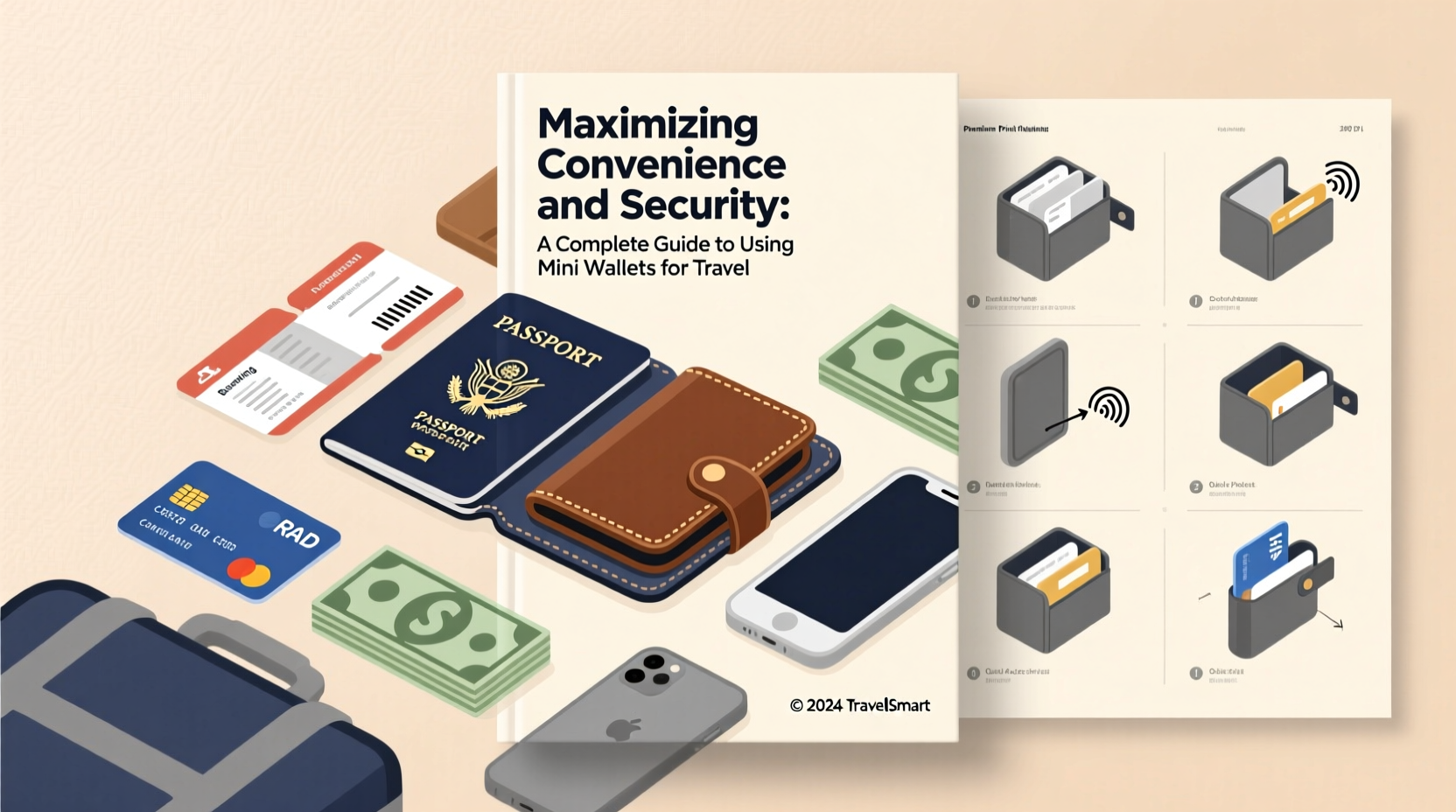
Traditional billfolds often carry excess weight: multiple credit cards, old receipts, loyalty cards, and bulky coin pockets. In contrast, mini wallets are designed around simplicity. They encourage users to carry only what’s essential, reducing physical strain and mental clutter. Their slim profiles slip easily into front pockets, reducing pickpocket risks common in crowded tourist areas.
Modern mini wallets come in materials like ballistic nylon, aluminum, and premium leather, many featuring RFID-blocking technology to prevent digital theft of card information. Some include quick-access slots for boarding passes or ID, making them ideal for airport navigation. Because they’re lightweight and low-profile, they also minimize discomfort during long walks or flights.
Choosing the Right Mini Wallet for Your Needs
Not all mini wallets serve the same purpose. The best choice depends on your destination, travel style, and personal habits. Consider the following factors before purchasing:
- Capacity: Can it hold two to three cards, some folded bills, and a government-issued ID?
- Security Features: Does it offer RFID protection or locking mechanisms?
- Durability: Is the material resistant to water, tearing, and daily wear?
- Access Speed: Can you retrieve your ID or transit card without fumbling?
- Discreet Design: Does it avoid drawing attention with flashy branding or bright colors?
“Minimalist wallets force intentionality. When you only have space for four cards, you think twice about which ones actually serve you.” — Daniel Lin, Urban Mobility Consultant
Mini Wallet Comparison: Features at a Glance
| Type | Best For | Card Capacity | RFID Protection | Cash Storage |
|---|---|---|---|---|
| Slim Leather Bifold | Business travelers, city tours | 3–4 cards | Optional | Folded bills (1–2) |
| Metal Money Clip Wallet | Urban environments, festivals | 2–3 cards + clip | Yes (if shielded) | Yes, secure clip |
| Front Pocket Nylon Sleeve | Backpacking, hiking | 2–3 cards | Standard | Limited (slip-in) |
| Smart Tracker-Enabled Wallet | International trips, forgetful travelers | 3 cards | Yes | Minimal |
Step-by-Step: How to Organize Your Mini Wallet for Travel
Efficiency starts with preparation. Follow this timeline in the days leading up to your trip to ensure your mini wallet supports—not hinders—your journey.
- 7 Days Before Departure: Audit your current wallet. Remove expired cards, duplicates, and unnecessary items.
- 5 Days Before: Select primary payment methods—choose one main credit card and one backup, preferably from different networks (e.g., Visa and Mastercard).
- 3 Days Before: Add local currency in small denominations. Avoid carrying large bills unless necessary.
- 1 Day Before: Insert your government-issued photo ID and, if applicable, a printed emergency contact card.
- Day of Travel: Double-check that your wallet contains no sensitive documents (like your passport copy) unless required for check-in.
Real-World Example: A Solo Traveler in Barcelona
Sophie, a freelance designer from Portland, traveled to Barcelona for a two-week creative retreat. She carried a slim aluminum wallet with two cards—one for daily spending, one as a backup—and €120 in mixed denominations. During a visit to La Rambla, she noticed someone attempting to reach into her back pocket. Because her wallet was in her front jeans pocket, she felt the movement immediately and stepped away. Later, she credited her choice of mini wallet not just with preventing theft, but also with helping her move through markets and metro stations faster, without digging through a bulky purse.
She kept her passport locked in her hotel safe and used her phone for digital tickets. Her mini wallet held only what she needed for the day—proving that minimalism isn’t about sacrifice, but strategic prioritization.
Essential Security Practices When Using Mini Wallets
A compact wallet enhances security only when paired with smart behaviors. Pickpocketing remains a global issue, especially in tourist-heavy cities like Rome, Bangkok, and Istanbul. According to Europol, over 300,000 reported thefts occur annually in EU tourist zones alone—many involving unsecured wallets.
To stay protected:
- Use wallets with snap closures or magnetic locks to prevent accidental drops.
- Avoid placing your wallet in outer jacket pockets or side bags accessible from behind.
- Carry a decoy wallet with expired cards and a few bills if visiting high-risk areas.
- Enable transaction alerts on your bank accounts to detect unauthorized charges instantly.
“Physical theft is still the number one financial risk for travelers. A well-placed, minimalist wallet cuts exposure dramatically.” — Inspector Luca Moretti, International Travel Safety Unit, Interpol
Mini Wallet Do’s and Don’ts
| Do | Don’t |
|---|---|
| Keep it in a front zippered pocket | Store it in a back pocket |
| Limit contents to essentials | Carry your entire card collection |
| Use RFID-blocking models in crowded areas | Leave your wallet visible on café tables |
| Have a digital backup of card numbers | Write down PINs on paper inside the wallet |
Frequently Asked Questions
Can I fit a passport in a mini wallet?
No—standard passports are too large and stiff for most mini wallets. Attempting to fold or force it in can damage both the document and the wallet. Instead, use a dedicated passport holder or keep it secured in your accommodation or a money belt.
What if my mini wallet gets lost or stolen?
Act immediately: contact your bank to freeze cards, report loss to local authorities, and notify your embassy if ID was included. This is why keeping digital records of your cards (number, expiration, CVV location) in a password-protected note is critical. Never store physical copies in the wallet itself.
Are smart wallets worth the extra cost?
For frequent international travelers, yes. Models with Bluetooth tracking (like those integrated with Apple Find My or Tile) can help locate a misplaced wallet within a 30-meter range. Some even alert you when you walk too far from your wallet—ideal for busy airports or train stations.
Final Thoughts: Travel Lighter, Smarter, Safer
The shift to a mini wallet is more than a fashion statement—it’s a strategic upgrade in personal logistics. By reducing clutter, improving access, and enhancing physical security, these compact tools empower travelers to focus on experiences, not possessions. Whether navigating Tokyo’s subway or exploring a remote village market, knowing your essentials are secure and within reach brings undeniable peace of mind.




 浙公网安备
33010002000092号
浙公网安备
33010002000092号 浙B2-20120091-4
Comments
No comments yet. Why don't you start the discussion?