
A leather iPhone case is more than just protection—it’s a statement of taste, quality, and long-term thinking. Unlike plastic or silicone alternatives, genuine leather ages beautifully, developing a unique patina that reflects its use and care. However, to truly extract lasting value from your investment, you need more than just good intentions. The right selection, daily habits, and consistent maintenance determine whether your case remains a stylish companion for years—or deteriorates prematurely under neglect.
With prices ranging from $40 to over $120 for premium models, maximizing return on a leather case isn’t about stretching budget alone—it’s about preserving function, enhancing appearance, and reducing the need for frequent replacements. This guide walks through proven strategies to help you protect both the integrity and elegance of your iPhone leather case, so it performs well and looks better with time.
Choosing the Right Leather Case for Long-Term Value
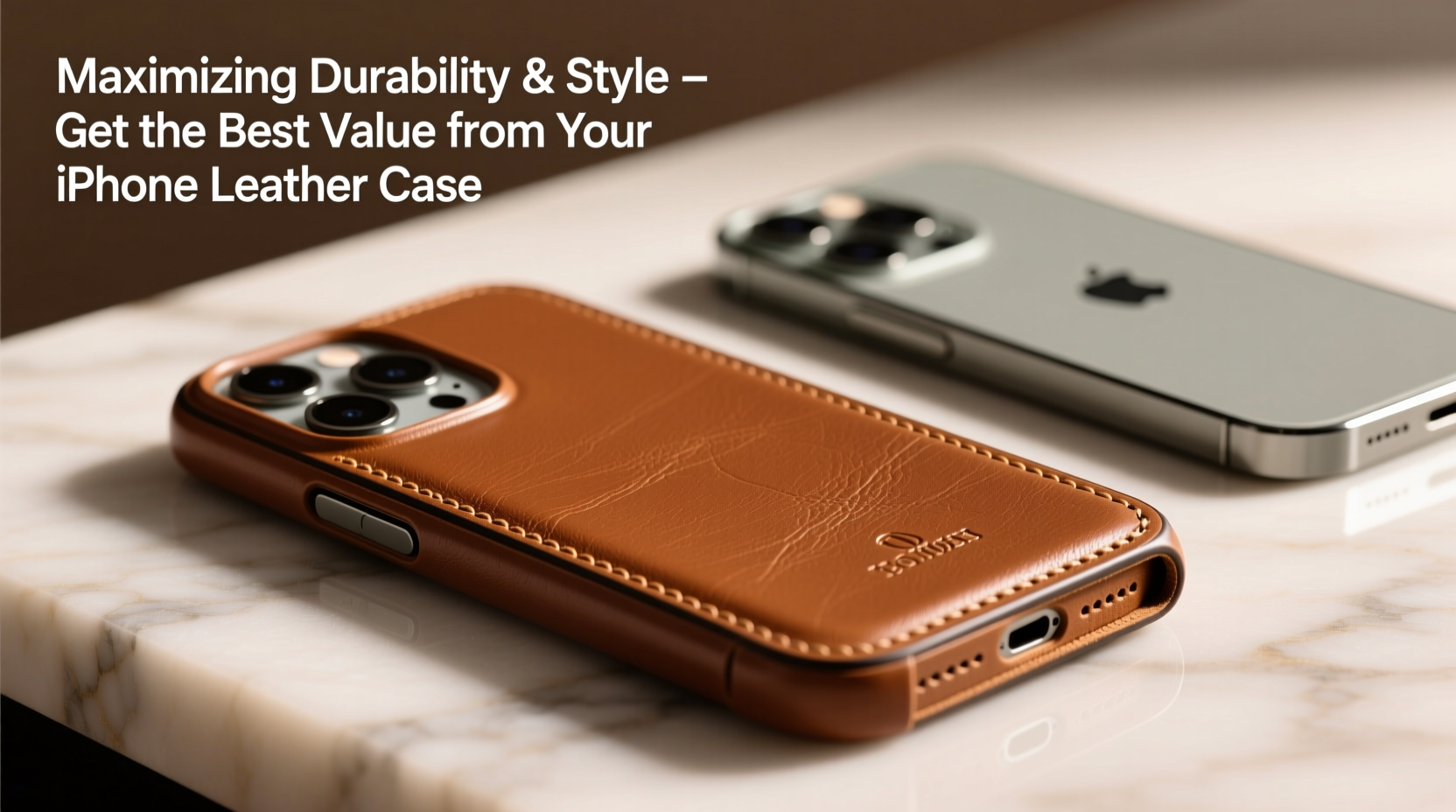
Not all leather cases are created equal. The foundation of long-term value starts at purchase. Opting for a high-quality case made from full-grain or top-grain leather significantly increases durability and aging potential. Full-grain leather retains the natural grain and fibers, making it more resistant to wear while developing a rich patina. In contrast, bonded or corrected-grain leathers may look polished initially but often degrade faster when exposed to moisture or friction.
Consider the construction details: stitched edges last longer than glued ones, and precision-cut openings ensure your ports and camera remain accessible without strain on the material. Magnetic closures, if present, should be strong enough to hold securely but not so tight they stress the leather over time.
Material Comparison: What Type of Leather Lasts?
| Leather Type | Durability | Patina Development | Price Range (USD) |
|---|---|---|---|
| Full-Grain | ★★★★★ | Excellent | $70–$120 |
| Top-Grain | ★★★★☆ | Good | $50–$90 |
| Bonded | ★★☆☆☆ | Poor | $30–$60 |
| Vegetable-Tanned | ★★★★☆ | Exceptional | $60–$100 |
Vegetable-tanned leather, though slightly stiffer at first, is especially prized for its eco-friendly tanning process and ability to age gracefully. It darkens naturally with exposure to sunlight and oils from your hands, creating a personalized look unmatched by synthetic materials.
The Daily Care Routine That Preserves Quality
Your interaction with the case throughout the day plays a crucial role in its lifespan. Sweat, hand oils, dust, and pocket lint gradually accumulate, leading to discoloration and surface degradation. A simple cleaning habit once a week can prevent buildup and maintain texture.
Use a soft, dry microfiber cloth to wipe down the exterior and interior surfaces. For deeper cleaning, lightly dampen the cloth with distilled water—never spray liquid directly onto the leather. Gently rub in circular motions, then allow the case to air-dry completely before reattaching your phone.
“Leather is porous. Regular dusting and occasional conditioning keep it supple and prevent premature drying.” — Daniel Reeves, Product Care Specialist at Tanner Leather Studios
Step-by-Step Weekly Maintenance
- Remove the iPhone from the case.
- Wipe down both inner and outer surfaces with a dry microfiber cloth.
- For smudges, lightly dampen the cloth with distilled water and clean affected areas.
- Allow the case to air-dry for 10–15 minutes away from direct heat.
- Apply a pea-sized amount of leather conditioner using a clean cloth, rubbing in gentle motions.
- Buff lightly after 5 minutes to remove excess product.
Protecting Against Environmental Damage
Leather is sensitive to environmental extremes. Prolonged exposure to direct sunlight fades color and dries out fibers. Humidity promotes mold growth, while excessive dryness causes brittleness. Temperature fluctuations, especially near heaters or car dashboards, compromise structural integrity.
Store your phone in shaded pockets or bags when outdoors. If leaving your device in a vehicle, place it in a glove compartment or center console—not on the dashboard. Indoors, avoid placing it near radiators or windowsills where UV rays penetrate.
Moisture is one of the biggest threats. If your case gets wet, remove the phone immediately, blot excess water with a dry cloth, and let it air-dry at room temperature. Do not use hairdryers or ovens, as rapid heat damages leather proteins.
Do’s and Don’ts for Environmental Protection
| Do | Don't |
|---|---|
| Store in a breathable fabric pouch when not in use | Keep in sealed plastic bags |
| Condition every 6–8 weeks | Over-condition (once monthly is enough) |
| Rotate between multiple cases if used heavily | Leave in direct sun for hours |
| Use silica gel packets in storage drawers | Expose to rain or spills intentionally |
Real Example: How One User Extended Case Life by Three Years
Mark T., a freelance photographer in Portland, purchased an Apple Leather Case for his iPhone 13 Pro in 2021. Rather than replacing it annually like most peers, he implemented a disciplined care routine. He cleaned the case weekly, conditioned it bi-monthly, and stored it in a lined wooden drawer at night. When traveling, he used a padded sleeve instead of tossing it into camera bags with lenses and cables.
After three years, the case had deepened in color, developed subtle character marks, and remained fully functional. “It feels more personal now,” Mark said. “People ask if it’s vintage. I’ve saved over $200 in replacement costs—and I actually enjoy using it more today than on day one.”
This example underscores a key truth: thoughtful usage compounds value. Small habits, consistently applied, transform a simple accessory into a long-term asset.
Frequently Asked Questions
Can I use coconut oil or household moisturizers on my leather case?
No. While some natural oils may seem harmless, they can go rancid or attract dust. Always use conditioners specifically formulated for fine leather. Products containing lanolin or beeswax are ideal for maintaining suppleness without residue.
Will my leather case scratch my iPhone?
High-quality leather cases include soft microfiber linings that protect the phone’s finish. However, dirt trapped inside the case can cause micro-scratches. Clean the interior monthly and inspect for grit buildup around corners and buttons.
How long should a good leather case last?
With proper care, a full-grain leather case typically lasts 3–5 years. Some users report cases lasting over seven years with minimal wear. Bonded leather versions often show significant deterioration within 12–18 months.
Final Checklist: Getting the Most From Your Investment
- ✔️ Choose full-grain or vegetable-tanned leather
- ✔️ Clean weekly with a dry microfiber cloth
- ✔️ Condition every 6–8 weeks
- ✔️ Avoid exposure to water, heat, and direct sunlight
- ✔️ Store in a cool, dry place with airflow
- ✔️ Inspect stitching and edges quarterly for signs of wear
- ✔️ Rotate cases if used daily for heavy tasks
Make Your Style Last
A leather iPhone case doesn’t have to be disposable. With informed choices and mindful maintenance, it evolves from a protective shell into a refined extension of your personal aesthetic. Every scuff tells a story; every deepening hue reflects care. By investing a few minutes each week into preservation, you gain years of reliable service and enduring style. Start today—your future self will appreciate the craftsmanship that stands the test of time.




 浙公网安备
33010002000092号
浙公网安备
33010002000092号 浙B2-20120091-4
Comments
No comments yet. Why don't you start the discussion?