
In an era defined by minimalism and efficiency, the simple act of carrying keys has evolved. No longer just a jangling burden in your pocket, keys are now part of a streamlined personal ecosystem. The multifunctional key case has emerged as a quiet hero—combining utility, design, and practicality into one compact solution. More than just a container, it’s a tool for reducing friction in daily routines. Whether you're commuting, traveling, or simply moving through your day, a well-used key case can eliminate clutter, protect essential tools, and enhance accessibility.
The Evolution of Key Management
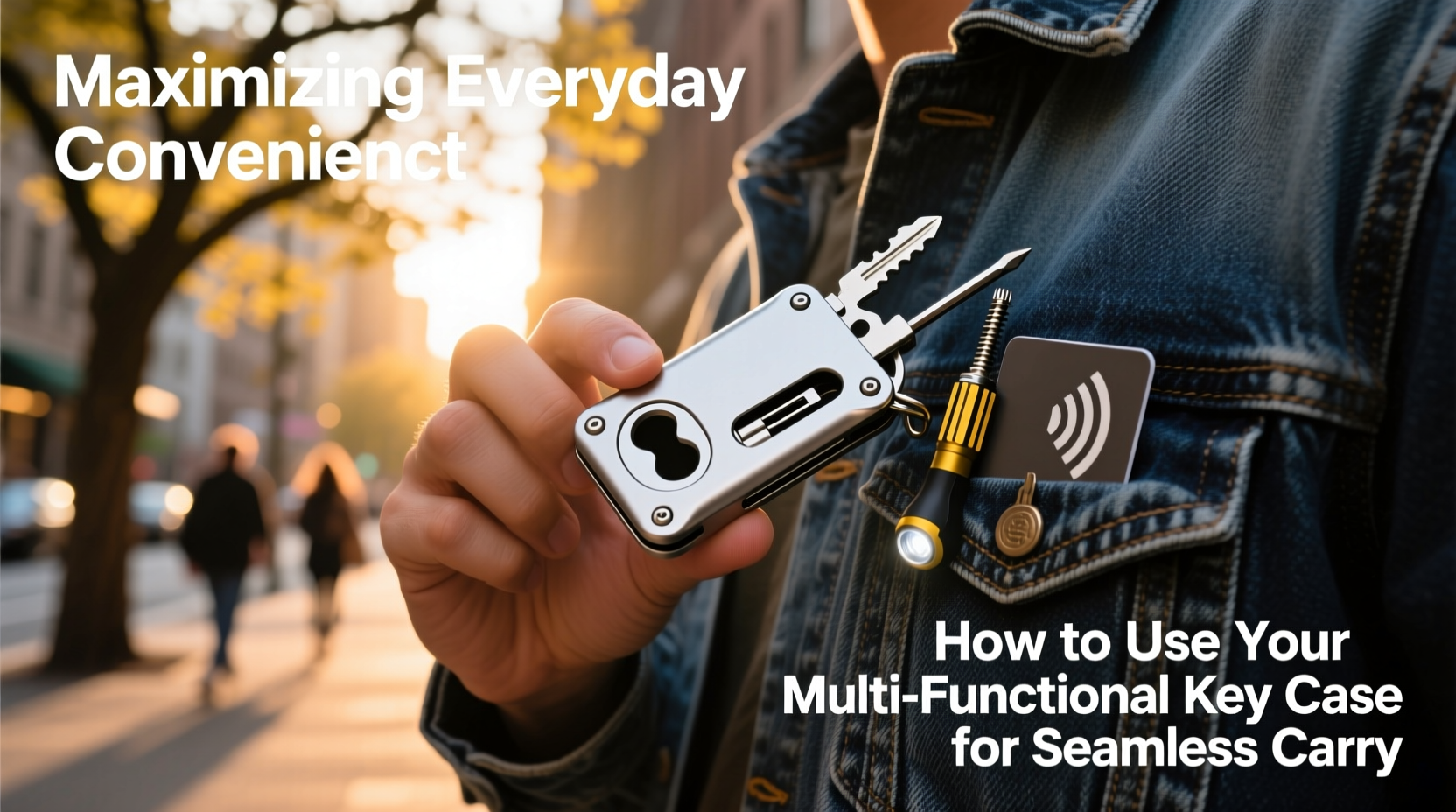
Gone are the days when keys were tossed loosely into pockets or purses. That approach leads to scratches on phones, discomfort while sitting, and the all-too-familiar scramble when you need access quickly. The modern multifunctional key case addresses these pain points by integrating several features: secure key retention, built-in tools (like bottle openers or flathead screwdrivers), RFID protection, and even space for small essentials like USB drives or SD cards.
These cases are typically constructed from durable materials such as aircraft-grade aluminum, stainless steel, or reinforced polymers. Their modular designs allow users to customize layout based on lifestyle—whether you’re a city commuter, outdoor enthusiast, or frequent traveler.
Core Features of a High-Performance Key Case
Not all key cases are created equal. To truly maximize convenience, look for models that offer more than basic storage. Here are the most valuable features to consider:
- Modular Key Retention System: Allows individual key placement and quick removal without disassembling the entire unit.
- Tool Integration: Built-in flathead screwdriver, bottle opener, or pry bar adds unexpected utility.
- RFID Shielding: Protects contactless credit cards or ID badges stored within from digital theft.
- Compact Dimensions: Should fit comfortably in front or back pockets without bulk.
- Durable Finish: Anodized or powder-coated surfaces resist scratches and corrosion.
- Attachment Options: Includes carabiner, lanyard loop, or belt clip for alternative carry styles.
“People underestimate how much cognitive load comes from disorganization. A well-designed key case reduces decision fatigue before you even leave the house.” — Jordan Lee, Product Design Strategist at Urban Gear Labs
Step-by-Step Guide to Optimizing Your Key Case Setup
Using a multifunctional key case effectively requires intentional setup. Follow this timeline to get the most out of your device:
- Day 1 – Audit Your Keys and Extras: Remove any keys you no longer use regularly. Decide which additional items (USB drive, mini flashlight, etc.) make sense to include.
- Day 2 – Organize by Frequency: Place frequently used keys (home, car, office) in the most accessible slots. Less-used spares go toward the center or bottom.
- Day 3 – Integrate Tools and Cards: If your case supports RFID shielding, store a backup access card or slim transit pass inside. Attach only one tool if multiple are available—avoid overloading.
- Day 4 – Test Carry Comfort: Wear the case in your preferred pocket for a full day. Adjust orientation if it digs or shifts excessively.
- Day 5 – Refine and Lock In: Remove anything non-essential. Finalize layout and commit to using it consistently.
Real-Life Application: A Week in the Life of a Key Case User
Consider Mark, a project manager in Chicago who commutes via bike and public transit. Before adopting a multifunctional key case, he carried a traditional keyring with seven keys, a folding knife, and a USB stick—all loose in his jacket pocket. His phone often got scratched, and he once dropped his keys while unlocking his bike lock in the rain.
After switching to a modular aluminum key case, he consolidated his essentials: home key, office fob, bike lock key, and a micro-USB drive embedded into the side. The built-in flathead doubled as a quick fix for loose bike pedals. Within a week, he reported fewer distractions, no lost items, and greater confidence in his daily carry. “It’s not just about holding keys,” he said. “It’s about making everything I need feel predictable.”
Do’s and Don’ts: Maximizing Longevity and Function
| Do’s | Don’ts |
|---|---|
| Clean the interior monthly with compressed air to remove lint and debris. | Overload the case beyond its intended capacity—this stresses hinges and clips. |
| Use silicone lubricant on moving parts every 3–6 months for smooth operation. | Expose the case to prolonged moisture without drying it—especially important for metal builds. |
| Carry it in a dedicated pocket to avoid scratching other devices. | Store it near magnets or high-heat sources, which can degrade internal components or adhesives. |
| Check alignment of keys weekly to prevent accidental release. | Ignore signs of wear like wobbly screws or frayed edges—address early. |
Frequently Asked Questions
Can a multifunctional key case really replace a wallet?
While not a full replacement, many advanced models include RFID-protected sleeves for one or two cards and cash straps. For minimalists, this allows leaving the wallet at home during quick errands. However, those needing multiple cards, IDs, or receipts should still carry a separate wallet.
Are these cases compatible with smart keys or fobs?
Yes, most modern key cases are designed with cutouts or external clips to accommodate bulky smart keys (e.g., Tesla, BMW, or keyless entry fobs). Look for models advertising “fob-friendly” compartments or adjustable exterior clamps.
How do I clean and maintain my key case?
Wipe down the exterior with a damp microfiber cloth. For deeper cleaning, disassemble if possible and use a soft brush to remove grime from crevices. Avoid submerging unless specified as waterproof. Lubricate moving mechanisms sparingly with dry Teflon spray.
Building a Seamless Carry Philosophy
The value of a multifunctional key case extends beyond physical convenience—it reflects a broader mindset of intentional living. Every item you carry should earn its place. When your keys are organized, protected, and enhanced with useful tools, you reduce friction at every transition point: entering your home, starting your car, accessing workspaces.
This philosophy aligns with the principles of ergonomic design and time-motion efficiency. By minimizing the effort required for routine actions, you reclaim small moments throughout the day. Over time, those moments compound into noticeable improvements in focus, comfort, and preparedness.
Final Checklist: Is Your Key Case Working for You?
- ✅ All essential keys are present and securely fastened
- ✅ No unnecessary items adding bulk
- ✅ Tools function smoothly without looseness
- ✅ RFID protection is active if storing cards
- ✅ Carry method (pocket, clip, lanyard) feels natural and stable
- ✅ Case is clean and free of debris affecting performance
- ✅ Layout hasn’t changed unexpectedly after daily use
Conclusion: Elevate the Everyday
The smallest changes often yield the greatest returns. A multifunctional key case may seem like a minor upgrade, but its impact resonates across your day-to-day experience. From eliminating pocket chaos to providing emergency utility, it embodies the power of thoughtful design applied to ordinary objects.
Start today by evaluating your current key management system. Identify inefficiencies, then apply the strategies outlined here to build a seamless carry solution tailored to your life. When convenience is engineered into the mundane, you create space for what truly matters.




 浙公网安备
33010002000092号
浙公网安备
33010002000092号 浙B2-20120091-4
Comments
No comments yet. Why don't you start the discussion?