
When it comes to affordable yet stylish timepieces, Megir has carved a niche with its diverse range of watches that mimic high-end designs at accessible price points. Among the most debated features in their lineup is the choice between \"big face\" and \"small face\" models. While aesthetics are subjective, certain principles of proportion, wearability, and personal style can guide you toward the right decision. Understanding how dial size interacts with your wrist dimensions, outfit choices, and lifestyle helps determine not just what looks good—but what feels right.
The Anatomy of Dial Size: What Defines “Big” vs “Small”?
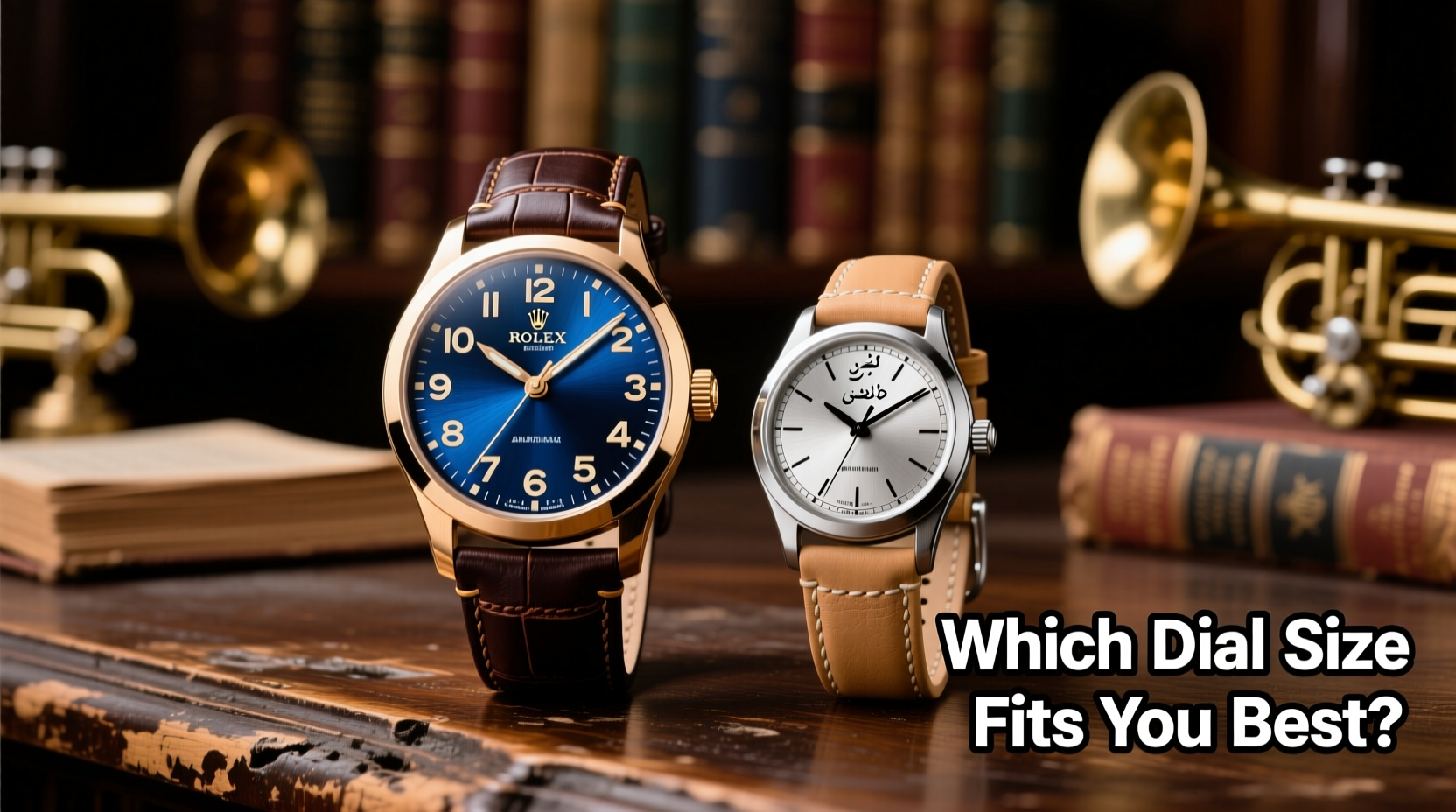
In the Megir catalog, “big face” watches typically feature case diameters ranging from 40mm to 45mm, sometimes even larger, with bold numerals, prominent bezels, and layered dials. These are often inspired by sporty or military-style chronographs. In contrast, “small face” models usually fall between 34mm and 38mm, offering slimmer profiles, minimalist markers, and a more classic or dressy appearance.
Dial size isn’t just about visual impact—it affects comfort, balance, and versatility. A watch that dominates the wrist might project confidence but could feel cumbersome during daily tasks. Conversely, a smaller dial may blend seamlessly into formal settings but risk appearing underwhelming on larger wrists.
“Proportion is everything in watch design. A well-fitted dial enhances presence without overwhelming the wearer.” — Daniel Reeves, Horology Consultant
Wrist Size & Proportion: The Golden Rule
No single dial size suits all. The key lies in matching the watch to your wrist circumference. Here’s a general guideline:
| Wrist Size (inches) | Recommended Case Diameter | Suitable Megir Style |
|---|---|---|
| 5.5 – 6.0 | 34–36mm | Small face, minimalist, dress-inspired |
| 6.1 – 7.0 | 37–40mm | Balanced—both styles work |
| 7.1 – 8.0+ | 40–44mm | Big face, bold numerals, rugged look |
For example, a man with a 5.8-inch wrist wearing a 44mm Megir big face model may find the watch visually disproportionate—overhanging the edges and drawing attention for the wrong reasons. On the other hand, someone with a 7.5-inch wrist might render a 36mm dial as too delicate, almost like a bracelet charm rather than a statement piece.
Style Context: When Big Works, When Small Shines
Your wardrobe and occasions play a decisive role. Big face Megir watches thrive in casual and outdoor environments. Their oversized dials, often with luminous hands and military numbering, evoke adventure and durability. They pair well with:
- Denim jackets and boots
- Tactical gear or hiking attire
- Casual streetwear with bold graphics
However, in formal or office settings, large dials can appear excessive. This is where small face Megir watches excel. With clean lines, subtle indices, and thinner cases, they complement button-down shirts, blazers, and even suit cuffs without snagging or protruding awkwardly.
A real-world scenario illustrates this: James, a graphic designer, owns both a Megir 44mm military-style big face watch and a 36mm minimalist silver dial model. He wears the big one on weekends for coffee runs and creative meetups—its rugged look matches his edgy aesthetic. But during client presentations, he switches to the smaller model. “It doesn’t distract,” he says. “Clients focus on me, not my wrist.”
Comfort and Practicality: Beyond Aesthetics
While visual appeal matters, long-term wearability hinges on comfort. Big face watches, due to their mass and thickness, can catch on door handles, keyboard edges, or shirt sleeves. They may also rotate on smaller wrists unless secured tightly—which can cause skin irritation over time.
Smaller dials sit flush against the wrist, reducing friction and enhancing movement freedom. They’re ideal for frequent typists, drivers, or anyone who values subtlety in motion. However, readability can suffer in low light or for users with vision challenges—another reason some prefer the bold numerals of big face models.
Consider battery access too. Many Megir big face watches have screw-down backs requiring tools for replacement, while smaller models often feature snap-off cases for easier maintenance.
Step-by-Step Guide: Choosing Your Ideal Megir Dial Size
- Measure your wrist accurately using a flexible measuring tape.
- Try on reference watches if possible—borrow a friend’s timepiece in the 38mm or 42mm range to test proportions.
- Evaluate your typical outfits: Do you wear mostly casual, formal, or mixed attire?
- Assess daily activities: Will the watch be exposed to impacts, water, or tight spaces?
- Decide on priority: Is visual impact more important than comfort, or vice versa?
- Select a Megir model within the recommended size range and test it for at least a day.
Expert Recommendations and Common Pitfalls
Many buyers fall into the trap of equating larger dials with higher status. In reality, oversized watches on undersized wrists can appear comically unbalanced. The inverse is also true—wearing a tiny dial on a large arm may suggest indecision or lack of confidence.
Watchmakers emphasize harmony. As one industry veteran puts it: “A watch should whisper, not shout. Even a big dial can be elegant if it fits.”
Checklist: Before You Buy a Megir Watch
- ✅ Measured my wrist size accurately
- ✅ Identified my primary use case (casual, formal, active)
- ✅ Compared dial size to similar watches I already own
- ✅ Considered strap material and adjustability
- ✅ Read user reviews focusing on comfort and fit
- ✅ Verified return policy in case sizing is off
Frequently Asked Questions
Can a big face Megir watch look good on a small wrist?
Possibly, but only if the design elements—like a slim bezel, short lugs, or integrated strap—minimize overhang. Some fashion-forward wearers intentionally go oversized for a trendy look, but it risks compromising elegance and comfort.
Are small face watches outdated?
No. While oversized dials trended in the 2010s, recent years have seen a resurgence in minimalist, vintage-inspired designs. Small face watches are increasingly favored for their timeless appeal and versatility across seasons and styles.
Do Megir big face watches have better features?
Not necessarily. Both big and small models offer quartz accuracy, water resistance (typically 3ATM), and scratch-resistant glass. Feature differences depend more on the specific model than dial size.
Final Verdict: Which Actually Looks Better?
There is no universal answer. The “better” dial size depends entirely on context. For most men with average wrist sizes (6.5–7.5 inches), a 38–40mm Megir watch strikes the ideal balance—visible enough to appreciate details, modest enough to remain versatile. Women or those with slender wrists often find 34–36mm models more flattering. Larger individuals or those seeking a bold statement may lean toward 42mm+ big face variants.
Ultimately, the best-looking watch is the one that aligns with your proportions, lifestyle, and self-expression. Megir’s affordability makes experimenting accessible—why choose one when you can own both and switch based on the moment?




 浙公网安备
33010002000092号
浙公网安备
33010002000092号 浙B2-20120091-4
Comments
No comments yet. Why don't you start the discussion?