
Millions turn to melatonin as a go-to sleep aid, drawn by its natural reputation and over-the-counter availability. Yet, many report that melatonin doesn’t work—or stops working after a few weeks. If you’ve found yourself lying awake despite taking melatonin, you're not alone. The issue often isn't the supplement itself but how it's being used, underlying health conditions, or lifestyle factors undermining its effectiveness. Understanding the root causes can transform your sleep experience.
Why Melatonin Might Not Be Working for You
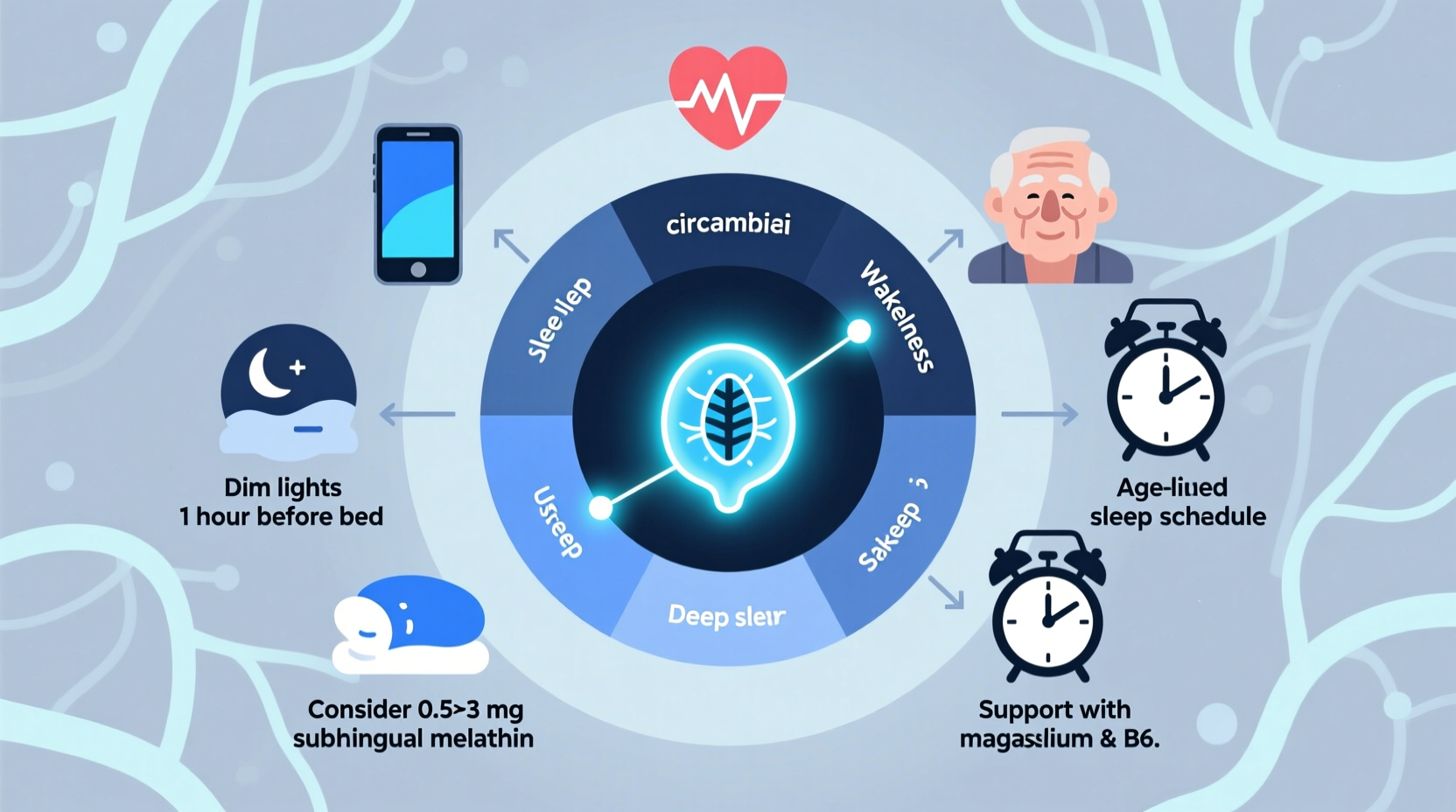
Melatonin is a hormone naturally produced by the pineal gland in response to darkness. It signals to your body that it’s time to wind down. Supplemental melatonin aims to support this process, especially when circadian rhythms are disrupted. However, several factors can interfere with its efficacy.
- Dosage mismatch: Many people take too much melatonin, sometimes up to 10 mg, when research shows that doses as low as 0.3–1 mg are often sufficient.
- Poor timing: Taking melatonin too early or too late disrupts its synchronization with your internal clock.
- Lifestyle interference: Blue light exposure, caffeine, and irregular sleep schedules can overpower melatonin’s effects.
- Tolerance or desensitization: Long-term use may reduce receptor sensitivity, making the body less responsive.
- Underlying sleep disorders: Conditions like sleep apnea, restless legs syndrome, or anxiety can prevent restful sleep regardless of melatonin intake.
Common Mistakes That Undermine Melatonin’s Effectiveness
Even with proper dosage and timing, daily habits can sabotage results. Consider these frequent missteps:
- Using melatonin as a quick fix without fixing sleep hygiene: No supplement can override chronic poor habits like scrolling in bed or inconsistent wake times.
- Consuming alcohol before bed: While alcohol may induce drowsiness, it fragments sleep architecture and reduces melatonin’s impact.
- Exposure to bright lights at night: Room lighting and screens suppress natural melatonin production, counteracting supplementation.
- Ignoring mental health factors: Stress, anxiety, and rumination keep the mind active, blocking sleep onset even if melatonin levels are high.
- Assuming more is better: High doses (5–10 mg) can cause grogginess, next-day fatigue, and paradoxically worsen sleep regulation.
Step-by-Step Guide to Fix Melatonin That Isn’t Working
If melatonin has stopped helping, follow this structured approach to restore its effectiveness or transition to better solutions.
- Pause melatonin use for 5–7 days: This resets receptor sensitivity and allows your body to re-establish natural production.
- Optimize sleep hygiene: Maintain a consistent sleep schedule, eliminate screens 1 hour before bed, and keep your bedroom cool and dark.
- Reintroduce melatonin at a lower dose: Begin with 0.5 mg, taken 60–90 minutes before desired bedtime.
- Track your response: Use a sleep journal or wearable device to monitor sleep latency, duration, and quality over two weeks.
- Adjust timing based on results: If you’re falling asleep too early, delay intake by 15–30 minutes. If too late, move it earlier.
- Evaluate need for long-term use: Limit regular use to short-term disruptions (jet lag, shift changes). For chronic insomnia, consult a specialist.
Do’s and Don’ts When Using Melatonin
| Do’s | Don’ts |
|---|---|
| Take 0.3–1 mg for most adults | Avoid doses above 3 mg unless under medical supervision |
| Use only when needed—e.g., jet lag, occasional insomnia | Don’t rely on it nightly for months |
| Combine with good sleep habits | Don’t use as a substitute for sleep hygiene |
| Choose third-party tested brands (NSF, USP) | Avoid gummies with added sugars and fillers |
| Take in dim light, away from screens | Don’t take immediately after using phones or tablets |
When Melatonin Fails: Expert Insights and Alternatives
Sleep medicine experts emphasize that melatonin is not a sedative—it’s a timing cue. If your body isn’t ready for sleep, melatonin won’t force it.
“Melatonin works best when aligned with circadian biology. People often misuse it like a sleeping pill, but it’s more like setting the clock.” — Dr. Rebecca Field, Sleep Neurologist, Harvard Medical School
For persistent sleep issues, consider evidence-based alternatives:
- Cognitive Behavioral Therapy for Insomnia (CBT-I): The gold standard for chronic insomnia, with long-term success rates surpassing medication.
- Light therapy: Morning exposure to bright light helps regulate melatonin release later in the day.
- Supplemental magnesium or glycine: These may promote relaxation and improve sleep quality without affecting circadian timing.
- Prescription options (short-term): For diagnosed disorders, doctors may recommend non-habit-forming medications like ramelteon, which targets melatonin receptors more precisely.
Real-Life Example: Sarah’s Journey Back to Restful Sleep
Sarah, a 38-year-old project manager, started taking 5 mg of melatonin nightly to cope with work-related stress. Initially, it helped her fall asleep faster. After six weeks, however, she noticed diminishing returns—she’d still lie awake, and mornings became groggy. Concerned, she consulted a sleep clinic.
The assessment revealed three key issues: her high dose was disrupting REM sleep, her habit of checking emails in bed suppressed natural melatonin, and her weekend “sleep-ins” were shifting her circadian rhythm. She paused melatonin, adopted a strict wind-down routine, and reintroduced 0.5 mg only on nights when travel disrupted her schedule. Within four weeks, her sleep efficiency improved by 32%, and she no longer relied on supplements.
Checklist: Is Your Melatonin Routine Effective?
- ☑ I use 0.5–1 mg, not higher unless advised by a doctor
- ☑ I take it 60–90 minutes before bed
- ☑ I avoid screens and bright lights after dose
- ☑ I maintain a consistent sleep-wake schedule, even on weekends
- ☑ I don’t use it more than 3–4 nights per week regularly
- ☑ I’ve ruled out sleep apnea or other medical causes of insomnia
- ☑ I prioritize sleep hygiene over supplements
Frequently Asked Questions
Can melatonin stop working over time?
Yes. Continuous use, especially at high doses, may lead to receptor downregulation, reducing effectiveness. Taking periodic breaks and using the lowest effective dose helps prevent tolerance.
Is it safe to take melatonin every night?
Short-term use (up to 2–3 months) is generally safe for most adults. Long-term nightly use lacks extensive research and may mask underlying issues. Consult a healthcare provider for chronic insomnia.
What should I do if melatonin gives me vivid dreams or grogginess?
This often indicates a dose that’s too high. Lower your dose to 0.3–0.5 mg and take it earlier—about 90 minutes before bed. Avoid formulations with added ingredients like valerian or chamomile if they cause side effects.
Conclusion: Reclaim Your Sleep With Smarter Strategies
Melatonin isn’t a magic bullet—but used wisely, it can be a valuable tool. The key lies in respecting your body’s natural rhythms, avoiding common pitfalls, and recognizing when to seek deeper solutions. Instead of chasing sleep with higher doses, focus on alignment: timing, environment, and behavior. Whether you adjust your current routine or transition to non-supplemental methods like CBT-I, sustainable sleep is within reach. Start tonight—your well-rested self will thank you.




 浙公网安备
33010002000092号
浙公网安备
33010002000092号 浙B2-20120091-4
Comments
No comments yet. Why don't you start the discussion?