
For decades, tampons have been the go-to menstrual product for millions of people seeking discretion and convenience during their periods. In recent years, however, menstrual cups have surged in popularity as a reusable, eco-friendly alternative. As more individuals consider switching, a critical question arises: which option is safer for long-term use? The answer isn't always straightforward, as it depends on personal physiology, lifestyle, and how each product is used. This article compares menstrual cups and tampons across multiple dimensions—health, safety, comfort, cost, and environmental impact—to help you make an informed decision about what’s best for your body over time.
Understanding the Basics: How They Work
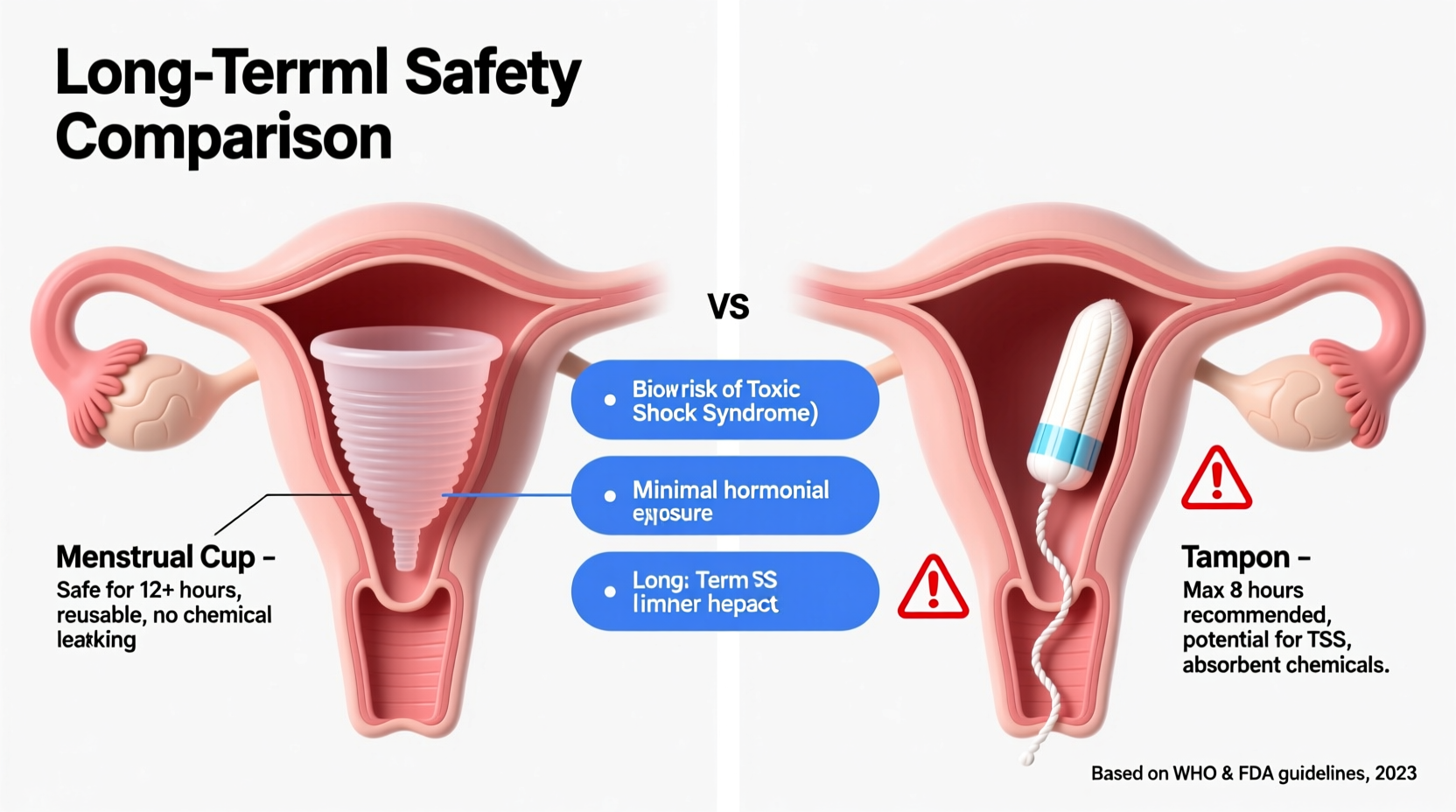
Tampons are absorbent cylinders made of cotton or rayon, inserted into the vagina to soak up menstrual fluid before it exits the body. They are typically changed every 4 to 8 hours and come in various absorbencies (light, regular, super, etc.). Because they absorb fluid, they must be replaced frequently to avoid complications like dryness or infection.
In contrast, menstrual cups are flexible, bell-shaped devices usually made from medical-grade silicone, latex rubber, or thermoplastic elastomer. Instead of absorbing blood, they collect it inside the vaginal canal. A properly fitted cup can be worn safely for up to 12 hours before being emptied, rinsed, and reinserted. After each cycle, the cup is sterilized—usually by boiling—and reused.
The fundamental difference—absorption versus collection—shapes not only user experience but also long-term safety profiles.
Health and Safety: What the Research Says
When evaluating long-term safety, two primary concerns emerge: risk of infection and impact on vaginal microbiome. Both products carry potential risks if misused, but the nature and frequency of those risks differ significantly.
Toxic Shock Syndrome (TSS)
One of the most serious risks associated with internal menstrual products is Toxic Shock Syndrome, a rare but life-threatening condition caused by bacterial toxins—most commonly from Staphylococcus aureus. TSS has historically been linked to high-absorbency tampons, especially when left in too long.
While TSS can occur with any internal device, including menstrual cups, research suggests that the risk is lower with cups when used correctly. A 2019 study published in The Lancet Public Health reviewed data from over 3,300 participants and found no significant difference in TSS incidence between cup and tampon users—but emphasized that improper use increases risk regardless of product type.
“TSS is not exclusive to tampons, but absorbency level and duration of wear are key factors. Menstrual cups may reduce some risks because they don’t absorb vaginal moisture, which helps maintain natural lubrication and pH balance.” — Dr. Sarah Thompson, Gynecologist and Women’s Health Researcher
Still, cases of TSS related to menstrual cups have been documented, particularly when users leave them in beyond 12 hours or fail to clean them properly between cycles.
Vaginal Microbiome and Dryness
The vagina maintains a delicate balance of beneficial bacteria, primarily lactobacilli, which help regulate pH and prevent infections like bacterial vaginosis or yeast overgrowth. Tampons, especially those made with synthetic materials or fragrances, can disrupt this environment by absorbing not just blood but also protective mucus and moisture.
Repeated dryness from tampon use—particularly at the end of a cycle when flow is light—can lead to microtears in the vaginal wall, increasing susceptibility to irritation and infection over time. Some studies suggest chronic tampon use may contribute to low-grade inflammation or recurrent discomfort in sensitive individuals.
Menstrual cups, by contrast, do not absorb fluids. They create a seal and collect menstrual blood without disturbing the vaginal lining. This makes them less likely to cause dryness or alter the microbiome. However, improper cleaning or allergic reactions to cup materials (e.g., latex sensitivity) can still pose issues.
Long-Term Comfort and Practicality
Safety isn’t just about disease prevention—it also includes physical comfort and ease of use over years of monthly cycles.
Ease of Use and Learning Curve
Tampons are widely familiar and often easier for beginners. Most users learn insertion techniques quickly, especially with applicators. However, applicator tampons generate more waste and may contain plastic components.
Menstrual cups require a steeper learning curve. Insertion and removal take practice, and finding the right size and firmness is crucial. A cup that’s too large or too firm can press against the bladder or cervix, causing discomfort or urinary urgency. Conversely, one that’s too soft may not open fully and leak.
Once mastered, many users report greater comfort with cups. Since they don’t absorb moisture, there’s no scratchy feeling during removal, and they’re less likely to cause friction-related irritation.
Leakage and Capacity
Cups generally hold more fluid than even super-absorbency tampons. A typical cup holds 20–30 ml, compared to 10–18 ml for a super tampon. This means fewer changes per day and reduced risk of overflow—especially helpful for heavy-flow days or overnight protection.
However, leakage can occur with cups if they’re not positioned correctly or if the seal breaks due to movement or anatomical shifts during the cycle. Users often need to experiment with folding techniques (C-fold, punch-down fold) and insertion angles to achieve a secure fit.
Lifestyle Considerations
For athletes, travelers, or those with limited bathroom access, the 12-hour wear time of a menstrual cup offers significant advantages. Swimmers, hikers, and frequent flyers often prefer cups because they eliminate the need to carry multiple disposables or find disposal bins.
On the other hand, tampons remain more socially accepted and accessible in public restrooms, schools, and workplaces. Not everyone feels comfortable emptying and rinsing a cup in a shared bathroom, which can affect consistency of use.
Environmental and Economic Impact Over Time
While not directly tied to physical safety, long-term sustainability affects overall well-being—both personal and planetary.
| Factor | Menstrual Cup | Tampons |
|---|---|---|
| Lifespan | 5–10 years (reusable) | Single-use only |
| Monthly Cost (Avg.) | $0 after initial purchase (~$25–$40) | $7–$10 per month |
| Waste Generated (per decade) | Nearly zero | Approx. 3,000 disposable products |
| Carbon Footprint | Very low after first year | High (manufacturing, transport, disposal) |
Over ten years, a person using tampons could spend $1,000 or more and generate thousands of pieces of non-biodegradable waste. Many tampons contain plastic applicators and synthetic fibers that take centuries to decompose. Menstrual cups, made from durable medical-grade silicone, drastically reduce both financial burden and environmental strain.
“Switching to a menstrual cup paid for itself within six months. Now I don’t stress about running out before my period starts, and I feel better knowing I’m not adding to landfill waste.” — Lena M., educator and long-time cup user
Real-World Experience: A Mini Case Study
Jessica, a 32-year-old nurse, used tampons exclusively for 15 years. She experienced recurring mild yeast infections and occasional discomfort, especially toward the end of her cycle. After reading about menstrual cups, she decided to try one despite initial hesitation about handling blood during emptying.
Her first few cycles were challenging—she struggled with leakage and removal. But after watching tutorials and trying different folds, she found a rhythm. By the third month, she was confident and comfortable. Over the next year, she noticed fewer infections, no more dryness, and saved nearly $120 annually.
“I wish I’d known sooner,” Jessica says. “It wasn’t easy at first, but now I can’t imagine going back. My body feels healthier, and I’m not constantly buying supplies.”
Her experience reflects a common pattern: initial resistance followed by strong satisfaction once the learning phase passes.
Expert Recommendations for Long-Term Use
- Choose body-safe materials: Opt for tampons made from 100% organic cotton without fragrances or chlorine bleaching. For cups, ensure they are labeled medical-grade silicone and free from phthalates or dyes.
- Follow wear-time guidelines: Never exceed 8 hours for tampons or 12 for cups. Set phone reminders if needed.
- Alternate products if necessary: Some users combine methods—using cups during the day and pads at night, or switching to pads during very light flow to avoid dryness.
- Monitor for changes: Pay attention to unusual odor, itching, or discomfort, which could signal infection or irritation unrelated to the product itself.
Checklist: Safe Long-Term Use Practices
- Wash hands thoroughly before inserting or removing any internal product.
- Change tampons every 4–8 hours; empty cups every 8–12 hours.
- Boil your menstrual cup for 5–10 minutes between cycles.
- Avoid scented tampons, sprays, or wipes that disrupt vaginal pH.
- Consult a healthcare provider if you experience pain, recurrent infections, or difficulty using either product.
Frequently Asked Questions
Can menstrual cups damage the pelvic floor?
No evidence suggests that proper use of menstrual cups weakens or damages pelvic floor muscles. In fact, because they don’t require constant tension during removal (unlike tampons with strings), they may place less strain on sensitive tissues. However, excessive bearing down during removal could contribute to pressure over time—gentle technique is key.
Are menstrual cups safe for people with IUDs?
Yes, but caution is advised. Some gynecologists recommend waiting 6 weeks after IUD insertion before using a cup. When removing the cup, break the seal first by pinching the base to avoid creating suction that could dislodge the IUD. Regular check-ups to confirm IUD placement are recommended.
Do tampons increase the risk of infertility?
There is no scientific evidence linking tampon use to infertility. However, untreated infections resulting from poor hygiene (e.g., leaving a tampon in for days) could potentially lead to pelvic inflammatory disease, which may affect fertility. Proper usage minimizes such risks.
Conclusion: Making the Safest Long-Term Choice
When comparing menstrual cups and tampons for long-term safety, the evidence leans in favor of menstrual cups—provided they are used correctly. Their non-absorbent design preserves vaginal moisture and microbiome balance, reduces waste-related stress on the environment, and lowers lifetime exposure to synthetic materials. While tampons remain a convenient and widely accepted option, their association with dryness, microtears, and higher TSS risk (especially with high-absorbency versions) makes them less ideal for sustained daily use over decades.
Ultimately, the safest choice is the one that aligns with your body, lifestyle, and values. Whether you choose a cup, tampons, or a hybrid approach, prioritizing hygiene, material quality, and consistent care will protect your reproductive health far into the future.




 浙公网安备
33010002000092号
浙公网安备
33010002000092号 浙B2-20120091-4
Comments
No comments yet. Why don't you start the discussion?