
Sustained focus at work doesn’t just depend on motivation or task management—it’s deeply influenced by physical comfort. When you're seated for hours, subtle discomfort can escalate into distraction, fatigue, and reduced productivity. Two popular solutions dominate the ergonomic workspace conversation: mesh office chairs and memory foam seat cushions. But which one actually helps you stay focused longer? The answer isn't universal—it depends on your body, work habits, and environment. This article breaks down both options with practical insights, real-world examples, and expert-backed recommendations to help you make an informed decision.
The Role of Seating in Cognitive Performance
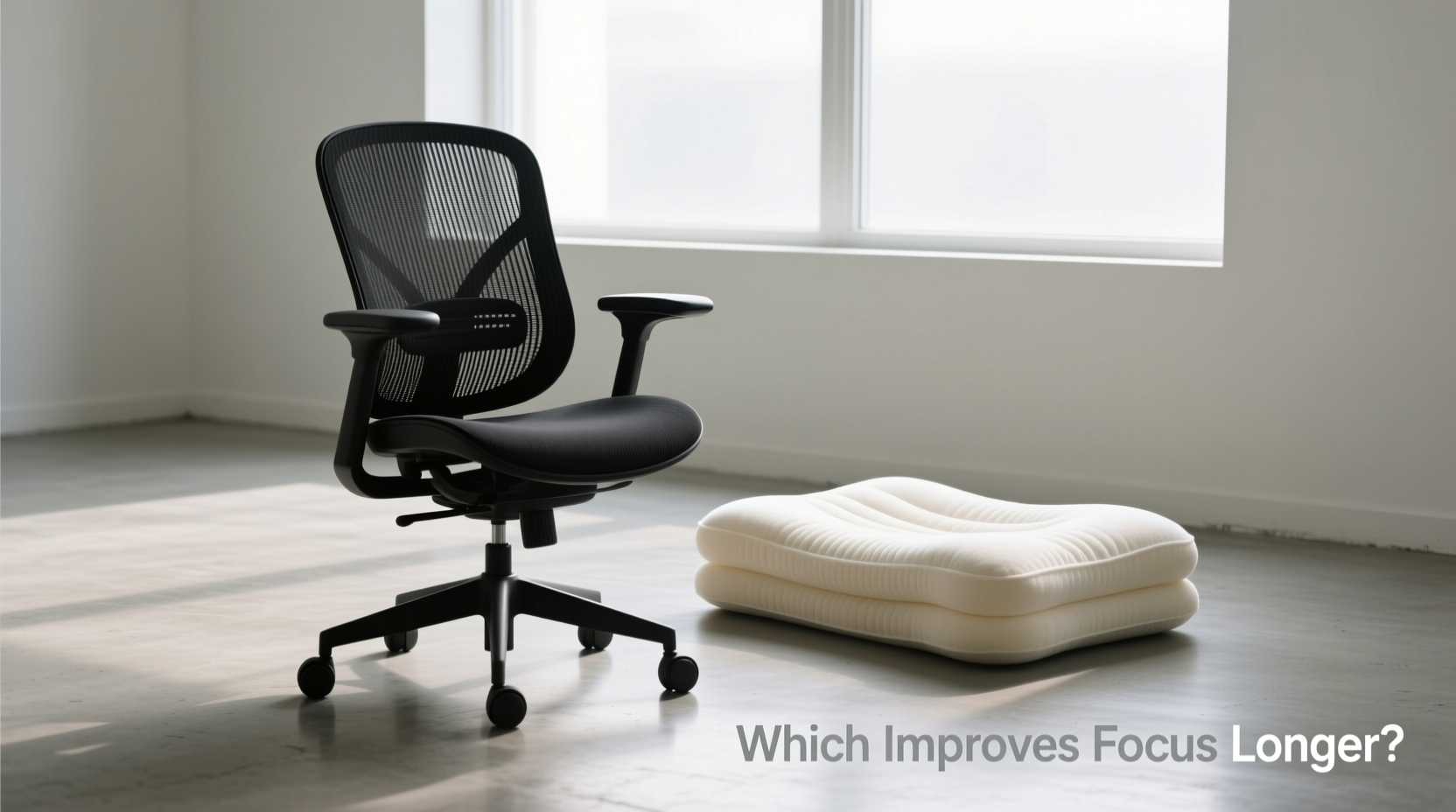
Posture and pressure distribution directly impact blood flow, muscle tension, and spinal alignment—all of which influence mental clarity. Poor seating leads to micro-movements, fidgeting, and subconscious discomfort that pull attention away from tasks. According to a 2023 study published in *Ergonomics and Human Factors*, workers using ergonomically optimized seating reported a 27% increase in sustained concentration during cognitively demanding tasks compared to those in standard chairs.
The ideal seating solution supports neutral posture—where the spine maintains its natural S-curve, hips are slightly higher than knees, and weight is evenly distributed. Both mesh chairs and memory foam cushions aim to achieve this, but they do so through different mechanisms.
How Mesh Office Chairs Enhance Focus
Mechanically engineered for breathability and dynamic support, high-quality mesh office chairs have become staples in modern offices. Their signature feature—a taut, flexible mesh backrest—offers targeted lumbar support while allowing air circulation, reducing heat buildup that contributes to restlessness.
Beyond the backrest, many premium models include adjustable armrests, seat depth controls, and synchronized tilt mechanisms that encourage movement. This adjustability is crucial. As Dr. Lena Torres, an occupational physiotherapist, explains:
“Movement is not the enemy of focus—it’s its ally. A chair that allows controlled recline and pelvic tilt reduces static loading on the spine, which in turn delays mental fatigue.” — Dr. Lena Torres, PhD, Occupational Ergonomics Research Lab, University of Toronto
Mesh chairs also tend to have firmer seat pans, preventing the \"sinking in\" effect that can compress thigh muscles and restrict circulation. This firmness promotes alertness over long periods, especially for users who shift positions frequently.
Memory Foam Seat Cushions: Comfort That Can Backfire
Memory foam cushions appeal to those stuck with subpar office furniture. They conform precisely to the user’s shape, distributing weight evenly and relieving pressure points—especially beneficial for people with tailbone pain or sciatica.
However, this very conformity presents a challenge. Memory foam responds slowly to movement and retains heat. After 60–90 minutes of sitting, the cushion can feel like a warm, immovable cradle. While initially cozy, this lack of feedback may encourage slouching and passive sitting, both of which degrade posture and alertness over time.
A 2022 workplace trial at a software development firm found that employees using memory foam cushions reported higher initial comfort scores but were more likely to report mid-afternoon drowsiness and lower task-switching efficiency compared to those using mesh chairs.
Additionally, memory foam degrades with prolonged compression and heat exposure. Most quality cushions last 18–24 months under daily use before losing their supportive properties—after which they offer little more than a padded surface.
Direct Comparison: Key Features Side-by-Side
| Feature | Mesh Office Chair | Memory Foam Seat Cushion |
|---|---|---|
| Support Type | Dynamic, responsive (adjusts with movement) | Static, contouring (molds to body) |
| Breathability | High (air-permeable mesh) | Low (traps heat, especially in dense foam) |
| Lumbar Support | Integrated, often adjustable | None (unless combined with back support) |
| Circulation Impact | Promotes blood flow (firm seat pan) | May restrict if too soft or thick |
| Durability | 5–10 years with proper care | 1.5–3 years depending on use |
| Mobility | Fixed to chair; requires full setup | Portable; easily transferred between seats |
| Best For | Full-time desk workers, hot climates, active sitters | Short-term relief, older chairs, occasional use |
Real-World Case: Remote Worker Transforms Her Setup
Sophie K., a technical writer based in Austin, spent two years working from her dining table on a wooden chair with a thin pad. She experienced frequent lower back pain and struggled to focus past midday. After researching ergonomic solutions, she tested two approaches over six weeks each.
First, she added a 4-inch memory foam cushion to her existing chair. Initial comfort improved dramatically—she could sit longer without immediate discomfort. However, by week five, she noticed increased afternoon fatigue and difficulty maintaining upright posture. Her productivity logs showed a 15% drop in output during late-day writing sessions.
Next, she invested in a mid-range mesh office chair with adjustable lumbar support and seat depth. The first few days required adjustment—she had to consciously use the tilt function and avoid slumping. By week three, her posture stabilized, and she reported feeling “more awake” during long editing tasks. Her focus duration increased from an average of 68 minutes to 103 minutes per session, measured via time-tracking software.
Sophie concluded: “The memory foam felt like a quick fix, but the mesh chair taught me how to sit properly. It wasn’t just about comfort—it was about staying engaged.”
When to Choose Each Option: A Practical Decision Guide
Selecting between a mesh chair and a memory foam cushion shouldn’t be based on marketing claims alone. Consider these factors:
- Work Duration: If you sit more than four hours daily, a mesh chair is the better long-term investment. Cushions are suitable for intermittent use or supplemental support.
- Existing Furniture: If your current chair has good structure but lacks comfort, a high-density memory foam cushion (with cooling gel layer) can extend its usability.
- Climate: In warm or humid environments, mesh excels due to airflow. Foam tends to trap heat, increasing discomfort over time.
- Mobility Needs: For hybrid workers moving between home and office, a portable cushion offers flexibility. Mesh chairs are less adaptable.
- Physical Conditions: People with coccydynia (tailbone pain) may benefit from donut-shaped memory foam cushions temporarily. Chronic back issues require comprehensive support best delivered by an ergonomic chair.
Action Checklist: Optimizing Your Seating for Focus
- ✅ Assess your daily sitting duration and typical posture shifts.
- ✅ Measure your current chair’s seat depth and height—ensure feet rest flat on the floor.
- ✅ Test a mesh chair in person if possible, focusing on lumbar fit and seat firmness.
- ✅ If using a cushion, choose open-cell foam with gel infusion for better heat dissipation.
- ✅ Set a reminder to stand or stretch every 30–45 minutes, regardless of seating choice.
- ✅ Combine seating with a monitor at eye level and wrists in neutral position for full ergonomics.
Expert Insight: Why Movement Matters More Than Softness
Dr. Rajiv Mehta, a biomechanics researcher at Stanford, emphasizes that comfort should not be equated with softness:
“The brain interprets prolonged stillness as low threat, which triggers drowsiness. An effective workspace encourages micro-movements—pelvic rocking, slight reclines, weight shifts. Mesh chairs with synchro-tilt mechanisms facilitate this. Memory foam, by contrast, dampens movement, which can dull alertness over time.” — Dr. Rajiv Mehta, Biomechanics & Posture Lab, Stanford University
This insight reframes the goal: we’re not seeking maximum relaxation, but sustainable engagement. The best seating keeps the body subtly active, supporting both physical endurance and cognitive stamina.
Frequently Asked Questions
Can I use a memory foam cushion on a mesh chair?
Yes, but it’s generally unnecessary and may reduce the chair’s benefits. Mesh chairs already provide balanced support. Adding foam can negate breathability and create excessive softness, leading to poor posture. Only consider it if you have specific pressure point issues and test it briefly.
Do mesh chairs wear out faster than foam?
No. High-quality mesh (like Lycra-weave or elastomeric suspension) lasts 7+ years under normal use. Lower-end models may sag after 3–4 years. Memory foam typically degrades sooner due to heat and compression, especially in warmer climates.
Which option is better for lower back pain?
A properly adjusted mesh chair with lumbar support addresses the root cause—poor spinal alignment. Memory foam cushions only address seat-level discomfort and do nothing for back support unless paired with additional aids. For chronic pain, a full ergonomic chair is strongly recommended.
Final Recommendation: Invest in Structure, Not Just Softness
If your goal is to maintain focus for longer periods, a well-designed mesh office chair is the superior choice for most full-time desk workers. It supports dynamic sitting, regulates temperature, and promotes postural awareness—key ingredients for sustained mental performance. Memory foam cushions have their place, particularly as temporary fixes or mobility aids, but they lack the structural intelligence needed for long-term cognitive endurance.
Ultimately, seating is not just about comfort—it’s about enabling your body to support your mind. Prioritize adjustability, breathability, and active support over plushness. The slight firmness of a mesh seat may feel less indulgent at first, but it pays dividends in alertness, endurance, and deep work capacity.




 浙公网安备
33010002000092号
浙公网安备
33010002000092号 浙B2-20120091-4
Comments
No comments yet. Why don't you start the discussion?