
When selecting a pair of high heels, most shoppers focus on heel height, brand, or color. But the material—often overlooked—plays a critical role in both comfort and long-term style. Two increasingly popular options are mesh and suede, each offering distinct advantages and drawbacks. While mesh delivers breathability and modern flair, suede provides timeless elegance and softness. The question isn't just about aesthetics—it's whether the choice of material truly impacts how your feet feel after hours of wear and how versatile the shoes are in your wardrobe.
Understanding the functional and stylistic differences between mesh and suede high heels can help you make smarter footwear decisions, especially if you're balancing fashion with all-day wearability.
Breathability and Climate Suitability
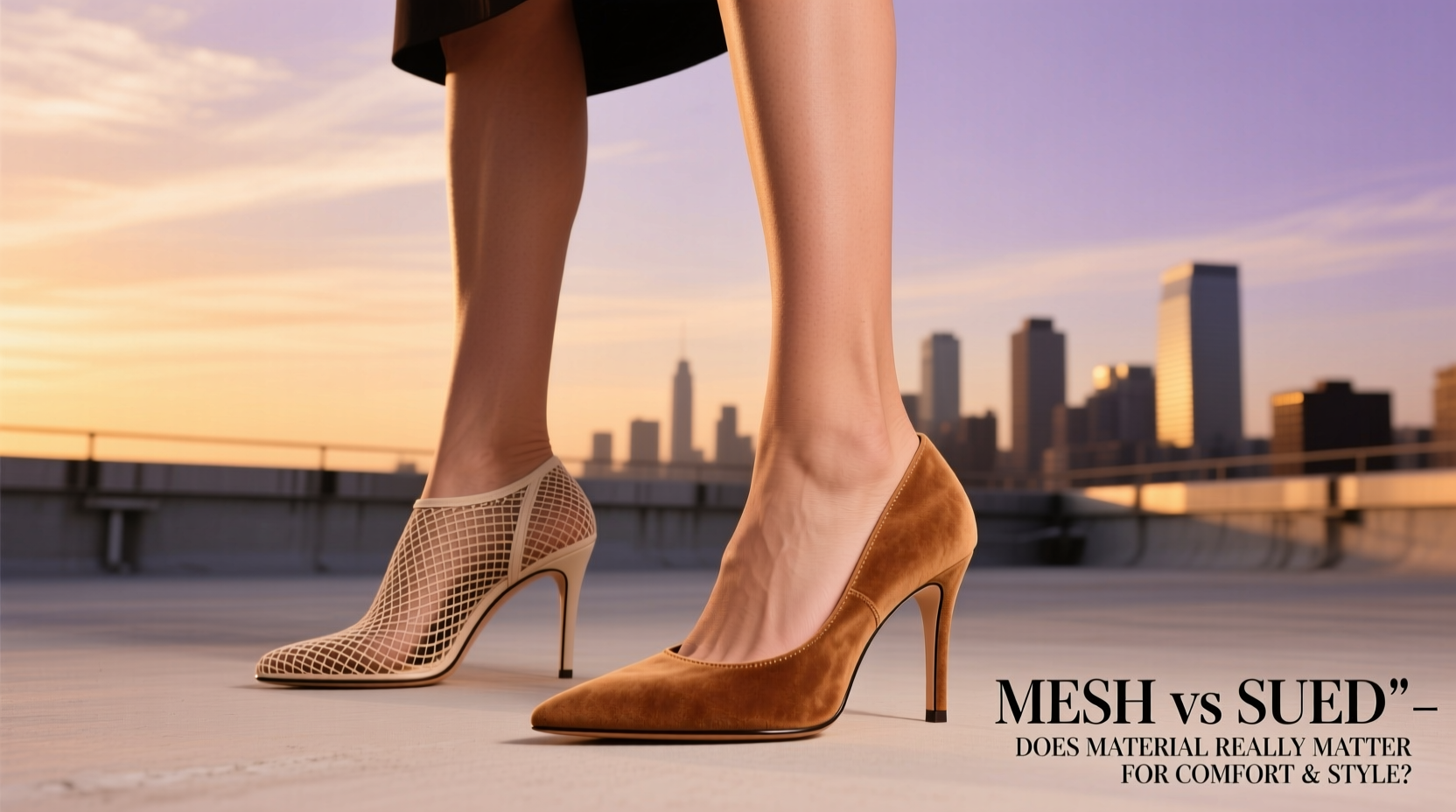
Mechanically, mesh is engineered to allow airflow. It’s typically made from synthetic textiles like polyester or nylon woven into an open-grid structure that promotes ventilation. This makes mesh high heels ideal for warm climates, summer events, or any situation where foot perspiration could be an issue. Because air circulates freely, mesh reduces moisture buildup, minimizing odor and discomfort during extended wear.
In contrast, suede—a type of leather with a napped finish—offers minimal breathability. Although natural leather does allow some air transfer, the brushed surface traps heat more than smooth leathers or technical fabrics. As a result, suede heels can feel warmer and may become uncomfortable in humid conditions or during prolonged use.
That said, suede performs better in cooler weather. Its texture adds warmth and pairs naturally with fall and winter wardrobes. Mesh, while airy, can feel too light or flimsy in colder months unless paired with tights or socks.
Durability and Maintenance Challenges
Durability is where the two materials diverge significantly. Mesh, despite its functional benefits, is inherently less durable than suede. The open weave is susceptible to snagging, fraying, or tearing—especially around stress points like the toe box or ankle strap. Exposure to rain or spills can also degrade the fabric over time, particularly if not treated with a protective spray.
Suede, though delicate in appearance, is generally more resilient under normal conditions. Made from the underside of animal hides (usually cow, lamb, or goat), it has natural strength and flexibility. However, suede is highly vulnerable to water damage and staining. Without proper care, a spilled drink or sudden downpour can ruin a pair permanently.
“Suede requires proactive maintenance. One unprepared rainstorm can compromise the entire shoe.” — Lena Torres, Footwear Care Specialist at SoleGuard Labs
To maintain mesh heels, spot cleaning with mild soap and air drying is usually sufficient. Avoid machine washing, as agitation can distort the shape. Suede demands more effort: brushing with a specialized suede brush, using erasers for scuffs, and applying waterproofing sprays before first wear are essential steps.
Comfort and Fit: Inside the Shoe
Comfort isn’t just about cushioning—it’s about how the upper material interacts with your foot’s movement and sensitivity. Mesh tends to be lightweight and flexible, conforming to the foot without causing friction. This adaptability reduces pressure points, making mesh heels a strong contender for standing or walking-intensive occasions.
Suede, while soft to the touch, can initially feel stiffer and may require a break-in period. Once worn in, it molds slightly to the foot, but tight-fitting suede heels can cause rubbing or blisters before they adjust. Linings play a major role here: many high-end suede heels include padded insoles or leather linings to offset stiffness, whereas budget mesh styles sometimes lack adequate internal support.
Another factor is stretch. Suede has slight give over time, which can improve fit but may lead to looseness if the shoe was borderline tight at purchase. Mesh doesn’t stretch much, so getting the correct size upfront is crucial.
Material Comparison Table
| Feature | Mesh High Heels | Suede High Heels |
|---|---|---|
| Breathability | Excellent – ideal for warm weather | Fair – retains heat, less ventilated |
| Durability | Moderate – prone to snags and tears | Good – strong but sensitive to moisture |
| Comfort (Initial) | High – flexible and lightweight | Moderate – may need break-in period |
| Maintenance | Low – easy to clean, low upkeep | High – requires brushing, protectants, careful storage |
| Style Versatility | Limited – best for casual or trendy looks | High – works with formal, smart-casual, seasonal outfits |
| Weather Resistance | Poor when wet – absorbs moisture | Poor when wet – stains easily, loses texture |
Styling: When Each Material Shines
Mesh heels have carved a niche in contemporary fashion due to their sport-luxury appeal. Designers often use mesh in cut-out styles, strappy sandals, or architectural stilettos to create visual interest and a sense of lightness. They pair well with minimalist dresses, cropped pants, or athleisure-inspired ensembles. However, mesh can appear too casual or insubstantial for formal events like weddings or business galas.
Suede remains a staple in elevated wardrobes. Its rich texture adds depth and sophistication, making it suitable for evening wear, office settings (with tailored pieces), and transitional seasons. Neutral suede tones—like taupe, charcoal, or chocolate—blend seamlessly across outfits. Bold colors in suede also make striking statements without looking flashy.
The key is context. A sheer mesh heel might elevate a rooftop party look, while a pointed suede pump anchors a wool coat and pencil skirt combo effortlessly.
Real-World Example: Office to Evening Transition
Consider Maria, a marketing executive who attends back-to-back meetings before heading to a client dinner. She opts for almond-toe suede heels in navy—they’re polished enough for the boardroom and stylish for a restaurant setting. On a hotter day, she switches to mesh block heels with a supportive ankle strap. Though less formal, they keep her feet cool during a crowded train commute and don’t leave her limping by evening. Her experience shows that material choice directly affects both professionalism and physical endurance.
Care Checklist: Extending the Life of Your Heels
- For Mesh Heels: Wipe down after wear, store in a dust bag, avoid exposure to sharp objects.
- For Suede Heels: Brush weekly, apply protector spray before first use, store away from sunlight and humidity.
- Rotate your heels to prevent material fatigue.
- Use heel caps or guards to minimize sole wear, regardless of upper material.
- Never air-dry suede near direct heat—use a shoe tree and let it dry slowly indoors.
FAQ
Can I wear mesh heels in the rain?
It’s not recommended. Most mesh materials absorb water quickly and take time to dry, increasing the risk of odor and structural weakening. If caught in light rain, wipe them immediately and let them air dry at room temperature—never near a heater.
Are suede heels worth the maintenance?
Yes, if you value timeless style and plan to wear them regularly in dry conditions. High-quality suede heels often use reinforced construction and can last years with proper care. For occasional wear or sentimental purchases, the upkeep is justified by their aesthetic payoff.
Do mesh heels look cheap?
Not necessarily. Designer brands use premium mesh with structured reinforcements to maintain shape and luxury perception. Look for mesh integrated with leather accents or sturdy hardware to avoid a bargain-bin appearance.
Final Thoughts: Material Matters More Than You Think
Choosing between mesh and suede high heels isn’t just a matter of trend or personal taste—it’s a decision that influences comfort, longevity, and styling potential. Mesh excels in breathability and modern design but sacrifices durability and formality. Suede offers elegance and versatility but demands careful maintenance and weather awareness.
The most practical approach is to own both—strategic additions to a balanced shoe collection. Use mesh for warm days, casual outings, or fashion-forward moments. Reserve suede for polished environments, cooler months, or occasions where texture and refinement elevate your look.




 浙公网安备
33010002000092号
浙公网安备
33010002000092号 浙B2-20120091-4
Comments
No comments yet. Why don't you start the discussion?