
It’s not just about carrying your laptop, notebook, and lunch. The bag you choose speaks before you do—quietly signaling your priorities, professionalism, and personal style. In a world where first impressions are often made in seconds, the right bag can say, “I’ve got this,” without a single word. But between the structured elegance of a leather briefcase and the relaxed utility of a messenger bag, which one actually projects competence without looking like you're overcompensating?
The answer isn’t universal. It depends on context: your profession, lifestyle, aesthetic preferences, and even how much effort you’re willing to put into maintenance. But with the right choice, you can appear effortlessly composed—like someone who didn’t try too hard, but still managed to get it right.
The Image Each Bag Projects
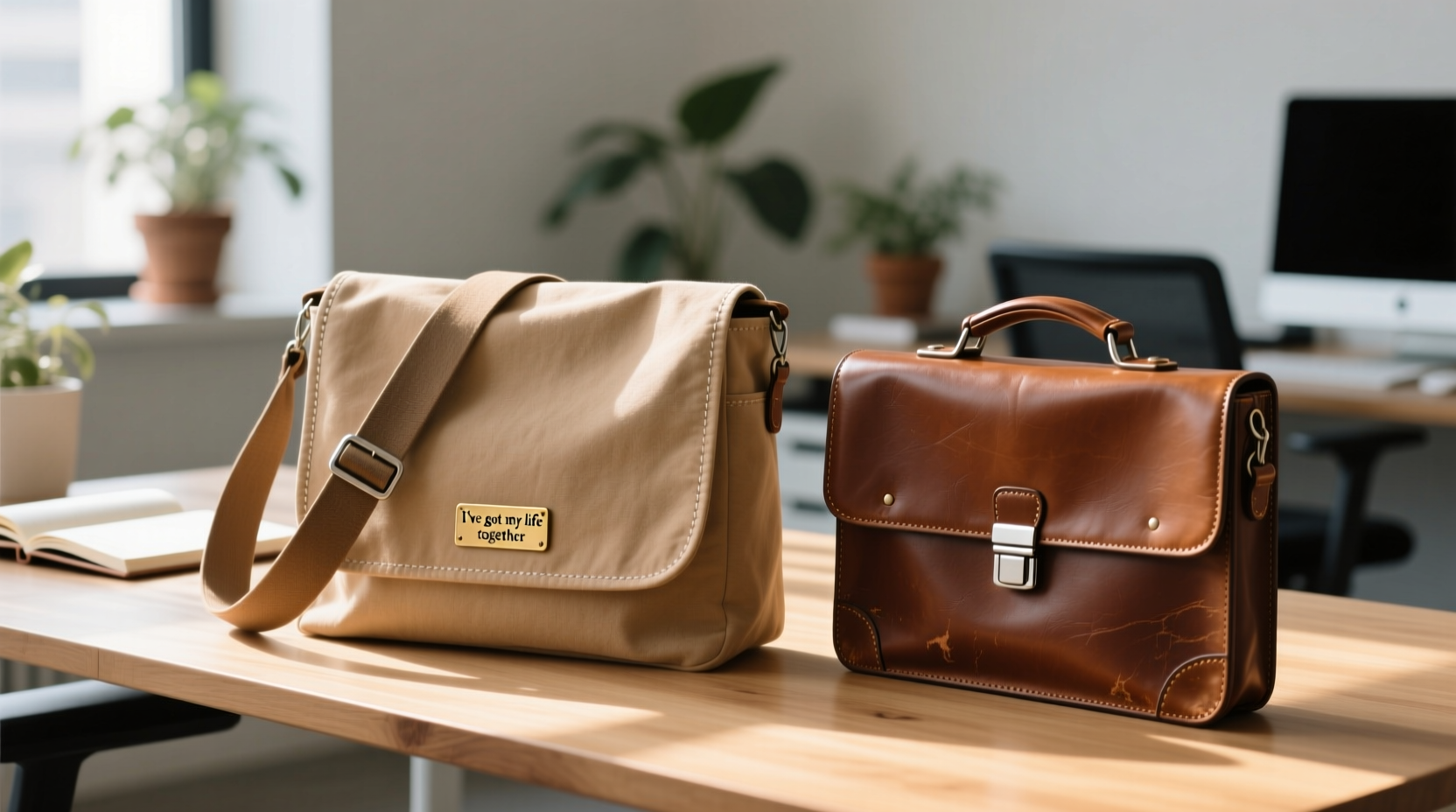
A briefcase has long been associated with authority. Think boardrooms, courtrooms, and corner offices. Its rigid structure, polished leather, and symmetrical lines suggest order, tradition, and control. When you carry a well-made briefcase, people tend to assume you’re prepared, detail-oriented, and serious about your work.
In contrast, a messenger bag leans toward creative pragmatism. Originally designed for couriers, it evolved into a staple for designers, developers, and urban professionals who value mobility and ease. It’s less formal, more adaptable. A high-quality messenger doesn’t scream “executive”—it whispers, “I know what I’m doing, and I move efficiently.”
So which projects confidence without seeming stiff or performative? The messenger bag, when chosen thoughtfully, strikes that balance more naturally. But only if executed correctly.
Functionality vs. Formality: Where They Stand
| Feature | Messenger Bag | Briefcase |
|---|---|---|
| Comfort & Mobility | High – worn crossbody, frees hands | Low – carried by handle, can strain shoulder |
| Professional Appearance | Context-dependent – can be sharp or casual | Consistently formal and authoritative |
| Organization | Varies – modern versions have smart compartments | Typically excellent – dedicated slots and structure |
| Durability | High – built for daily wear and weather | Moderate – leather ages well but is less rugged |
| Style Flexibility | High – works with jeans, blazers, or workwear | Low – best paired with suits or formal attire |
The messenger bag wins in versatility. It adapts to coffee meetings, co-working spaces, client visits, and weekend errands. A briefcase, while powerful in certain settings, often feels out of place outside traditional office environments. If your days involve movement—walking, transit, shifting locations—the messenger supports that rhythm without sacrificing credibility.
When the Briefcase Still Matters
There are moments when only a briefcase will do. Legal professionals, finance executives, or anyone in highly formal industries benefit from its symbolic weight. As Julian Hartwell, a corporate image consultant with over 15 years of experience, puts it:
“Clients don’t just buy your service—they buy your certainty. A briefcase is armor. It tells them you respect the gravity of the situation.” — Julian Hartwell, Executive Image Advisor
But outside those contexts, a briefcase can seem outdated or overly rigid. It risks projecting rigidity rather than readiness—especially if it’s oversized or poorly maintained.
The Sweet Spot: A Refined Messenger Bag
The ideal messenger bag for the “got my life together” effect combines craftsmanship with understatement. Look for:
- Full-grain or vegetable-tanned leather (ages beautifully)
- Minimal branding or visible logos
- Thoughtful internal organization (laptop sleeve, pen loops, zip pockets)
- Adjustable strap with padding for comfort
- Water-resistant finish or waxed canvas options
Brands like Bellroy, Fjällräven, and Porter Yoshida offer designs that bridge the gap between professional polish and everyday practicality. These aren’t tactical backpacks disguised as work bags—they’re intentional tools for people who value both form and function.
Mini Case Study: Alex, Freelance UX Designer
Alex spent years shuttling between cafes and client offices with a black nylon backpack covered in patches. Smart, capable, but his gear undercut his credibility. After landing a contract with a major design firm, he switched to a slim, chestnut-brown leather messenger from a small artisan brand. No logo. Just clean lines and quality hardware.
Within weeks, clients started referring to him as “the lead designer” instead of “the freelancer.” He hadn’t changed his work—but his presentation had. The bag didn’t make him competent; it stopped contradicting it.
How to Choose Based on Your Lifestyle
Your bag should reflect how you live, not how you wish you lived. Consider these scenarios:
- You work remotely and meet clients in casual spaces – Messenger bag. Prioritize comfort and aesthetic cohesion with your wardrobe.
- You’re in law, finance, or consulting – Lean toward a briefcase for formal meetings, but keep a premium messenger for hybrid days.
- You commute daily via bike or public transit – Messenger wins. Security, accessibility, and weather resistance matter more than formality.
- You want one bag that does everything – Modern hybrid messengers (like those with briefcase-inspired interiors) offer the best of both worlds.
Checklist: Picking the Right Bag for Effortless Credibility
- ✅ Does it fit your daily essentials without bulging?
- ✅ Is the material durable and age-appropriate (not flimsy or overly shiny)?
- ✅ Does it complement your most-worn outfits?
- ✅ Can you access your phone/laptop without unfolding half the bag?
- ✅ Does it look better after a year, not worse?
- ✅ Would you feel confident walking into a pitch meeting with it?
Care and Longevity: How Your Bag Ages Matters
A bag that looks cared for signals self-respect. Leather develops a patina; canvas fades gracefully. But stains, broken zippers, or frayed straps suggest neglect. A briefcase left in the rain or a dusty closet loses its power fast. A messenger tossed under a desk every night won’t last.
Simple habits extend lifespan and maintain presence:
- Wipe down leather monthly with a damp cloth and conditioner
- Empty and air out weekly to prevent odor and mildew
- Store upright or stuffed to retain shape
- Replace worn hardware before it fails
“People notice condition more than cost. A $200 well-kept bag beats a $1,000 neglected one.” — Lena Park, Wardrobe Stylist for Tech Executives
FAQ
Can I use a messenger bag in a corporate job?
Yes—especially in hybrid, creative, or tech-forward roles. Choose a structured, leather model in neutral tones. Avoid oversized or sporty designs.
Is a briefcase outdated?
Not inherently. In traditional fields (law, banking, government), it remains a symbol of seriousness. However, younger firms and startups may perceive it as inflexible. Context is key.
What color bag makes the strongest impression?
Dark brown or oxblood leather offers warmth and professionalism. Black is classic but can feel severe. Navy or charcoal gray canvas provides a modern alternative. Avoid bright colors or patterns unless they align with your personal brand.
Conclusion
The messenger bag, when selected with intention, says you’ve got your life together without trying too hard. It balances capability with approachability, utility with taste. It doesn’t demand respect—it earns it through consistency, quality, and quiet confidence.
A briefcase commands the room, but the messenger moves through it—adapting, enduring, and evolving with you. In today’s fluid professional landscape, that’s often the smarter, more authentic statement.




 浙公网安备
33010002000092号
浙公网安备
33010002000092号 浙B2-20120091-4
Comments
No comments yet. Why don't you start the discussion?