
When it comes to fine jewelry, subtle design choices can dramatically influence perceived value. Among the most debated features in bracelet craftsmanship is the choice between micro inlaid (also known as micro pave) and prong settings. Both techniques elevate gemstone presentation, but they differ in visual impact, durability, and sophistication. For buyers seeking a piece that radiates luxury without shouting for attention, understanding these differences is essential. The question isn’t just about personal taste—it’s about which setting delivers a more refined, high-end aesthetic.
The Visual Language of Luxury Jewelry
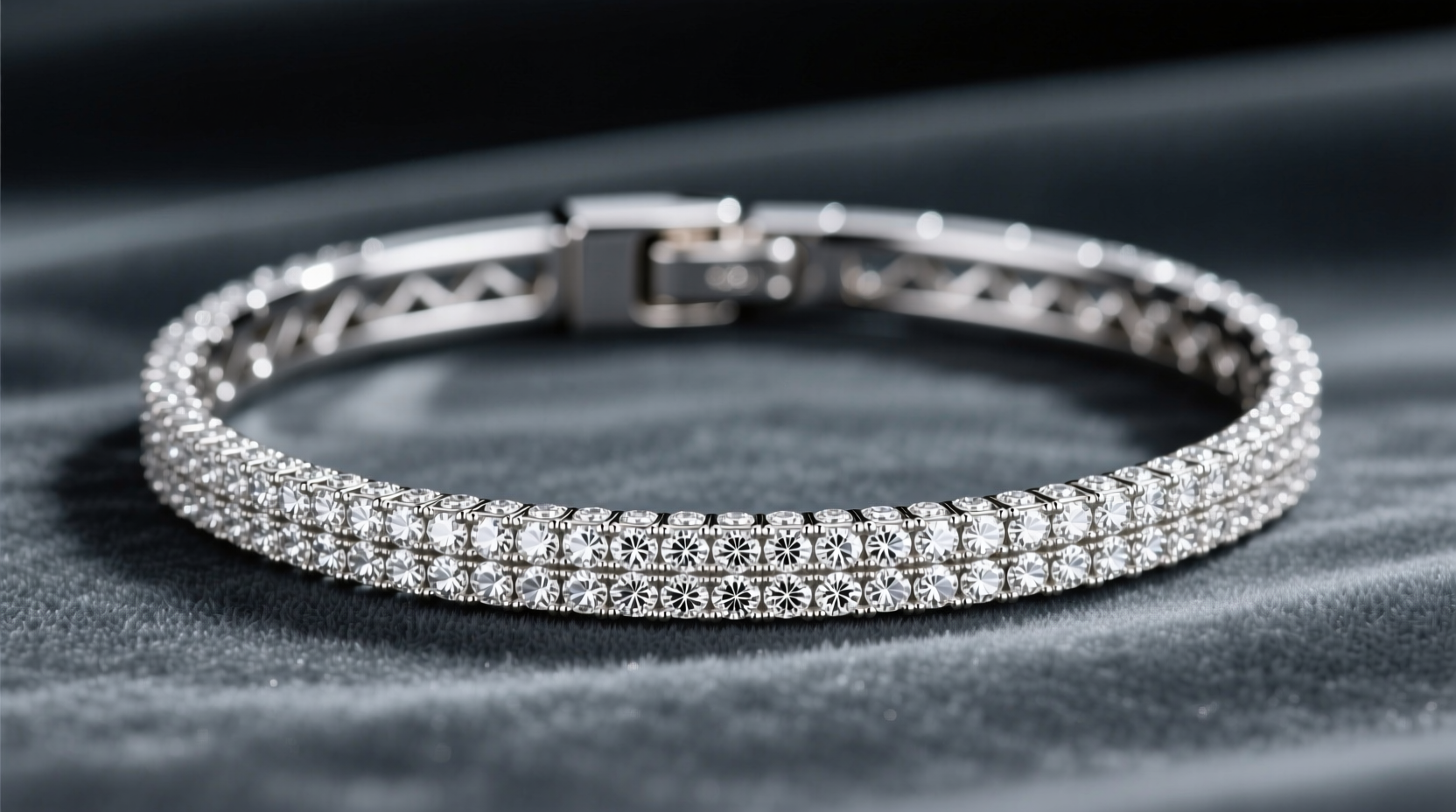
Luxury in jewelry often lies not in size or sparkle alone, but in precision, subtlety, and craftsmanship. A truly expensive-looking piece doesn’t rely solely on large stones; instead, it uses intricate detailing, seamless metalwork, and balanced proportions to convey exclusivity. This is where setting techniques become critical.
Micro inlaid and prong settings each manipulate light, metal visibility, and gem density differently. The micro inlaid style covers the surface with tightly set stones, creating a continuous glittering field. Prong settings, by contrast, use small metal claws to hold individual stones, allowing more light exposure and emphasizing each gem’s brilliance.
Perceived value is influenced by how much effort appears to have gone into the piece. A densely packed micro inlaid bracelet may look more labor-intensive at first glance, while a well-executed prong-set design might appear more classic and timeless—both valid markers of luxury, depending on context.
Micro Inlaid Setting: Seamless Sparkle and Modern Elegance
Micro inlaid, commonly referred to as micro pave, involves embedding tiny gemstones into a metal surface using nearly invisible beads or tiny prongs. The result is a smooth, uninterrupted expanse of sparkle that mimics a carpet of diamonds. Because the metal footprint is minimized, the bracelet appears to shimmer uniformly, with minimal visual breaks.
This technique requires exceptional precision. Jewelers must drill microscopic holes and secure each stone individually, often under magnification. The craftsmanship involved is time-consuming and demands a high level of expertise—factors that inherently increase both cost and prestige.
Because micro inlaid bracelets reflect light across a broad surface, they tend to catch attention in low-light settings and create a soft glow rather than sharp flashes. This makes them ideal for formal wear or layered stacking with other delicate pieces. Their modern, sleek appearance aligns well with contemporary luxury aesthetics, especially in white gold or platinum settings.
Prong Setting: Classic Brilliance and Gem Emphasis
Prong settings use small metal claws—typically four or six—to lift a gemstone above the band, maximizing its exposure to light. This allows for greater fire and scintillation, making each stone appear larger and more vibrant. The raised profile also gives the bracelet a three-dimensional quality that draws the eye.
While prong settings are among the oldest jewelry techniques, they remain a hallmark of high-end design when executed with finesse. A well-proportioned prong setting balances security with minimalism, ensuring the metal doesn’t overpower the stone. In bracelets, this often translates to a series of isolated sparkles spaced along the band, creating rhythm and movement.
“Prong settings showcase the true character of a diamond—the way it dances with light is unmatched.” — Daniel Reeves, Master Jeweler & GIA Graduate
One advantage of prong settings is their adaptability. They work beautifully with center stones or accent gems and allow for easier cleaning and maintenance. However, the visibility of the prongs themselves can affect perceived refinement. Poorly finished or bulky prongs detract from elegance, while slender, polished claws enhance it.
Comparative Analysis: Which Looks More Expensive?
To determine which setting appears more luxurious, consider several factors: craftsmanship, visual density, material use, and stylistic context.
| Feature | Micro Inlaid | Prong Setting |
|---|---|---|
| Stone Coverage | High – near-total surface coverage | Low to moderate – spaced stones |
| Metal Visibility | Minimal – hidden bead settings | Visible – prongs hold stones |
| Craftsmanship Complexity | Extremely high – precision under magnification | Moderate to high – depends on prong fineness |
| Durability | Lower – stones can loosen over time | Higher – secure grip, easier repair |
| Light Performance | Diffused, even shimmer | Bold flashes and fire |
| Style Association | Modern, fashion-forward luxury | Timeless, classic elegance |
In blind evaluations, many consumers associate micro inlaid designs with higher expense due to their dense, opulent appearance. The sheer number of stones and the technical skill required contribute to this perception. However, connoisseurs often favor prong settings for their ability to highlight gem quality—where one excellent diamond outshines dozens of smaller ones.
A Real-World Example: The Red Carpet Test
At a recent film premiere, two celebrities wore diamond tennis bracelets—one with a micro inlaid finish, the other with traditional prong settings. Close-up shots revealed that the micro inlaid piece drew immediate attention for its “frozen starlight” effect, glowing softly under camera lights. The prong-set bracelet, however, became the subject of jeweler commentary for its exceptional clarity and cut, with experts noting how each stone performed independently under dynamic lighting.
While the micro inlaid looked more dazzling from a distance, the prong-set piece was praised for its authenticity and gemological merit. This illustrates a key distinction: micro inlaid excels in visual impact, while prong settings emphasize intrinsic stone value—both paths to looking expensive, but through different means.
How to Choose Based on Your Goals
Selecting between micro inlaid and prong settings should align with your priorities: Are you aiming for maximum sparkle, or do you value enduring elegance and gem quality?
- Choose micro inlaid if: You want a bold, modern statement with continuous sparkle. Ideal for layering or special occasions.
- Choose prong setting if: You prefer a classic look that highlights individual stone brilliance and stands up to daily wear.
Checklist: Evaluating Luxury Appeal in Bracelet Settings
- Assess stone uniformity – Are all gems the same size and color?
- Examine metal finish – Is it polished, brushed, or matte? High polish enhances luxury.
- Check setting security – No loose stones or jagged edges.
- Evaluate symmetry – Misaligned stones reduce perceived value.
- Consider weight – Heavier pieces often use more metal, signaling quality.
- Look at brand reputation – Established jewelers invest more in setting precision.
Frequently Asked Questions
Does micro inlaid jewelry last as long as prong-set?
Micro inlaid is more delicate due to the small beads holding stones. Over time, vibrations and impacts can loosen gems, requiring periodic tightening. Prong settings are generally more durable and easier to repair, making them better suited for everyday wear.
Can I tell the difference between high-quality and low-quality micro inlaid?
Yes. High-quality micro inlaid features evenly spaced stones, consistent metal bead size, and no visible gaps. Lower-quality versions may use glue or uneven settings to cut costs—look closely at the surface under light.
Which setting increases resale value more?
Prong settings typically retain higher resale value, especially if they feature larger, certified diamonds. Micro inlaid pieces, while beautiful, are often seen as fashion-forward and may depreciate faster unless from a luxury brand.
Final Considerations: Beyond the Setting
Ultimately, the most expensive-looking bracelet combines superior setting technique with high-grade materials. Whether micro inlaid or prong-set, a piece crafted in platinum with VS clarity diamonds will outshine a similar design in sterling silver with included stones. Certification, brand heritage, and finishing details like milgrain or engraving also contribute to luxury perception.
The best investment is a bracelet that reflects your personal style while meeting objective standards of quality. Don’t be swayed solely by initial sparkle—consider longevity, craftsmanship, and how the piece fits within your broader collection.




 浙公网安备
33010002000092号
浙公网安备
33010002000092号 浙B2-20120091-4
Comments
No comments yet. Why don't you start the discussion?