
Sentimental items carry emotional weight. A child’s first drawing, a late parent’s watch, or a wedding invitation from decades ago—they aren’t just objects. They are vessels of memory, love, and identity. But when these items accumulate beyond what you can reasonably keep, they begin to weigh on your space and spirit. Minimalism isn’t about erasing the past; it’s about honoring it with intention. This guide offers a respectful, practical approach to decluttering sentimental belongings—without sacrificing meaning or succumbing to guilt.
The Emotional Weight of Sentimental Clutter
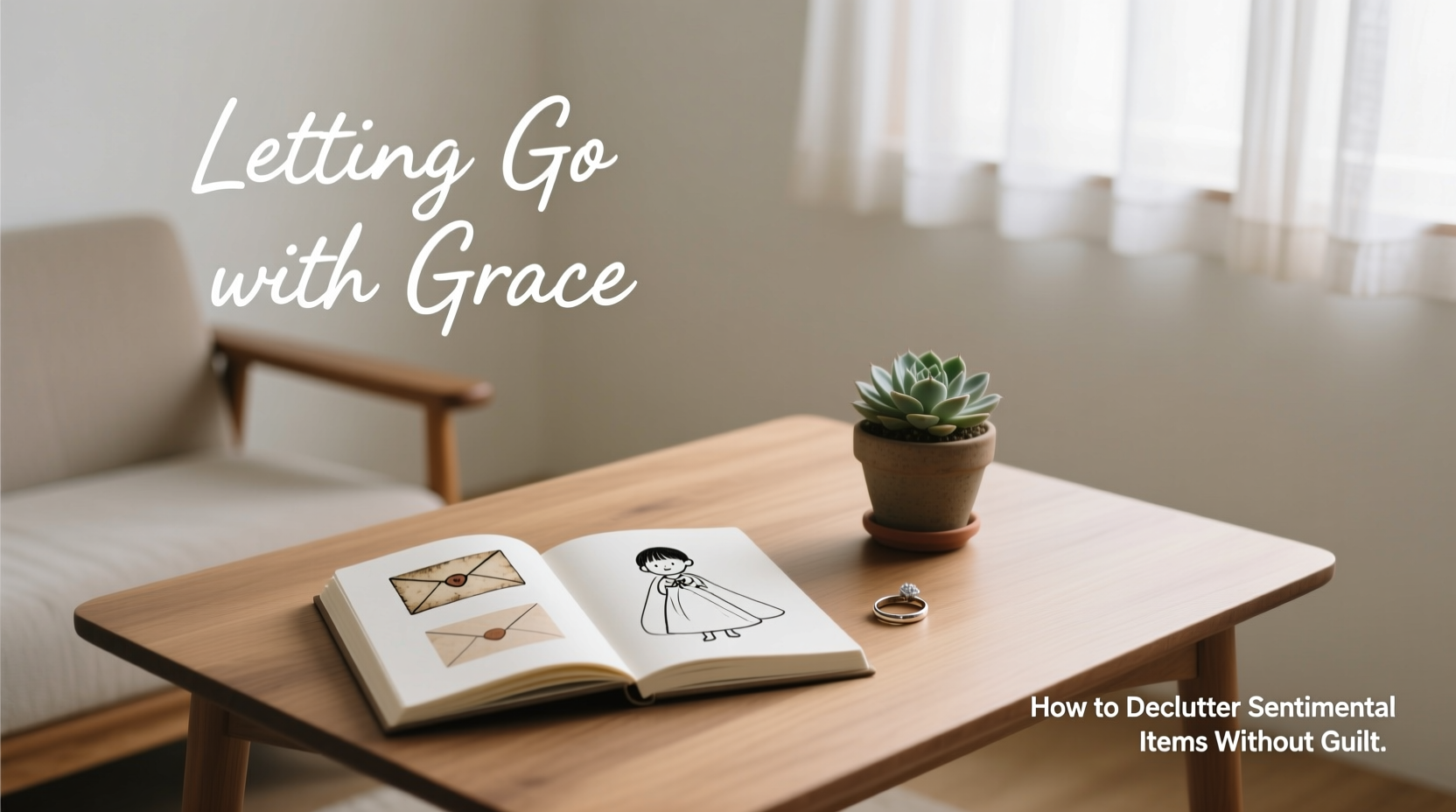
Sentimental clutter is unlike other types of excess. You don’t keep a coffee mug because it’s useful—you keep it because Grandma used it every Sunday morning. The challenge lies in separating the object from the emotion. Most people hesitate to let go not because they need the item, but because they fear losing the connection it represents.
Psychological research shows that attachment to possessions often correlates with identity and continuity. According to Dr. Robin Stern, associate director at the Yale Center for Emotional Intelligence, “Objects become symbolic anchors. Letting them go can feel like losing a piece of ourselves.” This deep bond makes decluttering sentimental items one of the most emotionally complex tasks in minimalist living.
Yet holding onto everything dilutes meaning. When every drawer overflows with relics, none stand out. True minimalism invites us to curate—not eliminate—our emotional landscape.
“We keep things not because they serve us now, but because they once did. Minimalism asks: does this still serve me, or am I serving it?” — Joshua Fields Millburn, The Minimalists
A Step-by-Step Guide to Decluttering Sentimental Items
Decluttering sentimental possessions requires patience, self-awareness, and structure. Rushing through a box of old letters or childhood toys often leads to regret or emotional burnout. Follow this thoughtful, six-phase process to make decisions with clarity and compassion.
- Pause and Reflect: Before touching any item, spend 15 minutes journaling. Ask: Why do I want to declutter? What am I afraid of losing? How do I want my home to feel? This grounding step builds emotional resilience.
- Gather Without Judging: Collect all sentimental items into one central area—a table, bed, or cleared floor space. Do not sort or discard yet. Seeing everything together reveals patterns and volume.
- Categorize by Theme: Group items logically: family heirlooms, travel mementos, school memorabilia, gifts, photographs, etc. This prevents overwhelm and supports objective decision-making.
- Apply the 3-Question Filter: For each item, ask:
- Does this bring me genuine joy or peace?
- Would I replace it if lost?
- Is someone else better positioned to cherish it?
- Create Memory Alternatives: Take photos of items before letting go. Digitally archive letters or record audio readings of handwritten notes. Preservation doesn’t require physical retention.
- Release with Ritual: Thank the item aloud. Write a short note of gratitude. Donate, gift, or recycle mindfully. Ritual honors the transition and reduces guilt.
Smart Strategies for Common Sentimental Categories
Different types of sentimental items demand different handling. Below are proven approaches for frequently challenging categories.
Children’s Artwork and School Projects
Parents often feel obligated to keep every crayon drawing and spelling test. But storage space—and emotional value—diminishes over time. Select 1–2 standout pieces per year. Photograph the rest and compile into a digital album titled “Growing Up: 2010–2020.” Share it with your child—they may appreciate seeing their progress years later.
Photographs and Physical Media
Photo albums, film negatives, and VHS tapes take up significant space. Scan and back up digitized versions to cloud storage or an external drive. Keep only the most meaningful prints in a single curated album. Discard duplicates and blurry shots—preserving quality enhances emotional impact.
Gifts from Loved Ones
Re-gifting or discarding presents can feel disloyal. But remember: the giver offered kindness, not a lifetime obligation. Ask: Did they give it hoping you’d use it or store it forever? Most would prefer you live freely. Consider keeping small tokens (a ribbon, card) instead of bulky items.
Heirlooms and Family Relics
Not all heirlooms suit modern life. A Victorian dresser may be beautiful, but if it dominates your bedroom and collects dust, its burden outweighs its beauty. Offer it to a relative who will use it. If no one wants it, donate to a historical society or sell—it may fund something meaningful for your own family.
Clothing and Jewelry of Deceased Loved Ones
Wearing a departed spouse’s sweater might comfort you initially, but clinging to it for years can stall grief processing. Transform items into functional keepsakes: turn fabric into a quilt, or repurpose buttons into a shadow box. One woman stitched her father’s shirts into a wall hanging with his favorite quote embroidered beneath—honoring him daily without clutter.
Do’s and Don’ts: Navigating Emotional Triggers
| Do | Don’t |
|---|---|
| Start with low-stakes items (e.g., old greeting cards) | Begin with your most treasured possession |
| Involve family members when appropriate | Force others to declutter against their will |
| Take photos before letting go | Assume digitizing replaces emotional value |
| Donate to causes connected to the item’s origin | Throw cherished items in the trash |
| Allow yourself to change your mind later | Punish yourself for discarding something |
Real-Life Example: Marie’s Journey with Her Mother’s China
Marie inherited a full set of fine china after her mother passed. Though she rarely cooked elaborate meals, she kept the set boxed in her closet for ten years, feeling guilty each time she considered donating it. “It was Mom’s pride,” she said. “I thought getting rid of it meant I didn’t care.”
After joining a minimalist living group, Marie reevaluated. She unpacked the set, photographed each piece, and invited her daughter and niece to choose a few items. She donated the rest to a women’s shelter hosting holiday dinners. “Seeing those plates used with joy felt better than knowing they were rotting in my basement,” she reflected. “Mom loved feeding people. Now her dishes still do that.”
This shift—from preservation to purpose—freed Marie emotionally and physically. She replaced the storage unit with a reading nook where she now journals about her mother, creating new traditions rooted in memory, not matter.
Essential Checklist: Declutter Sentimental Items Mindfully
- ☐ Set a clear intention for your space and emotional well-being
- ☐ Schedule short, focused decluttering sessions
- ☐ Gather all sentimental items in one visible location
- ☐ Sort into categories (family, travel, work, etc.)
- ☐ Apply the three-question filter to each item
- ☐ Digitize photos, letters, and documents
- ☐ Create a legacy plan: who might cherish certain items?
- ☐ Thank and release items with a simple ritual
- ☐ Store remaining treasures with care and visibility
- ☐ Review your choices monthly—adjust without judgment
Frequently Asked Questions
Isn’t keeping sentimental items part of honoring the past?
Honoring the past means remembering it meaningfully, not hoarding it. You can honor a loved one by living fully, sharing stories, or continuing their values. Physical items are tools for memory, not memory itself. Curating a few powerful reminders often serves remembrance better than stockpiling.
What if I regret letting something go?
Regret is natural, but rare. Studies show that fewer than 5% of people regret decluttering sentimental items long-term. More commonly, people regret *not* letting go sooner. If you do regret a decision, allow it without shame. You acted with the best knowledge you had. Some items can be replaced; peace of mind cannot.
How do I handle family pressure to keep things?
Set boundaries with empathy. Say, “I’m choosing to honor Aunt Carol by using her recipe book weekly, not by storing every teacup.” Offer relatives first choice. If they won’t take items, gently point out that keeping something out of obligation dishonors its true value. Shared sentiment is stronger than shared storage.
Conclusion: Make Space for Meaning, Not Just Memories
Minimalist living isn’t cold detachment—it’s intentional presence. Decluttering sentimental items isn’t about forgetting; it’s about choosing which memories deserve space in your current life. Guilt often disguises itself as loyalty, but true respect for the past includes making room for the present.
Every item you release with gratitude creates space—for peace, for growth, for new memories to form. Start small. Be kind to yourself. Let go not because the object isn’t valuable, but because your life is too precious to be crowded by ghosts of meaning.




 浙公网安备
33010002000092号
浙公网安备
33010002000092号 浙B2-20120091-4
Comments
No comments yet. Why don't you start the discussion?