
In an age where comfort, efficiency, and design converge, what you carry in your pocket matters more than ever. Gone are the days of overstuffed leather wallets bulging with receipts, loyalty cards, and every credit option imaginable. Today’s urban professional, traveler, and minimalist enthusiast faces a simple but impactful decision: Should they choose a minimalist wallet or a dedicated cardholder?
The answer isn’t just about aesthetics—it’s about daily usability, security, ergonomics, and even posture. Both options promise a slimmer profile, but their functionality diverges significantly depending on lifestyle, needs, and personal habits. Understanding the subtle differences can save you from discomfort, loss, or inconvenience.
Understanding the Core Differences
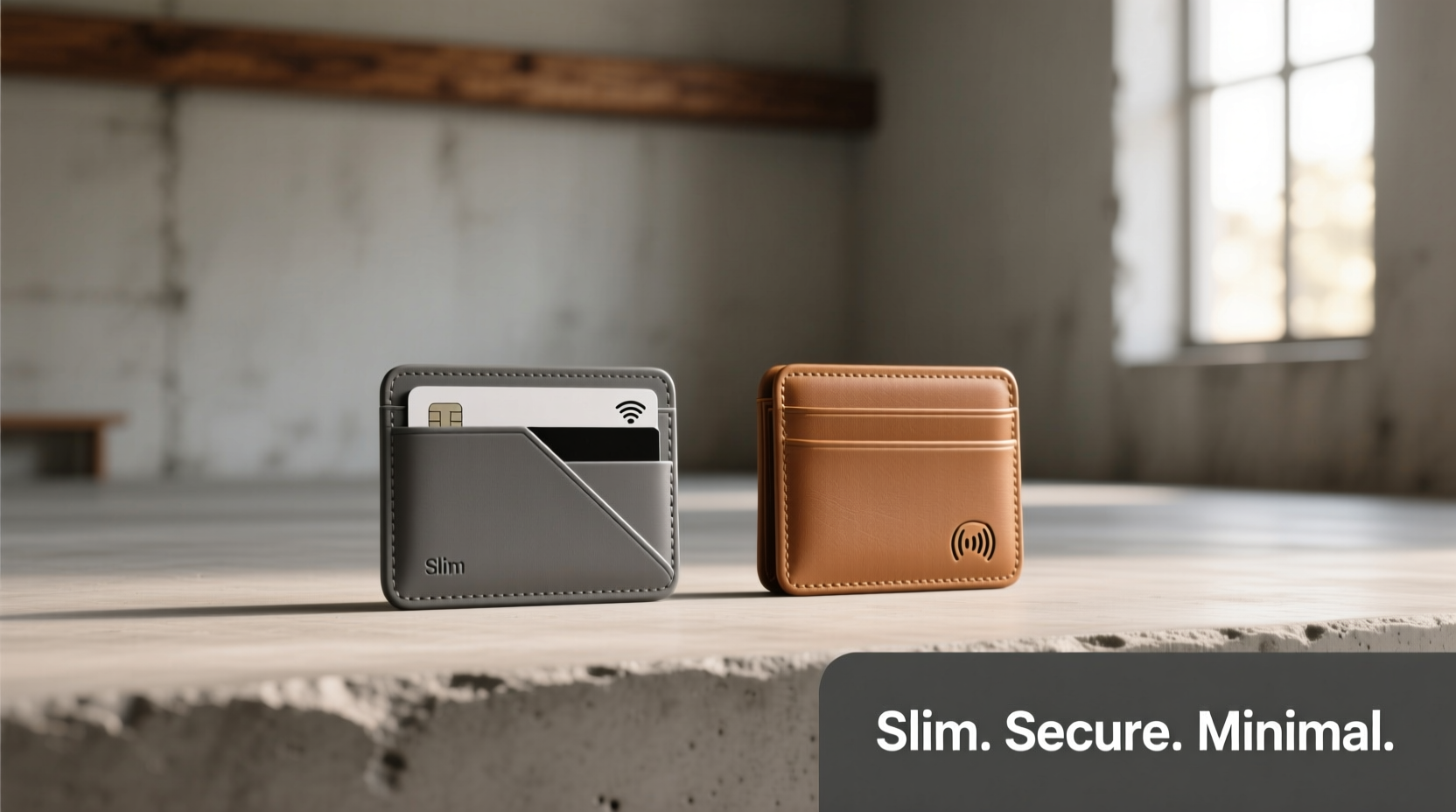
A minimalist wallet and a cardholder may appear similar at first glance—both are compact, designed to reduce bulk, and often made from premium materials like aluminum, carbon fiber, or full-grain leather. However, their intended use and structure set them apart.
- Minimalist Wallet: Designed as a complete replacement for a traditional wallet. It holds cards, cash, and sometimes coins—all while maintaining a slim profile. Examples include front-pocket bi-fold wallets, sleeve-style wallets, or RFID-blocking metal cases with cash straps.
- Cardholder: A specialized accessory meant primarily for cards—typically 3 to 6. It does not accommodate cash or only does so minimally (a folded bill tucked behind). Its sole purpose is to organize essential cards securely and accessibly.
The key distinction lies in versatility. A minimalist wallet aims to do everything a regular wallet does, just better and thinner. A cardholder, by contrast, assumes you rely on digital payments or carry cash separately. This makes the choice less about size and more about lifestyle alignment.
Comfort and Pocket Ergonomics
One of the primary reasons people switch to slim alternatives is physical comfort. Sitting with a thick wallet in your back pocket can lead to misalignment of the spine, sciatic nerve pressure, and long-term postural issues. Chiropractors have long warned against \"wallet sciatica\" or \"back pocket syndrome.\"
Both minimalist wallets and cardholders address this by reducing thickness. But when comparing real-world impact, nuances emerge:
- Front-pocket placement: Most minimalist wallets are designed for front pockets, promoting even weight distribution and eliminating back strain. Their slim build ensures they don’t distort the shape of your pants or create visible outlines.
- Cardholder convenience: Even slimmer than most minimalist wallets, a cardholder can disappear into a jeans pocket or jacket lining without adding any noticeable bulk. For those who wear tight-fitting clothing or prefer ultra-light carry, this is ideal.
However, carrying only a cardholder means you might need to pair it with another item—a separate cash clip, coin purse, or phone case with storage. That defeats the purpose of minimalism if you end up carrying multiple pieces.
“Reducing pocket bulk isn't just about style—it's a small ergonomic win that adds up over time. The less asymmetry you introduce while sitting, the better your spinal alignment.” — Dr. Alan Pierce, Chiropractic Specialist
Security: Theft Prevention and RFID Protection
Urban environments demand vigilance. Pickpocketing remains common in crowded areas, and digital theft via RFID scanning is a growing concern. How each device performs in safeguarding your essentials varies.
Cardholders, due to their simplicity, offer limited protection. Most are open on at least one side for easy card access, making them vulnerable to quick grabs or slips. They rarely include RFID shielding unless specifically marketed as secure models.
Minimalist wallets, especially those made from metal or layered composites, often feature locking mechanisms, spring-loaded card ejectors, or pull-tabs that require deliberate action to access cards. Many also integrate RFID-blocking materials to prevent unauthorized scanning of contactless cards and passports.
Consider this scenario: You're on a busy subway during rush hour. A thief could easily slide a thin cardholder out of a loosely buttoned pocket. A well-designed minimalist wallet with a friction-fit closure or magnetic shield would resist such attempts simply because it requires two hands to open.
Real Example: The Commuter’s Dilemma
Take Mark, a software developer in Chicago who commutes via train daily. He used a standard bifold wallet for years until he developed lower back pain. His doctor suggested removing bulky items from his back pocket. Mark switched to a titanium cardholder, thinking it was the ultimate solution. But within weeks, he found himself juggling it alongside a money clip and phone—three separate items instead of one.
He eventually upgraded to a minimalist aluminum wallet with RFID protection and a built-in cash strap. Now, he carries cards, folded cash, and his driver’s license in one sleek unit. Not only did his back pain subside, but he also felt more secure knowing his cards couldn’t be scanned remotely.
Feature Comparison: Minimalist Wallet vs Cardholder
| Feature | Minimalist Wallet | Cardholder |
|---|---|---|
| Cards Capacity | 4–8 cards (some up to 12) | 3–6 cards |
| Cash Accommodation | Yes (folded or strapped) | Limited or none |
| RFID Protection | Common in premium models | Rare unless specified |
| Front-Pocket Friendly | Yes, designed for it | Yes, extremely slim |
| Durability | High (metal, reinforced leather) | Moderate (prone to bending) |
| Theft Resistance | Higher (secure closures) | Lower (easy slip-out) |
| Ideal For | Daily carry with mixed payment methods | Digital-first users, fashion-focused carry |
Choosing Based on Lifestyle
Your ideal choice depends less on specs and more on how you live. Consider these user profiles:
- The Urban Professional: Attends meetings, uses transit, pays with both card and cash occasionally. Likely benefits from a minimalist wallet that consolidates essentials without sacrificing accessibility.
- The Digital Native: Uses Apple Pay, Google Wallet, or contactless cards almost exclusively. Carries only ID and one backup card. A slim leather or metal cardholder offers elegance and zero bulk.
- The Traveler: Needs passport, boarding pass, hotel key, and local currency. A minimalist wallet with international card support and hidden compartments provides better utility than a basic cardholder.
- The Fashion Minimalist: Prioritizes clean lines and invisible carry. A cardholder tucked into a jacket inner pocket or clutch aligns with aesthetic goals—even if it means carrying cash separately.
Step-by-Step Guide: Transitioning to Slim Carry
Switching from a traditional wallet doesn’t happen overnight. Follow this timeline to make the shift smoothly:
- Week 1: Audit Your Current Carry
Empty your wallet. Lay out every card, receipt, and piece of paper. Ask: Which items do I use daily? Weekly? Ever? - Week 2: Reduce to Essentials
Keep only your ID, primary debit/credit card, one backup card, and health insurance. Remove expired cards, duplicates, and promotional materials. - Week 3: Choose Your Device
Based on your remaining items, decide: Do you need cash space? Will you use tap-to-pay often? Select either a minimalist wallet or cardholder accordingly. - Week 4: Test in Real Conditions
Use your new carry for commuting, shopping, and social outings. Note ease of access, comfort when sitting, and security in crowds. - Ongoing: Refine and Maintain
Every few months, re-evaluate. Technology changes, habits evolve. Stay intentional about what you carry.
Frequently Asked Questions
Can a cardholder replace a wallet completely?
Only if you rarely use cash and don’t need to carry ID, tickets, or receipts. For most people, pairing a cardholder with another item (like a phone case or separate cash clip) creates more hassle than a single minimalist wallet.
Are minimalist wallets durable enough for daily use?
High-quality models made from aircraft-grade aluminum, titanium, or Horween leather are extremely durable—often lasting 5+ years. Avoid cheap plastic or flimsy metal versions, which can warp or break under stress.
Do cardholders protect against RFID skimming?
Most do not, unless explicitly labeled as RFID-blocking. Always check product specifications if digital security is a concern. Some minimalist wallets offer layered shielding as a standard feature.
Final Recommendation: Balance Function and Form
While both minimalist wallets and cardholders succeed in reducing pocket bulk, the minimalist wallet emerges as the more practical, secure, and versatile option for the average person. It consolidates functions without compromise, supports healthy posture, and adapts to evolving payment methods.
The cardholder excels in niche scenarios—fashion-forward settings, ultra-minimalist lifestyles, or as a secondary carry for nights out. But for everyday reliability, especially when balancing cash, cards, and identification, the minimalist wallet delivers superior value.
Ultimately, the best choice isn’t determined by trendiness or material alone. It’s defined by how well it integrates into your routine, enhances comfort, and protects what matters.




 浙公网安备
33010002000092号
浙公网安备
33010002000092号 浙B2-20120091-4
Comments
No comments yet. Why don't you start the discussion?