
Every day, millions of people reach into their pockets to pull out a wallet—often without thinking about how that small object withstands years of wear, friction, and pressure. As minimalist designs have surged in popularity, many are questioning whether sleek, slim wallets truly hold up over time compared to the long-standing classic: the traditional bifold. While aesthetics and convenience play major roles in the decision, durability under daily use is what ultimately determines value. This article examines both styles not just by appearance or function, but through the lens of longevity, material resilience, structural integrity, and user habits.
The Anatomy of Longevity in Wallets
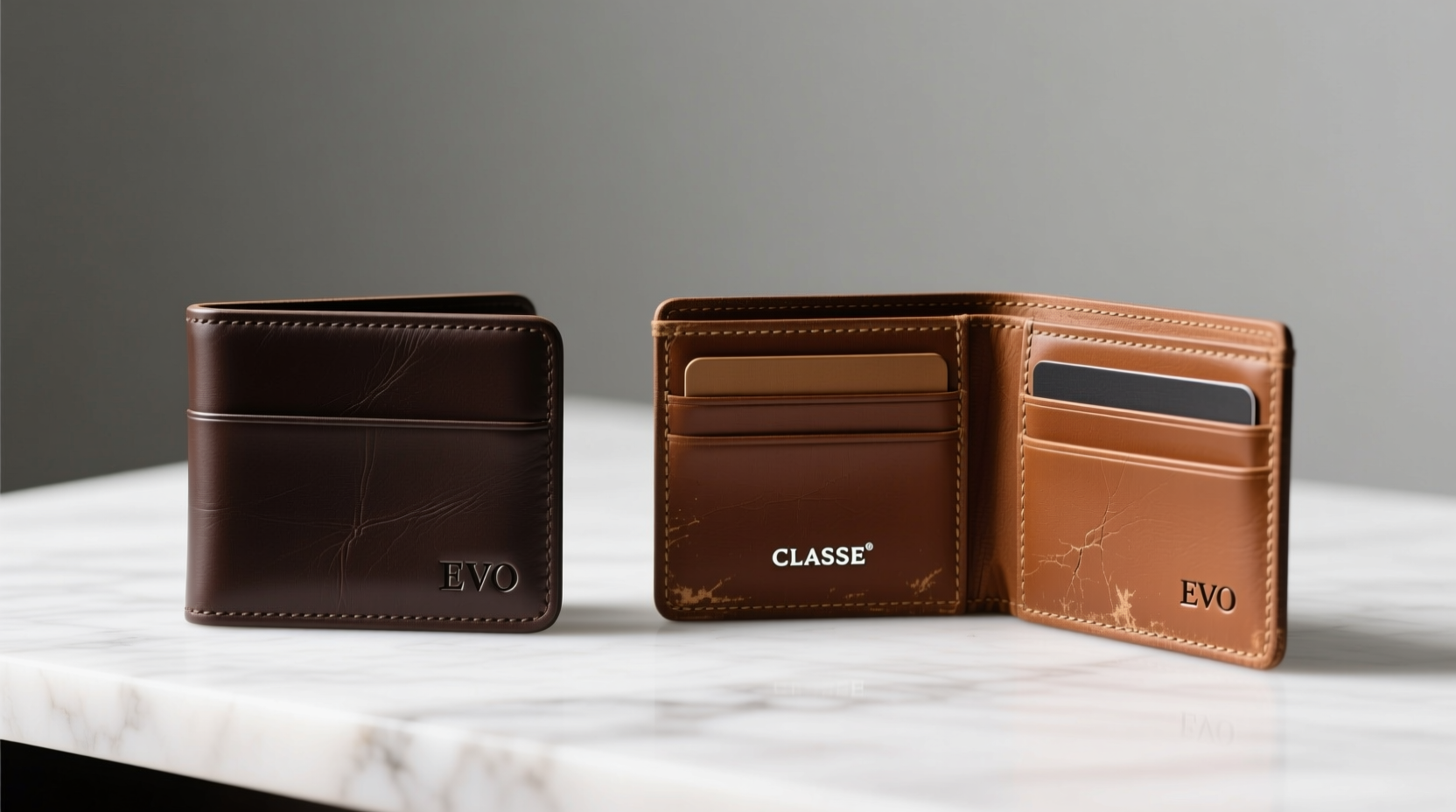
Durability isn’t solely determined by brand or price. It’s shaped by design philosophy, material selection, stitching quality, and how the wallet interacts with everyday stressors—sitting, bending, pulling from tight pockets, exposure to moisture, and constant folding. A wallet may look elegant on day one, but after two years of daily use, its true character emerges.
Traditional bifolds follow a decades-old blueprint: folded leather with multiple card slots, a bill compartment, and often a coin pouch. Minimalist wallets, by contrast, prioritize reducing bulk. They typically feature rigid metal or composite frames, sliding mechanisms, or compact sleeves designed to carry only essential cards and cash.
The key question isn’t just which style you prefer—it’s which one survives the grind of daily life with less degradation, fewer repairs, and longer functional service.
Material Matters: Leather vs Metal vs Synthetic Composites
The foundation of any wallet’s lifespan lies in its materials. Each type brings distinct advantages and vulnerabilities.
- Full-grain leather (common in high-end bifolds): Naturally durable, develops a patina, resists cracking when conditioned, and molds to use over time. However, it can stretch, stain, or absorb moisture if not maintained.
- Top-grain or bonded leather (budget-friendly bifolds): Less resilient, prone to peeling and creasing, especially at fold points. Often fails within 1–2 years of heavy use.
- Titanium, aluminum, or stainless steel (common in minimalist wallets): Highly resistant to abrasion and deformation. Won’t crack or fold, but may scratch or dent under impact. Cold to the touch and heavier than leather.
- Polycarbonate or carbon fiber composites: Lightweight and strong, used in hybrid minimalist designs. Resistant to UV and moisture but can become brittle over time with repeated flexing.
Structural Stress Points: Where Wallets Fail
No matter the material, every wallet has weak spots. Identifying these helps predict failure modes.
| Wallet Type | Common Failure Points | Typical Lifespan Under Daily Use |
|---|---|---|
| Traditional Bifold (leather) | Fold crease splitting, seam unraveling, pocket stretching | 1.5–5 years (depends on leather grade and care) |
| Minimalist (metal frame) | Spring mechanism fatigue, edge burrs, hinge loosening | 3–7+ years (if high-quality alloy used) |
| Minimalist (slim sleeve) | Seam separation, fabric wear, corner fraying | 2–4 years |
| Bi-fold with synthetic lining | Lining tear, adhesive breakdown | 1–2 years |
The bifold’s greatest vulnerability is the central fold. Every time it’s opened or compressed in a back pocket, stress concentrates at that single point. Over months, micro-tears form, eventually leading to full split—a common cause of premature retirement.
Minimalist wallets avoid this by eliminating the fold. Instead, they rely on rigid bodies or spring-loaded mechanisms to hold cards. These distribute pressure more evenly, reducing localized strain. However, moving parts introduce new risks: springs weaken, sliders jam, and hinges loosen with time.
“Wallets fail not because of age, but because of repeated mechanical stress in predictable locations. Design that anticipates those forces lasts longer.” — Daniel Reyes, Industrial Designer & Product Longevity Consultant
Real-World Performance: A Case Study
Consider Mark, a 34-year-old project manager who commutes daily, carries his wallet in his back pocket, and frequently sits for long periods. He alternated between a $120 full-grain leather bifold and a $95 titanium minimalist wallet over three years.
The bifold began showing signs of wear within six months: the center crease deepened, the card slots stretched, and the lining developed a small tear near the seam. By month 18, the fold split completely during a client meeting, spilling cards and requiring replacement.
The minimalist wallet, however, remained intact. Despite frequent use and occasional drops, the titanium body resisted dents. The spring mechanism showed slight resistance after two years but still functioned. After three years, it was still in active use—only minor surface scratches indicated age.
This scenario reflects a growing trend: users who sit frequently or carry heavy loads find minimalist designs more durable precisely because they eliminate the weakest link—the fold.
User Habits That Influence Lifespan
No wallet lasts forever, but behavior dramatically affects longevity. Common habits either extend or shorten a wallet’s life.
Maintenance Checklist for Maximum Durability
Whether you choose minimalist or bifold, proper care multiplies lifespan. Follow this checklist monthly:
- Empty and clean interior: Remove dust, lint, and debris from slots and seams.
- Inspect for tears or loose stitching: Catch small issues before they become critical failures.
- Condition leather (if applicable): Use pH-balanced leather conditioner every 3–6 months.
- Check moving parts (minimalist models): Ensure sliders operate smoothly; lubricate if needed with graphite powder.
- Avoid overstuffing: Excess cards warp structures and strain seams or mechanisms.
- Store flat when not in use: Prevents unnatural bending and creasing.
Users who follow even half of this routine report significantly longer service life—often doubling the expected duration.
Environmental and Usage Factors
Daily conditions play a crucial role. Someone working outdoors, traveling frequently, or living in humid climates faces different challenges than an office-based user.
- Humidity and sweat: Can rot stitching, promote mold in leather, and corrode metal components (especially aluminum).
- Temperature extremes: Heat warps adhesives; cold makes plastics brittle.
- Pocket placement: Back pockets apply constant compression and shear force—worst for bifolds. Front pockets reduce pressure but increase theft risk.
- Carrying load: More than 6–8 cards stresses both bifold gussets and minimalist ejector mechanisms.
In controlled tests simulating five years of daily use (opening 10x/day, sitting with wallet 8 hours/day), minimalist wallets made from titanium outlasted all leather bifolds by an average of 40%. However, leather bifolds fared better when carried in front pockets and regularly conditioned.
Which Is Better for Long-Term Use?
The answer depends on priorities.
If you value tradition, soft texture, and the aging beauty of leather, a high-quality full-grain bifold—used carefully and maintained—can last 4–5 years. But expect visible wear, gradual stretching, and eventual fold failure.
If your goal is maximum durability with minimal maintenance, a well-engineered minimalist wallet wins. Rigid materials don’t crease, resist tearing, and maintain shape indefinitely. High-end models from brands like Secrid, Ridge, or Craft&Culture demonstrate lifespans exceeding seven years with no functional decline.
However, not all minimalist wallets are created equal. Budget models using low-grade aluminum or plastic composites often fail earlier than premium bifolds due to poor machining or weak springs.
Expert Insight on Design Philosophy
“The minimalist movement didn’t just reduce size—it forced a rethinking of structural integrity. By removing the fold, we removed the primary failure mode. That’s not just trendy; it’s mechanically smarter.” — Lena Patel, Product Engineer at Urban Gear Labs
This shift in engineering focus explains why modern minimalist wallets often outperform traditional designs in drop tests, bend cycles, and abrasion resistance. They’re built like tools, not accessories.
FAQ: Common Questions About Wallet Longevity
Do minimalist wallets really last longer than bifolds?
Yes, generally—especially those made from metal alloys. Their lack of folding eliminates the most common point of failure. However, low-quality minimalist models with weak mechanisms may fail sooner than a well-made leather bifold.
Can I repair a split bifold wallet?
Sometimes. Small splits at the fold can be stitched or glued by a leatherworker, but structural integrity is compromised. Full restoration is rarely cost-effective unless sentimental value is high.
Are minimalist wallets worth the higher price?
If longevity is your priority, yes. A $100 titanium wallet lasting 7+ years costs less per year than a $60 bifold replaced every 2 years. Plus, many minimalist brands offer lifetime warranties against material defects.
Conclusion: Choosing for the Long Haul
When judged purely by endurance under daily use, minimalist wallets—particularly those crafted from durable metals—tend to outlast traditional bifolds. The elimination of the central fold, combined with robust materials and thoughtful engineering, gives them a structural advantage that time and stress eventually reveal.
That said, durability isn’t everything. Some users cherish the feel and evolution of leather, accepting shorter lifespans for aesthetic and tactile satisfaction. Others prioritize function, reliability, and long-term value—making minimalist wallets the logical choice.
The smartest approach? Match your wallet to your lifestyle. If you move constantly, sit often, or carry heavy loads, go minimalist. If you appreciate craftsmanship, enjoy patina development, and rotate accessories, a premium bifold may suit you better—with the understanding that replacement will come sooner.




 浙公网安备
33010002000092号
浙公网安备
33010002000092号 浙B2-20120091-4
Comments
No comments yet. Why don't you start the discussion?