
When it comes to personalizing a workspace, few elements make a statement like a well-curated desktop display. Whether you're working from home or hosting clients in an office, the small details on your desk speak volumes about your personality and interests. Two of the most popular choices for collectors and enthusiasts are model bricks—such as LEGO® or compatible building systems—and action figures from franchises like Star Wars, Marvel, or anime series. But which one truly impresses guests more? The answer depends on audience, presentation, and purpose.
Aesthetic Appeal: Craftsmanship vs Character Presence
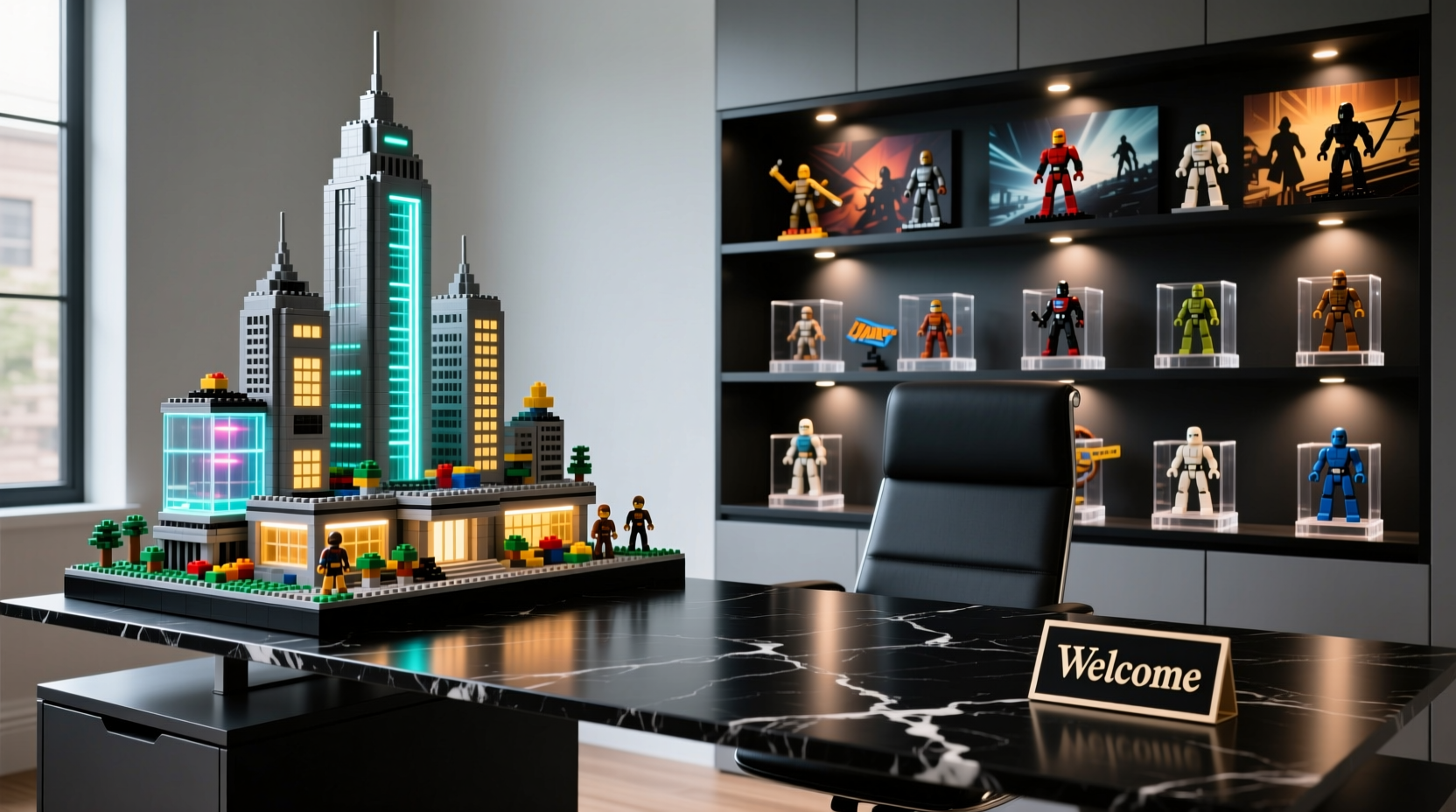
The visual impact of any desktop display hinges on design, color balance, and narrative. Model bricks offer a unique blend of architectural precision and creative expression. A well-built brick model—be it a miniature Eiffel Tower, a sleek spaceship, or a modular café—commands attention through symmetry, clean lines, and vibrant yet coordinated colors. These builds often reflect patience and skill, especially when custom modifications or advanced techniques like SNOT (Studs Not On Top) are used.
Action figures, on the other hand, bring immediate character recognition. A limited-edition Darth Vader or a vintage G.I. Joe evokes nostalgia and pop culture significance. Their strength lies in storytelling: even a single figure can suggest an entire universe. However, their appeal is often tied to brand familiarity. Guests unfamiliar with the franchise may see them as toys rather than art.
Customization and Creative Flexibility
One area where model bricks clearly outshine action figures is in customization. With bricks, users can design original creations or modify existing sets. This includes lighting kits, rotating platforms, or integrating smart components like micro-servos for moving parts. The open-ended nature of brick systems encourages iterative improvement—today’s display can evolve over months or years.
Action figures are more static. While repaints, custom outfits, and base modifications exist in advanced collecting circles, they require specialized skills and materials. Most off-the-shelf figures remain unchanged after unboxing. For those who enjoy hands-on building, model bricks provide a far more engaging long-term project.
Comparison Table: Key Features at a Glance
| Feature | Model Bricks | Action Figures |
|---|---|---|
| Build Time | Hours to weeks (depending on complexity) | Minutes (assembly rarely needed) |
| Customization Potential | High (modular, rebuildable) | Low to moderate (requires specialty tools) |
| Nostalgia Factor | Moderate (linked to childhood building) | High (franchise-driven emotional connection) |
| Guest Recognition | Appreciated by all ages | Depends on pop culture knowledge |
| Space Efficiency | Flexible (can scale down/up) | Limited (fixed size, bases take space) |
| Durability | High (interlocking system resists damage) | Low (joints degrade, paint chips) |
Psychological Impact: What Guests Actually Notice
Studies in environmental psychology suggest that people form impressions within seconds of entering a space. Desktop displays function as micro-exhibits that communicate identity. According to Dr. Lena Peterson, an expert in behavioral design:
“Objects that demonstrate effort, creativity, and control tend to generate higher perceived competence. A meticulously built model signals discipline and attention to detail—traits highly valued in professional settings.” — Dr. Lena Peterson, Environmental Psychologist
This gives model bricks an edge in formal or mixed-audience environments. A LEGO® NASA rover or a detailed cityscape tells guests that the owner values precision and innovation. Action figures, while beloved, can sometimes be misinterpreted as clutter unless presented with intentionality—such as in a dust-free display case with proper lighting.
Real-World Example: The Tech Entrepreneur’s Desk
Consider Mark Tran, founder of a mid-sized software startup. His office features a minimalist desk with only two decorative items: a transparent acrylic case containing a fully lit LEGO® Millennium Falcon and a rare prototype Iron Man action figure. When asked why he chose both, he explained:
“The Falcon gets compliments from everyone—even my 65-year-old accountant said it reminded him of his son’s creativity. But the Iron Man figure? Only three people have recognized it. It means a lot to me, but it doesn’t spark conversation the way the build does.”
Mark eventually rotated the action figure out in favor of a custom cyberpunk city built from recycled bricks. Visitor engagement increased noticeably. “People stop and ask how long it took. That opens up conversations about problem-solving, patience, even coding logic. I didn’t expect that.”
Step-by-Step: Building a Guest-Impressive Display
To maximize impact regardless of medium, follow this five-step process:
- Define Your Audience: Are guests mostly colleagues, clients, friends, or family? Choose themes accordingly—professional settings favor abstract or architectural models; casual spaces allow for bolder character choices.
- Select a Focal Point: Pick one centerpiece (e.g., a large brick model or flagship figure) and build around it. Avoid overcrowding.
- Invest in Presentation: Use floating shelves, acrylic cases, or LED backlighting to elevate perceived value.
- Add Context: Include a small plaque or engraved base with build date, inspiration, or technical details. This frames the piece as intentional art.
- Maintain It: Dust weekly, check structural integrity, and rotate pieces seasonally to keep the display fresh.
Checklist: Creating a High-Impact Desktop Display
- ✅ Choose a theme (sci-fi, architecture, retro gaming)
- ✅ Limit display to 1–3 key items
- ✅ Use lighting to highlight textures and colors
- ✅ Secure fragile pieces (especially action figure joints)
- ✅ Clean glass or acrylic enclosures monthly
- ✅ Rotate displays every 3–6 months to maintain novelty
Frequently Asked Questions
Can action figures be taken seriously as decor?
Yes—but only if curated intentionally. A mint-condition vintage figure in a UV-protected case reads as collectible art. A loose figure on a cluttered desk may seem like forgotten clutter. Context and condition are everything.
Are model bricks better for professional offices?
Generally, yes. Their geometric appeal and association with engineering and creativity make them more universally respected. However, a tasteful Marvel or anime figure can resonate strongly in creative industries like design, gaming, or entertainment.
How do I protect my display from dust and sunlight?
Use enclosed display cases with anti-dust seals. Keep away from direct sunlight to prevent yellowing (bricks) or fading (figure paint). For long-term preservation, consider storing pieces in low-humidity environments between viewings.
Final Verdict: Which Impresses More?
While both model bricks and action figures have merit, model bricks hold a distinct advantage when it comes to broad guest appeal. They combine visual sophistication with visible craftsmanship, inviting admiration across age groups and cultural backgrounds. Action figures excel in niche admiration—they shine brightest among fans of specific universes but may fall flat with general audiences.
The most impressive displays often blend both: a brick-built Batcave with a classic Batman figure inside, or a space station diorama housing tiny astronaut minifigures. This hybrid approach leverages the strengths of each—structure from bricks, story from figures.
“The best desk displays aren’t just about what you show—they’re about what they say about you.” — Rafael Cho, Interior Designer for Tech Executives
Conclusion
Your desktop is more than a workspace—it’s a silent ambassador of your taste, values, and passions. Whether you lean toward the architectural elegance of model bricks or the nostalgic charisma of action figures, the key is intentionality. Build with pride, display with care, and let your collection spark meaningful conversations.




 浙公网安备
33010002000092号
浙公网安备
33010002000092号 浙B2-20120091-4
Comments
No comments yet. Why don't you start the discussion?