
Morning vomiting can be alarming, especially when it occurs regularly without an obvious explanation. While occasional nausea upon waking may not be cause for concern, persistent or severe episodes warrant attention. The underlying reasons range from lifestyle habits to medical conditions, and identifying the root cause is essential for effective management. This article explores the most frequent triggers of morning vomiting, outlines actionable steps to address them, and highlights when professional evaluation is necessary.
Common Causes of Morning Vomiting
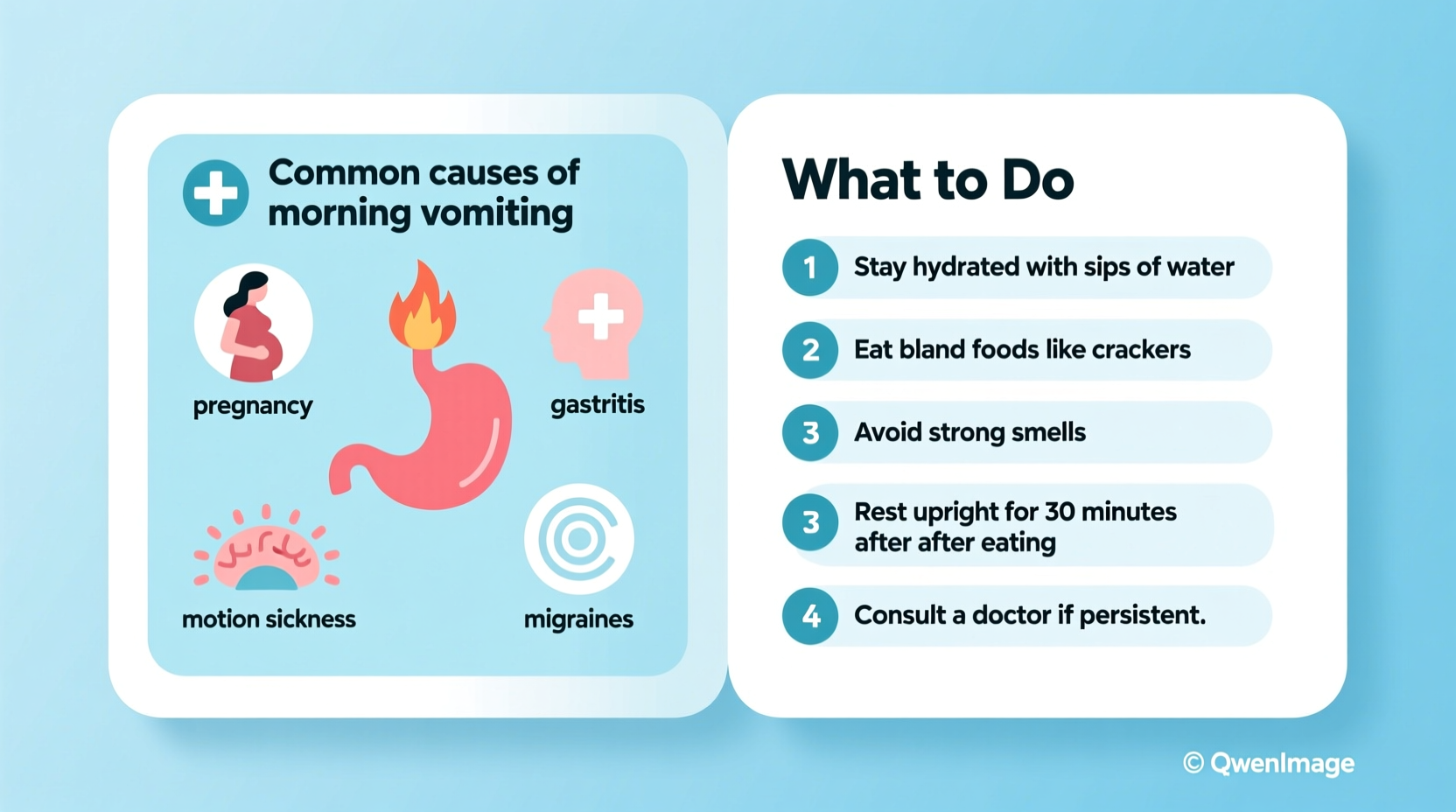
Vomiting in the morning isn't always linked to illness. Several physiological and environmental factors can trigger nausea and emesis upon waking. Understanding these causes helps distinguish between temporary discomfort and signs of a deeper issue.
- Pregnancy: One of the most well-known causes, morning sickness affects up to 80% of pregnant individuals, typically during the first trimester. Despite the name, nausea and vomiting can occur at any time of day.
- Gastroesophageal Reflux Disease (GERD): Lying flat overnight can allow stomach acid to rise into the esophagus, causing irritation and morning nausea or vomiting, especially if meals were eaten close to bedtime.
- Liver or Gallbladder Disorders: Conditions like hepatitis or gallstones may lead to bile reflux, particularly on an empty stomach, resulting in greenish or yellowish vomit in the morning.
- Anxiety and Stress: Elevated cortisol levels upon waking—part of the body’s natural circadian rhythm—can exacerbate anxiety-related nausea in susceptible individuals.
- Medication Side Effects: Some medications, including certain antidepressants, antibiotics, or supplements like iron or potassium, are more likely to irritate the stomach when taken at night or on an empty stomach.
- Cyclic Vomiting Syndrome (CVS): A disorder characterized by recurrent, sudden episodes of intense nausea and vomiting, often beginning in the early morning hours, with no identifiable cause.
- Alcohol Consumption: Drinking the night before can lead to delayed gastric emptying and acetaldehyde buildup, triggering morning nausea and vomiting.
When to Seek Medical Attention
Not all cases of morning vomiting require urgent care, but certain red flags indicate the need for prompt medical evaluation.
“Persistent morning vomiting lasting more than a few days, especially with weight loss or dehydration, should never be ignored. It could signal anything from metabolic imbalances to neurological issues.” — Dr. Lena Patel, Gastroenterologist
Symptoms that demand immediate attention include:
- Vomiting blood or material resembling coffee grounds
- Severe abdominal pain or distension
- Inability to keep down fluids for over 12 hours
- Dizziness, rapid heartbeat, or signs of dehydration (dry mouth, dark urine)
- Neurological symptoms such as headaches, vision changes, or confusion
Step-by-Step Guide to Managing Morning Vomiting
If your morning vomiting isn’t due to a serious condition, several evidence-based strategies can help reduce or eliminate symptoms over time.
- Adjust Your Eating Schedule: Avoid large meals within three hours of bedtime. Instead, eat a light snack before bed—such as crackers or toast—to buffer stomach acid.
- Elevate Your Head During Sleep: Use an extra pillow or a wedge pillow to keep your upper body slightly elevated, reducing nighttime acid reflux.
- Stay Hydrated Gradually: Sip small amounts of water, herbal tea, or electrolyte solutions upon waking rather than drinking large volumes at once.
- Practice Mindful Breathing: Before getting out of bed, spend 2–3 minutes doing slow, deep breathing to calm the nervous system and reduce anxiety-induced nausea.
- Review Medications: Consult your doctor about whether any prescriptions or supplements you take at night could be contributing. Timing or formulation adjustments may help.
- Limit Alcohol and Caffeine: Both substances can irritate the stomach lining and disrupt sleep architecture, increasing the risk of morning nausea.
Do’s and Don’ts: Quick Reference Table
| Do’s | Don’ts |
|---|---|
| Eat a small carbohydrate-rich snack before bed | Eat heavy, greasy, or spicy meals late at night |
| Drink fluids slowly throughout the morning | Chug water immediately after vomiting |
| Keep a consistent sleep schedule | Skip meals after vomiting—this worsens stomach acidity |
| Use ginger tea or peppermint aromatherapy for nausea relief | Ignore repeated vomiting over several days |
| Track symptoms to identify triggers | Self-diagnose serious conditions like liver disease |
Real-Life Example: Sarah’s Experience with Morning Nausea
Sarah, a 34-year-old teacher, began experiencing daily morning vomiting for two weeks. Initially attributing it to stress, she noticed the episodes occurred even after restful nights. She kept a symptom log and observed that vomiting was worse after eating pizza or pasta the night before. After consulting her physician, she was diagnosed with nocturnal acid reflux exacerbated by diet and sleeping position. With dietary modifications and a recommendation to use a wedge pillow, her symptoms resolved within ten days. Her case illustrates how tracking patterns and seeking timely care can lead to effective resolution.
Checklist: What to Do If You’re Experiencing Morning Vomiting
- ✅ Monitor frequency and timing of vomiting episodes
- ✅ Note associated symptoms (heartburn, headache, fatigue)
- ✅ Review all medications and supplements with a pharmacist or doctor
- ✅ Try eating a plain cracker before getting out of bed
- ✅ Stay upright for at least 20 minutes after eating in the evening
- ✅ Schedule a medical appointment if symptoms persist beyond 72 hours
- ✅ Consider pregnancy testing if applicable
Frequently Asked Questions
Can dehydration cause morning vomiting?
Yes. Dehydration alters electrolyte balance and can increase nausea, especially upon standing in the morning. Chronic dehydration may also impair digestion and contribute to gastric stasis, raising the likelihood of vomiting.
Is morning vomiting a sign of cancer?
While rare, persistent vomiting can be associated with certain cancers, particularly those affecting the gastrointestinal tract or brain. However, it’s usually accompanied by other symptoms like unexplained weight loss, appetite changes, or neurological deficits. It’s important not to jump to conclusions—but also not to dismiss ongoing symptoms.
Why do I feel nauseous every morning but don’t vomit?
Chronic morning nausea without vomiting may stem from low blood sugar, anxiety, GERD, or vestibular disturbances. Even without emesis, this symptom should be evaluated if it interferes with daily functioning or persists beyond a week.
Conclusion: Take Action Before It Gets Worse
Morning vomiting is more than just an unpleasant start to the day—it can be a signal from your body that something needs attention. Whether the cause is as simple as poor sleep hygiene or as complex as a metabolic disorder, early recognition and intervention make a significant difference. Implement lifestyle adjustments, track your symptoms diligently, and don’t hesitate to consult a healthcare provider when needed. Your long-term well-being depends on listening closely to what your body tells you.




 浙公网安备
33010002000092号
浙公网安备
33010002000092号 浙B2-20120091-4
Comments
No comments yet. Why don't you start the discussion?