
When it comes to dressing dogs for style or function, pet owners face a growing array of choices. Among them, the debate between multi-layer and single-layer dog dresses has gained traction—especially as seasonal fashion meets practical needs. While multi-layer designs often appear cozier or more elegant, the real question is whether that extra fabric improves comfort or inadvertently causes issues. The answer isn't always straightforward and depends on climate, breed, activity level, and individual sensitivity.
Understanding the functional differences between these two types of garments helps pet parents make informed decisions. Comfort isn’t just about softness—it involves breathability, freedom of movement, temperature regulation, and skin health. This article breaks down the advantages and drawbacks of each design, backed by veterinary insights and real-world observations.
Material Matters: How Fabric Choice Influences Comfort
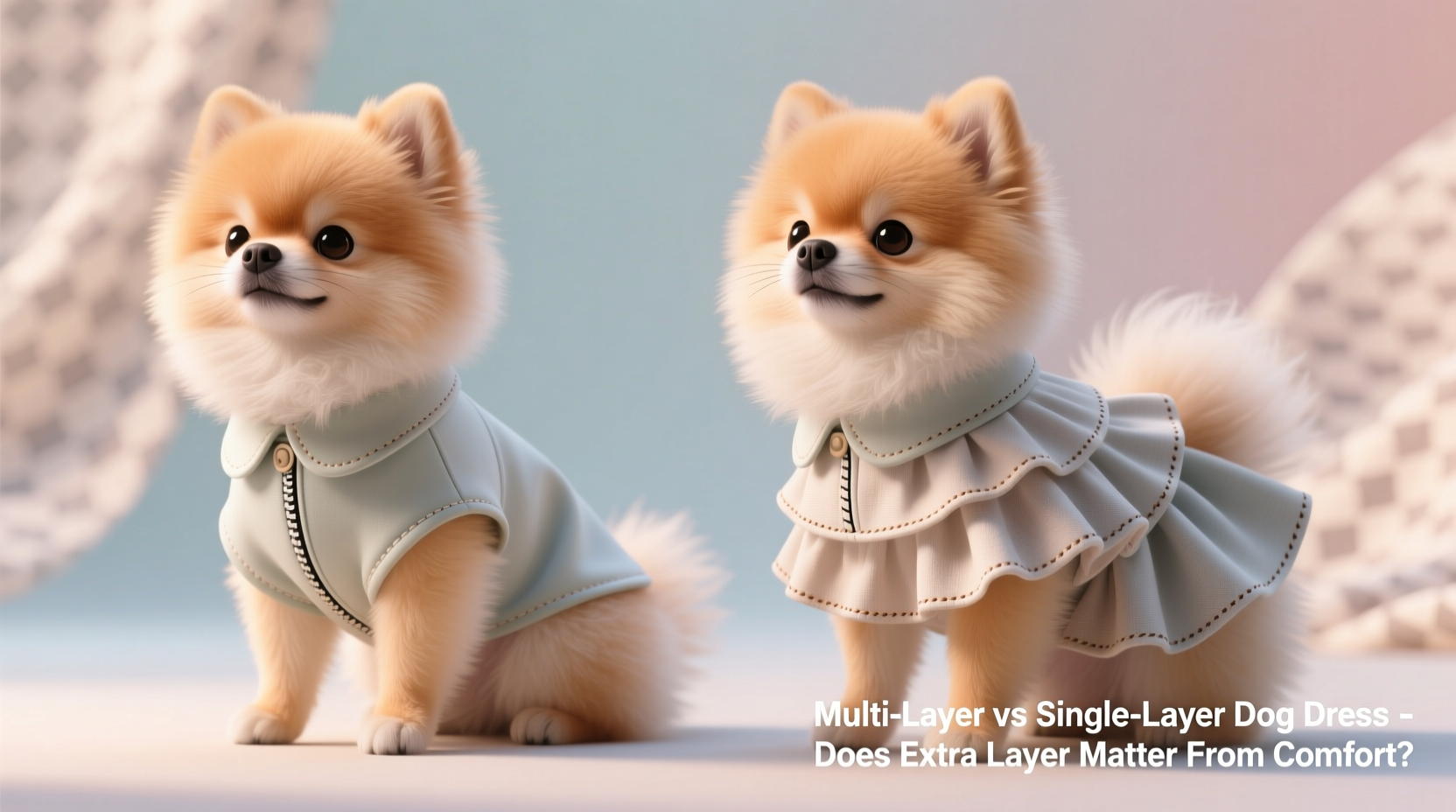
The number of layers in a dog dress is only one part of the equation. The material used determines how well heat escapes, how much moisture the garment absorbs, and how it interacts with your dog’s skin. Single-layer dresses are typically made from lightweight cotton, knit blends, or breathable synthetics designed for warm weather or indoor wear. These allow air circulation and reduce the risk of overheating.
Multi-layer dresses, on the other hand, often combine an outer decorative fabric (like tulle or satin) with an inner lining (usually cotton or polyester). Some even include padding or fleece for winter use. While this construction adds visual depth and insulation, it can also trap body heat and restrict airflow—especially if the materials aren’t moisture-wicking.
Comparing Warmth and Insulation Needs
One of the primary reasons owners choose multi-layer dog dresses is for added warmth during colder months. However, more layers don’t automatically mean better insulation. What matters most is the thermal efficiency of the materials used and how well they retain heat without compromising ventilation.
In mild climates, a single-layer knitted dress with a snug fit may provide sufficient warmth while allowing sweat and heat to escape. In contrast, a bulky multi-layer tulle dress—even with lining—might create excess heat buildup without offering meaningful insulation, especially if worn indoors near heaters.
“Dogs regulate body temperature primarily through their paws and respiratory system, not skin like humans. Overdressing them can interfere with natural cooling.” — Dr. Lena Torres, DVM, Small Animal Wellness Specialist
For true cold protection, a well-fitted, insulated coat made from technical fabrics (e.g., wind-resistant outer shell with thermal lining) is far more effective than a fashion-oriented multi-layer dress. Layering should be purposeful, not aesthetic.
Comfort and Mobility: Can Your Dog Move Freely?
A dog’s ability to move naturally is crucial to physical and emotional comfort. Multi-layer dresses, particularly those with stiff skirts, ruffles, or multiple underskirts, can limit range of motion. Dogs may hesitate to sit, lie down, or walk confidently when encumbered by excess fabric around their hind legs.
Single-layer dresses tend to drape more fluidly and conform to the body, reducing friction and resistance during movement. They're also lighter, which means less strain on joints—especially important for older dogs or breeds prone to hip dysplasia.
| Feature | Single-Layer Dress | Multi-Layer Dress |
|---|---|---|
| Weight | Light | Moderate to Heavy |
| Range of Motion | Unrestricted | Potentially Restricted |
| Breathability | High | Low to Moderate |
| Skin Irritation Risk | Low | Moderate to High |
| Best For | Daily wear, warm weather, active dogs | Ceremonial events, photos, mild cool weather |
Real-World Example: Bella the Shih Tzu at a Winter Wedding
Bella, a 5-year-old Shih Tzu, attended an outdoor winter wedding wearing a three-tiered ivory doggy dress with lace overlay and a satin underlayer. Her owner believed the multiple layers would keep her warm. Within 20 minutes, Bella began panting despite the chilly air, avoided walking on grass, and tried to rub her back legs against furniture.
Upon returning home, red marks were visible under the elastic waistband, and her inner thighs showed signs of chafing. A vet visit confirmed mild heat rash and irritation from trapped moisture—despite the cold ambient temperature. The lesson? Even in winter, excessive layering without proper ventilation can lead to discomfort and skin issues.
When Does an Extra Layer Actually Help?
There are specific scenarios where a second layer adds value beyond aesthetics:
- Wind Protection: A lined dress with a tightly woven outer layer can shield against drafts without needing bulk.
- UV Protection: In sunny climates, a light double layer made from UV-blocking fabric can prevent sunburn on thin-coated breeds.
- Modesty & Coverage: For dogs with limited fur or post-surgery recovery, a soft inner lining prevents direct contact with rough outer materials.
However, these benefits require thoughtful design. Simply adding more fabric without considering fit, weight, and breathability rarely enhances comfort.
Step-by-Step: Choosing the Right Dress for Your Dog
- Assess the climate: Is your dog going outdoors? What’s the temperature and humidity?
- Evaluate your dog’s breed and coat: Short-haired or small breeds (e.g., Chihuahuas, Greyhounds) may benefit from modest layering in cold weather.
- Check the fit: Ensure the neckline and leg holes aren’t too tight. You should fit two fingers comfortably under any strap.
- Feel the fabric: Rub it against your own neck—if it feels scratchy or thick, it might irritate your dog.
- Monitor behavior: After putting the dress on, watch how your dog walks, sits, and interacts with surroundings.
Frequently Asked Questions
Can multi-layer dog dresses cause overheating?
Yes, especially in enclosed spaces or warm weather. Dogs dissipate heat inefficiently compared to humans, and non-breathable layered fabrics can elevate body temperature rapidly, leading to stress or heat exhaustion.
Are single-layer dresses durable enough for regular use?
It depends on the material and stitching. High-quality single-layer knits or canvas blends can be both durable and comfortable for everyday wear. Avoid ultra-thin, flimsy fabrics marketed purely for photo sessions.
How do I know if my dog is uncomfortable in a dress?
Signs include excessive licking or biting at the garment, reluctance to move, frequent sitting or lying down, panting without exertion, and attempts to remove the clothing. If observed, remove the dress immediately.
Final Checklist Before Buying Any Dog Dress
- ✅ Fabric is soft, breathable, and non-abrasive
- ✅ Seams are flat and won’t rub sensitive areas
- ✅ Design allows full leg movement and easy bathroom access
- ✅ Easy to clean (machine washable preferred)
- ✅ Appropriate for the season and environment
- ✅ No dangling ribbons or small parts that could be chewed
Conclusion: Prioritize Function Over Fashion
The choice between multi-layer and single-layer dog dresses shouldn’t hinge on appearance alone. While multi-layer styles may look festive or luxurious, they often sacrifice comfort for form. For most dogs, especially those spending time outdoors or staying active, a well-designed single-layer dress offers superior breathability, mobility, and skin safety.
If you opt for multiple layers, ensure they serve a clear purpose—like wind resistance or modest coverage—and are constructed with high-performance, lightweight materials. Always put your dog’s physical cues ahead of aesthetic appeal. After all, a happy dog isn’t one dressed to impress—it’s one who feels good in its own skin, clothed or not.




 浙公网安备
33010002000092号
浙公网安备
33010002000092号 浙B2-20120091-4
Comments
No comments yet. Why don't you start the discussion?