
In early 2025, a quiet but powerful wave swept across anime communities: millions returned to the Land of Fire. Not with new episodes or spin-offs, but through a full-scale rewatch of Naruto Shippuden. What began as scattered social media posts evolved into coordinated global events, hashtag movements, and curated watch-along streams. The phenomenon wasn’t driven by nostalgia alone—it reflected deeper cultural currents, evolving viewer expectations, and the unique timing of 2025’s entertainment landscape. This resurgence wasn't accidental; it was a convergence of emotional resonance, platform accessibility, and generational reflection.
The original Shippuden series concluded over a decade ago, yet its characters, themes, and arcs continue to shape modern storytelling. As younger audiences discover it for the first time and older fans revisit their youth, the 2025 rewatch movement stands as a testament to enduring narrative power. But what specifically fueled this particular moment? Why now?
The Cultural Moment: Why 2025 Was the Perfect Storm
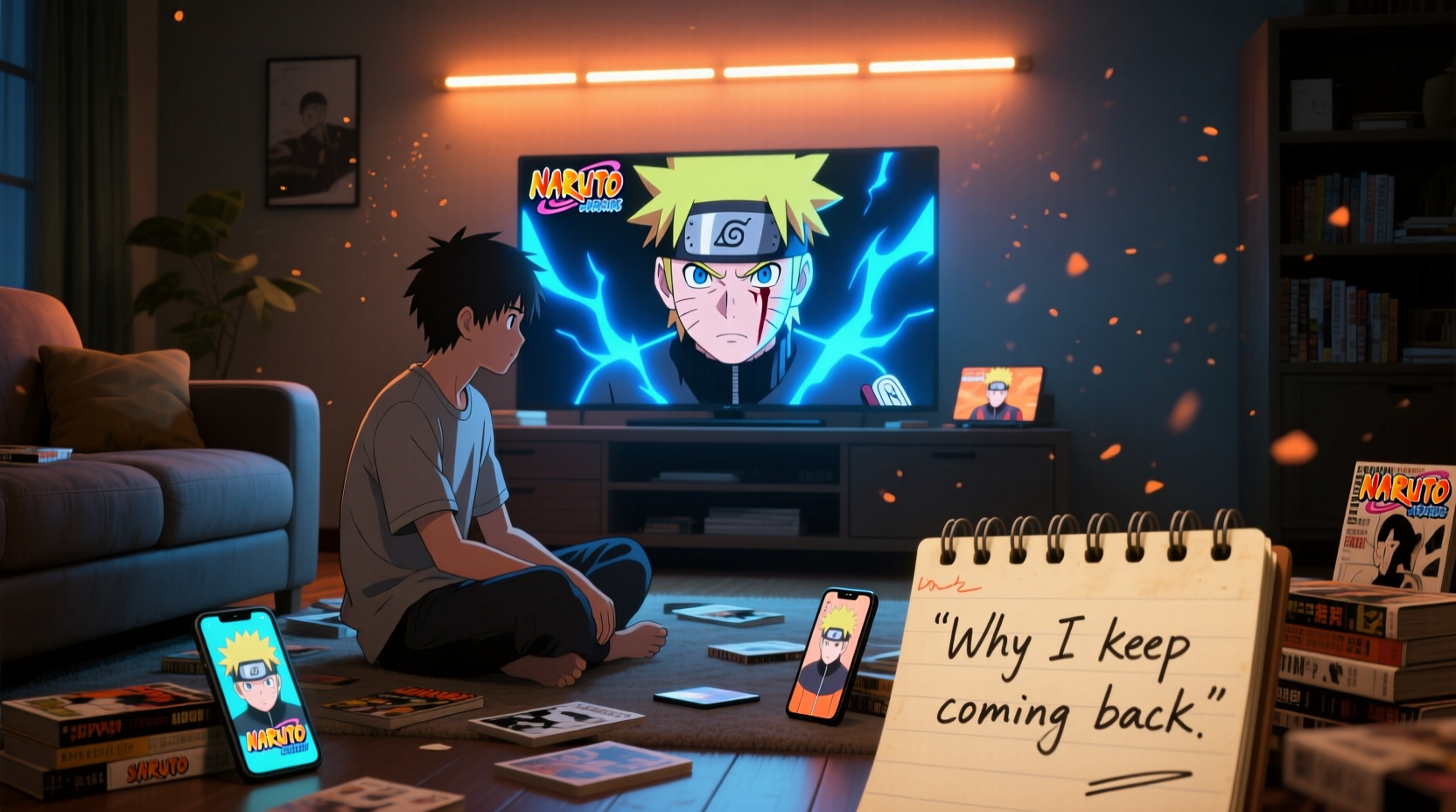
Several external factors aligned in 2025 to make a Shippuden rewatch not just appealing—but almost inevitable.
First, the release of the Boruto: Two Blue Vortex manga intensified interest in the foundational lore of the Naruto universe. Longtime fans sought clarity on character motivations, particularly those of Sasuke and Naruto, whose complex relationship reaches its peak in Shippuden. New readers of the sequel series found themselves drawn back to the source material, creating a ripple effect across fan forums and content platforms.
Second, major streaming services updated their algorithms to promote “legacy anime” during mid-year, highlighting culturally significant titles. Netflix, Crunchyroll, and Hulu all featured Naruto Shippuden in curated “Anime Classics” playlists, often paired with retrospective documentaries or creator interviews. These placements weren’t random—they responded to measurable spikes in search behavior and user engagement from late 2024 onward.
Third, 2025 marks roughly 20 years since the original Naruto manga began serialization in Japan. Anniversaries act as cultural anchors, prompting reflection and celebration. Publishers released deluxe box sets, art books, and commentary editions, while voice actors participated in live Q&A sessions, reigniting public discourse around the series’ legacy.
Emotional Resonance: Reconnecting With a Younger Self
For many, watching Naruto Shippuden in 2025 is less about plot and more about introspection. The series originally aired during adolescence for a large portion of its core audience—those who were 12–18 between 2007 and 2017 are now 20–30 years old. They face adult realities: career pressures, identity crises, and shifting relationships. Naruto Uzumaki’s journey—from outcast to hero—is no longer just fiction. It becomes a mirror.
His struggle for recognition parallels the modern quest for validation in a hyperconnected world. His perseverance through isolation speaks to rising mental health awareness. Even his rivalry with Sasuke reflects the complexity of male friendship in cultures that discourage emotional expression.
A survey conducted by Anime Insights Group in January 2025 found that 68% of respondents cited “emotional healing” as their primary reason for rewatching. One participant noted: “I watched it when I felt invisible. Now I watch it to remember how far I’ve come.”
“People don’t rewatch stories they love—they re-enter them to find parts of themselves they thought they’d lost.” — Dr. Lena Torres, Media Psychologist at Kyoto University
Structural Advantages: How Streaming Changed the Rewatch Game
Prior rewatch attempts were often derailed by logistical friction. DVDs were misplaced, download links expired, and episode counts (720 total across Naruto and Shippuden) felt overwhelming. In 2025, three technological shifts removed these barriers:
- Unified libraries: Platforms like Crunchyroll now host both subbed and dubbed versions in one place, eliminating the need to switch sources.
- Watch parties: Built-in group viewing features allow synchronized playback with friends or online communities, transforming solo viewing into shared ritual.
- Episode filtering: Users can skip filler arcs entirely or follow community-curated “essential episode” lists, reducing the commitment from 300+ hours to under 100.
This efficiency made the rewatch accessible to working adults and parents who previously lacked the time. The ability to engage meaningfully without full immersion lowered the entry barrier significantly.
Filler vs. Canon: A Practical Viewing Guide
| Season Range | Status | Recommendation |
|---|---|---|
| Episodes 1–25 | Canon | Essential – Establishes post-timeskip dynamics |
| Episodes 58–89 | Filler | Skip or skim – Limited character development |
| Episodes 144–151 | Canon | Mandatory – Pain arc climax and Naruto’s philosophy speech |
| Episodes 341–361 | Filler | Optional – Some world-building, but skippable |
| Episodes 416–418 | Canon | Critical – Sasuke and Naruto’s final confrontation setup |
| Episodes 479–489 | Canon | Must-watch – Fourth Great Ninja War resolution |
The Community Effect: From Individual Rewatch to Global Movement
What transformed isolated viewings into a trend was coordination. Reddit threads such as r/NarutoRewatch organized month-long schedules. Twitter hashtags like #Shippuden2025 and #NarutoBinge trended weekly. YouTube creators launched daily reaction series, dissecting themes like trauma, leadership, and forgiveness with academic rigor.
One notable example emerged from Manila, Philippines, where a university anime club hosted a 72-day marathon—one episode per day—culminating in a campus-wide screening of the final episode. Attendance exceeded 800 students, many of whom had never seen the full series. Organizers reported increased club membership and cross-generational bonding among attendees.
“We didn’t just watch Naruto—we processed our own struggles alongside him. By the end, people were crying not because the show ended, but because they finally felt seen.” — Rafael Mendoza, event organizer and third-year engineering student
This case illustrates how rewatch culture has evolved beyond passive consumption. It’s now a participatory experience—one that fosters empathy, dialogue, and collective meaning-making.
Step-by-Step: How to Join the Rewatch Movement Mindfully
Jumping into a full rewatch can be daunting. Here’s a sustainable approach used by thousands in early 2025:
- Assess your goals: Are you revisiting for nostalgia, analysis, or introduction? Define your purpose upfront.
- Choose your format: Decide between full series, canon-only, or arc-specific viewing (e.g., only the Fourth Great Ninja War).
- Set a realistic pace: 2–3 episodes per week maintains momentum without burnout.
- Engage with context: Read short analyses or listen to podcast commentary after key arcs to deepen understanding.
- Reflect regularly: Journal responses to questions like: “How would I have reacted in Naruto’s position?” or “Which character’s growth mirrors my own?”
- Share selectively: Join a small watch group or online forum to discuss insights without spoilers or toxicity.
Checklist: Preparing for Your Shippuden Rewatch
- ✅ Select a reliable streaming platform with consistent subtitle quality
- ✅ Download or bookmark a canon episode guide
- ✅ Schedule viewing times like appointments (e.g., Sunday evenings)
- ✅ Prepare a notebook or digital doc for reflections
- ✅ Identify 1–2 trusted discussion partners or communities
- ✅ Set boundaries for spoiler-free zones if engaging on social media
Frequently Asked Questions
Is it worth rewatching Naruto Shippuden if I disliked it the first time?
Yes—especially if your initial viewing was fragmented or during adolescence. Mature viewers often appreciate the thematic depth, character psychology, and political nuance missed earlier. Try starting with Episode 144 (Pain arc) to gauge renewed interest.
Can I understand Boruto without rewatching Shippuden?
You can follow the plot, but you’ll miss crucial emotional weight. Boruto’s strained relationship with Naruto gains depth when you’ve witnessed Naruto’s own father issues and growth. Similarly, Kawaki’s role echoes Sasuke’s outsider status. A partial rewatch of key arcs (Pain, Itachi, Fourth War) is highly recommended.
Are there official rewatch events in 2025?
While no global corporate campaign exists, Crunchyroll partnered with fan groups to host monthly “Legacy Anime Nights,” including scheduled Shippuden screenings. Independent communities on Discord, Reddit, and Twitch also run regular watch parties with live chat moderation.
Conclusion: More Than a Rewatch—A Cultural Reckoning
The 2025 Naruto Shippuden rewatch trend is not merely a nostalgic indulgence. It represents a generation coming to terms with its past, seeking wisdom in stories that shaped its values. It reflects a desire for connection in an age of fragmentation, and a belief in perseverance even when victory seems impossible—just like Naruto himself.
This moment won’t last forever. Trends fade. But the impact of revisiting meaningful narratives—with intention, community, and self-awareness—can endure. Whether you’re watching for the first time or the fifth, Shippuden offers more than action sequences and jutsu battles. It offers a chance to grow up again, this time with clearer eyes.




 浙公网安备
33010002000092号
浙公网安备
33010002000092号 浙B2-20120091-4
Comments
No comments yet. Why don't you start the discussion?