
In modern open-plan offices, ambient noise—chattering colleagues, ringing phones, clacking keyboards—can easily exceed 70–85 decibels, approaching levels that risk long-term hearing damage. Many professionals turn to earbuds to regain focus and reduce stress, but not all solutions are equal when it comes to protecting hearing. The key lies in understanding the difference between noise cancelling and noise isolating technologies—and how each affects auditory health over time.
While both aim to reduce unwanted sound, they function differently and offer varying degrees of hearing protection. Choosing the right type isn't just about comfort or productivity; it's a decision that impacts your long-term auditory well-being. This article breaks down the mechanics, benefits, and limitations of each technology, backed by expert insight and real-world scenarios, to help you make an informed choice.
How Noise Affects Hearing in Office Environments
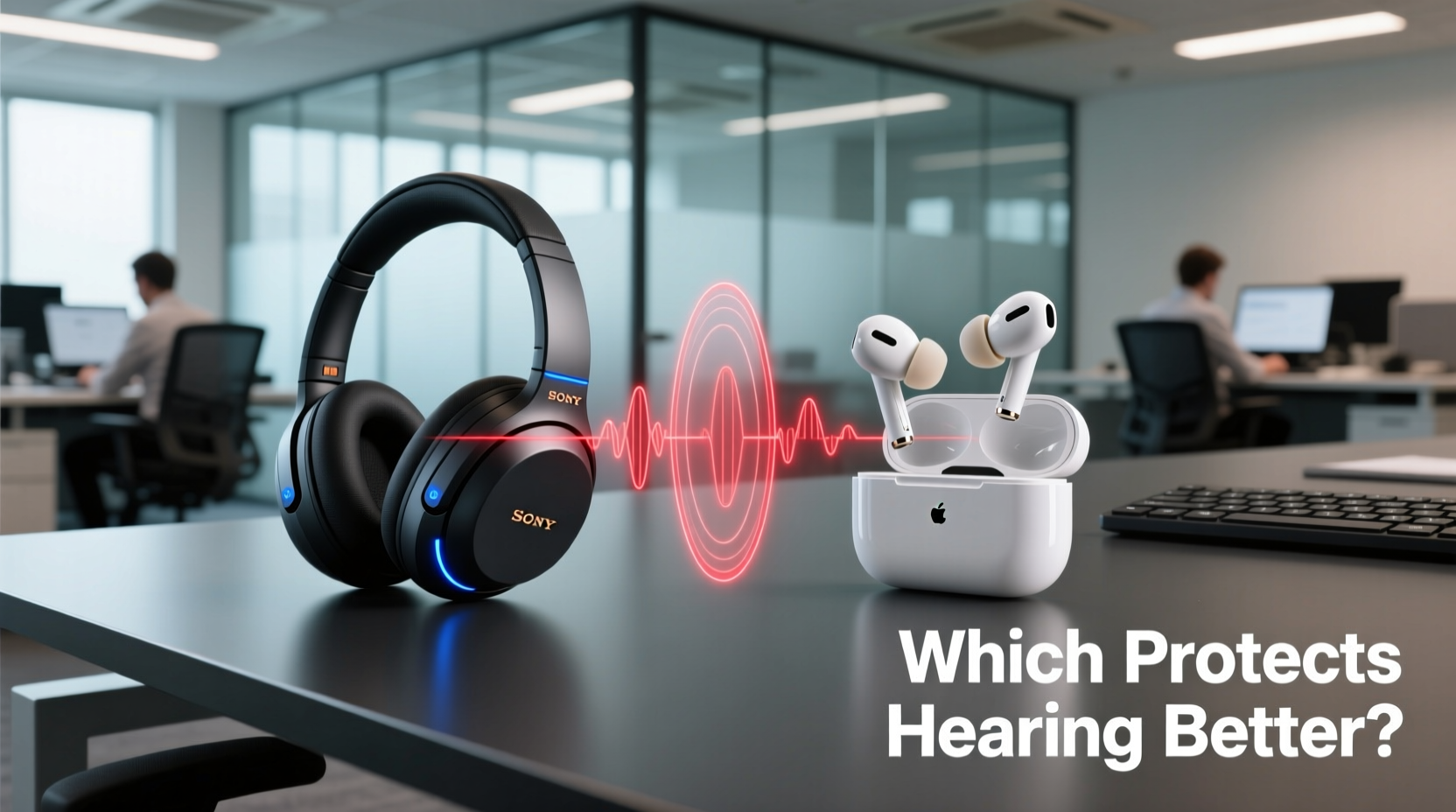
Prolonged exposure to elevated noise levels—even those below the threshold of pain—can contribute to noise-induced hearing loss (NIHL). According to the World Health Organization (WHO), continuous exposure to sounds above 85 dB for more than eight hours increases the risk of permanent hearing damage. While most office environments hover around 60–75 dB, peak noises (such as loud conversations or equipment) can spike to 85+ dB.
The danger isn’t always volume—it’s duration. Employees who spend six to eight hours daily in acoustically chaotic spaces often subconsciously raise their music or podcast volume to drown out distractions. Over time, this behavior leads to auditory fatigue and potential hearing degradation.
“Even moderate background noise can lead people to increase headphone volume to unsafe levels. Effective noise reduction at the source is critical for preventing long-term hearing issues.” — Dr. Lena Torres, Audiologist and Hearing Health Researcher
This is where earbud design becomes a frontline defense. By minimizing the need to amplify audio, both noise cancelling and noise isolating earbuds can play protective roles—but they do so through fundamentally different mechanisms.
Noise Cancelling vs. Noise Isolating: What’s the Difference?
Understanding the distinction between active noise cancelling (ANC) and passive noise isolation is essential for evaluating their impact on hearing safety.
Active Noise Cancelling (ANC)
ANC uses microphones to detect incoming ambient sound waves and generates inverse sound waves (anti-noise) to cancel them out electronically. This process, known as destructive interference, is particularly effective against low-frequency, consistent sounds like HVAC systems, traffic hum, or office air conditioning.
Modern ANC earbuds use digital signal processing (DSP) chips to adapt in real time, offering dynamic noise suppression. However, ANC is less effective against sudden, high-pitched noises such as phone alerts or human voices.
Noise Isolation (Passive Attenuation)
Noise isolation relies purely on physical barriers—the shape and material of the earbud tip—to block external sound. Foam, silicone, or custom-molded tips create a seal within the ear canal, physically preventing sound waves from reaching the eardrum. This method works across a broader frequency range, including mid- and high-frequency sounds.
Because it requires no electronics, noise isolation is inherently more reliable and consistent. Its effectiveness depends heavily on fit: a poor seal drastically reduces performance.
Comparing Hearing Protection: Which Technology Wins?
When it comes to preserving hearing, the goal is simple: minimize the need to increase listening volume. Both ANC and noise isolation help, but their strengths vary based on environment and usage patterns.
| Feature | Noise Cancelling (ANC) | Noise Isolating (Passive) |
|---|---|---|
| Mechanism | Electronic anti-noise generation | Physical sound barrier |
| Best Against | Low-frequency, constant noise (e.g., AC, fans) | Broad spectrum, especially mid/high frequencies (e.g., voices, typing) |
| Hearing Protection Efficiency | High in consistent noise environments | Consistently effective if well-fitted |
| Power Dependency | Requires battery | None |
| Risk of Overuse | Moderate (users may rely too much on ANC) | Low (natural attenuation) |
| Average Noise Reduction | 15–25 dB (low frequencies) | 20–32 dB (across frequencies) |
The data suggests that while ANC excels in specific conditions, noise isolation offers more predictable and comprehensive sound blocking. In a typical office with mixed noise types—including speech, keyboard taps, and machinery hum—passive isolation often provides superior overall attenuation.
Moreover, because ANC earbuds require power, users may disable the feature when batteries are low, suddenly exposing ears to unfiltered noise. In contrast, properly fitted isolating earbuds work consistently without maintenance or charging.
Real-World Case: The Open-Plan Office Worker
Consider Mark, a software developer working in a bustling tech startup. His desk is near the kitchen, where team members frequently chat and laugh during breaks. The office also has exposed ceilings, amplifying every footstep and phone ring. Initially, Mark used standard earbuds and found himself turning his music up to 70% volume to concentrate—often leaving work with ear fatigue.
He switched to ANC earbuds, which reduced the low hum of servers and AC. However, sudden voices and laughter still pierced through, prompting him to raise the volume intermittently. After two months, he reported mild tinnitus after long days.
Upon audiologist recommendation, Mark tried high-isolation earbuds with memory foam tips. Though they lacked ANC, the physical seal blocked 80% of mid- and high-frequency distractions. He now listens at 45% volume and reports improved focus and zero post-work ear strain.
Mark’s experience illustrates a crucial point: hearing protection isn’t just about silencing noise—it’s about reducing the *need* to compensate with louder audio. In dynamic office settings, consistent passive isolation often outperforms situational ANC.
Expert Recommendations for Hearing-Safe Listening
Leading audiologists emphasize prevention through smart device use. The American Speech-Language-Hearing Association (ASHA) recommends the “60/60 rule”: listen at no more than 60% volume for no longer than 60 minutes at a time before taking a break.
Both ANC and noise isolating earbuds support this guideline—but only when used correctly. Here are actionable steps to maximize hearing protection:
- Choose deep-insertion earbuds with multiple tip options for optimal seal.
- Avoid over-reliance on ANC—treat it as a supplement, not a substitute for good fit.
- Use volume limiters built into smartphones or apps to cap maximum output.
- Take auditory breaks every hour to prevent sensory overload.
- Monitor environmental noise with decibel meter apps to assess risk levels.
“Earbuds should enhance your environment, not isolate you from reality entirely. Complete silence can be disorienting and lead to unsafe volume habits.” — Dr. Rajiv Mehta, Director of Auditory Wellness Institute
Step-by-Step Guide to Selecting Hearing-Friendly Earbuds
Follow this five-step process to choose the safest, most effective earbuds for loud office environments:
- Assess Your Noise Profile: Use a sound meter app to log office noise levels throughout the day. Identify dominant frequencies (low hum vs. speech).
- Prioritize Fit and Seal: Look for models with interchangeable foam or silicone tips. Test for occlusion effect—your voice should sound natural, not hollow.
- Test Isolation First: Try earbuds without ANC enabled. If they block enough sound passively, ANC may be redundant.
- Evaluate ANC Quality: If choosing ANC, opt for hybrid systems with feedforward and feedback microphones for broader coverage.
- Set Volume Safeguards: Enable OS-level volume limits and avoid EQ presets that boost bass (which tempts higher volume).
Frequently Asked Questions
Can noise cancelling earbuds damage hearing?
No, ANC itself does not damage hearing. It produces anti-noise signals that cancel ambient sound and are imperceptible to the user. However, overuse at high volumes or prolonged wear can still lead to auditory fatigue. The risk lies in user behavior, not the technology.
Are noise isolating earbuds safe for all-day use?
Yes, provided they fit comfortably and aren’t used at excessive volumes. However, extended wear can cause ear canal irritation or wax buildup. Take regular breaks and maintain ear hygiene.
Do I need both ANC and noise isolation?
Ideal earbuds combine both. Physical isolation handles high-frequency noise, while ANC suppresses low-end rumble. Together, they allow lower listening volumes. But if choosing one, prioritize isolation for consistent hearing protection.
Checklist: Hearing-Safe Earbud Usage in Loud Offices
- ☑ Measure office noise levels during peak hours
- ☑ Choose earbuds with excellent passive isolation
- ☑ Test multiple ear tip sizes for secure, comfortable fit
- ☑ Enable volume limit settings on your device
- ☑ Use ANC selectively, not continuously
- ☑ Take 5-minute listening breaks every hour
- ☑ Clean ear tips weekly to prevent infections
- ☑ Monitor for signs of tinnitus or ear fullness
Conclusion: Protect Your Hearing Before It’s Too Late
The choice between noise cancelling and noise isolating earbuds isn’t just about convenience—it’s a long-term investment in your auditory health. In loud office environments, passive noise isolation often provides more reliable, consistent protection by reducing the need to crank up volume. While ANC adds value in suppressing constant low-frequency noise, it shouldn’t replace a proper physical seal.
Ultimately, the safest approach combines smart technology with responsible listening habits. Prioritize fit, control volume, and give your ears regular rest. Hearing damage is irreversible, but entirely preventable with the right tools and awareness.




 浙公网安备
33010002000092号
浙公网安备
33010002000092号 浙B2-20120091-4
Comments
No comments yet. Why don't you start the discussion?