
Slipping rugs are more than just a nuisance—they’re a safety hazard. Whether it’s a throw rug in the kitchen or an area rug anchoring your living room, an unstable rug can lead to trips, falls, and frustration. Many homeowners turn to non-slip mats or rug pads for a solution, but with so many options on the market, it’s hard to know which one truly works. Are non-slip mats just thin sheets of rubber that shift as much as the rug? Do rug pads offer long-term stability without damaging floors? Let’s break down the differences, performance factors, and real-world results to help you choose the right solution.
Understanding the Basics: What’s the Difference?
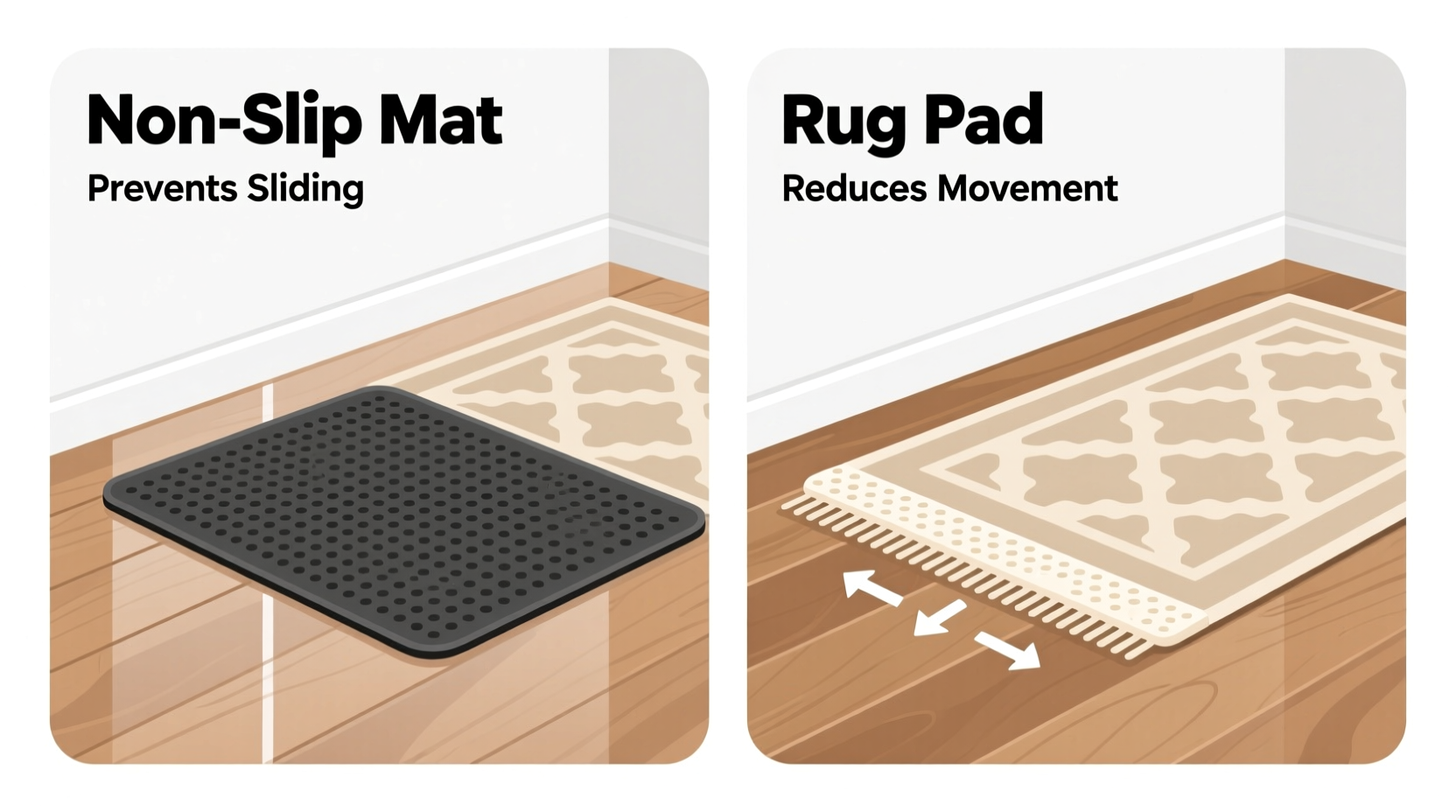
At first glance, non-slip mats and rug pads may seem interchangeable. Both aim to prevent movement between the rug and floor surface. However, their construction, materials, and intended use differ significantly.
- Non-slip mats are typically thin, flexible sheets made from rubber, silicone, or PVC. They are often cut-to-size and placed directly under small rugs or runners. These mats rely on surface tackiness to grip both the floor and the underside of the rug.
- Rug pads, on the other hand, are thicker, cushioned layers designed for full-size area rugs. Made from felt, rubber, foam, or a blend, they serve dual purposes: preventing slippage and protecting both the rug and flooring from wear.
The key distinction lies in function. Non-slip mats prioritize grip above all else, while rug pads balance grip with cushioning, noise reduction, and longevity protection.
Performance Comparison: Grip, Durability, and Floor Safety
When evaluating what actually stops a rug from sliding, three factors matter most: traction, durability, and compatibility with your flooring type.
| Feature | Non-Slip Mat | Rug Pad |
|---|---|---|
| Grip Strength | Moderate to high (depends on material) | High (especially rubber-backed or composite) |
| Thickness | Thin (1–3mm) | Medium to thick (6–12mm) |
| Floor Protection | Limited | Excellent (prevents scratches and indentations) |
| Rug Longevity Support | Minimal | Significant (reduces fiber wear) |
| Suitable Flooring Types | Hardwood, tile, laminate | All types, including delicate finishes |
| Lifespan | 6–18 months | 3–7 years |
While non-slip mats provide immediate grip, they often degrade faster and can trap moisture if not breathable. Rug pads, especially those made from natural rubber or felt-rubber composites, maintain consistent traction over time and adapt better to temperature and humidity changes.
“Rug pads do more than stop slipping—they extend the life of your rug by reducing friction during foot traffic. It’s an investment in both safety and preservation.” — Lena Patel, Interior Textile Specialist
Real-World Scenario: The Kitchen Runner Dilemma
Sarah installed a decorative jute runner in her kitchen to warm up the tile floor. Within days, the rug bunched at one end every time she walked past. She tried a clear PVC non-slip mat cut to fit. Initially, it helped—but after two weeks, the mat curled at the edges and slid slightly with each use.
Frustrated, Sarah replaced it with a 7mm felt-and-rubber rug pad, trimmed to size. The difference was immediate. The rug stayed flat, even during morning rushes with wet shoes. Six months later, there’s no sign of shifting, and the pad has also reduced the sound of footsteps—something she hadn’t anticipated.
This case illustrates a common pattern: short-term fixes like non-slip mats work temporarily but lack structural integrity. Rug pads, though initially more expensive, deliver sustained performance and added benefits.
Choosing the Right Solution: A Step-by-Step Guide
Selecting between a non-slip mat and a rug pad shouldn’t be guesswork. Follow this practical sequence to make the best decision for your space.
- Assess the rug size and weight. Rugs smaller than 5' x 8' or weighing under 15 lbs may only need a non-slip mat. Larger or heavier rugs require a full pad.
- Identify your flooring type. Hardwood and vinyl can handle rubber-based products, but some sealants react poorly to adhesives. For sensitive floors, opt for felt-only or low-emission rubber.
- Determine primary needs. Is stopping slippage the only concern? Or do you also want cushioning, noise reduction, or rug protection? If multiple needs exist, a rug pad is superior.
- Check ventilation and moisture exposure. In kitchens or bathrooms, avoid non-breathable mats that trap dampness. Choose open-cell foam or perforated rubber pads instead.
- Trim and test. Always trim the pad or mat 1–2 inches smaller than the rug to prevent edge curling. Test for a few days before final placement.
Common Mistakes to Avoid
- Using a non-slip mat under a heavy rug. Thin mats compress unevenly and lose grip, creating instability.
- Ignoring floor compatibility. Some rubber pads can stain light-colored hardwoods or leave residue on luxury vinyl.
- Overlooking rug material. Natural fibers like wool or jute benefit from cushioned pads that reduce abrasion.
- Skipping the trim step. Full coverage sounds ideal, but overhang leads to peeling and dirt buildup.
FAQ
Can I use a non-slip mat under a large area rug?
It’s not recommended. Non-slip mats lack the structural support needed for large rugs. They often slide independently or fail under pressure, defeating their purpose. Use a full rug pad instead.
Do rug pads damage hardwood floors?
High-quality rug pads designed for hardwood—such as felt-rubber blends with anti-stain properties—do not cause damage. Avoid pads with aggressive adhesives or recycled rubber that may off-gas or discolor finishes.
How long do non-slip mats last?
Most last between 6 months to 2 years, depending on foot traffic and material. Silicone and natural rubber versions tend to outlast PVC. Replace them when they start to curl, crack, or feel slippery.
Final Recommendation: When to Use Which
If you’re dealing with a small bath mat, entryway runner, or lightweight decorative rug in a low-traffic zone, a non-slip mat is a cost-effective, easy solution. Look for silicone or natural rubber versions—they offer superior grip and are less likely to degrade quickly.
For any area rug larger than 4’x6’, especially in living rooms, bedrooms, or hallways, invest in a quality rug pad. The combination of grip, cushioning, and floor protection makes it the smarter long-term choice. Composite pads with a felt top and rubber bottom strike the best balance for most homes.
Conclusion
So, which one actually stops your rug from sliding? The answer depends on context. Non-slip mats work well for small, light rugs where minimal intervention is needed. But for real, lasting stability—especially with larger or frequently used rugs—a proper rug pad is unmatched in performance and value.
Don’t settle for temporary fixes that compromise safety. Evaluate your space, understand your needs, and choose the solution that offers both immediate grip and long-term protection. Your feet—and your floors—will thank you.




 浙公网安备
33010002000092号
浙公网安备
33010002000092号 浙B2-20120091-4
Comments
No comments yet. Why don't you start the discussion?