
Nursing has long stood at the heart of healthcare systems worldwide, yet misconceptions persist about its status as a profession. Some view it as a temporary job or a stepping stone to other careers. But behind every hospital recovery, public health initiative, and community wellness program lies the disciplined expertise of nurses. Far from being merely a service role, nursing is a dynamic, knowledge-driven profession with deep ethical foundations, rigorous training, and expanding opportunities. As global health challenges evolve—from aging populations to pandemic preparedness—the demand for skilled, autonomous, and visionary nurses continues to rise.
The Professional Identity of Nursing
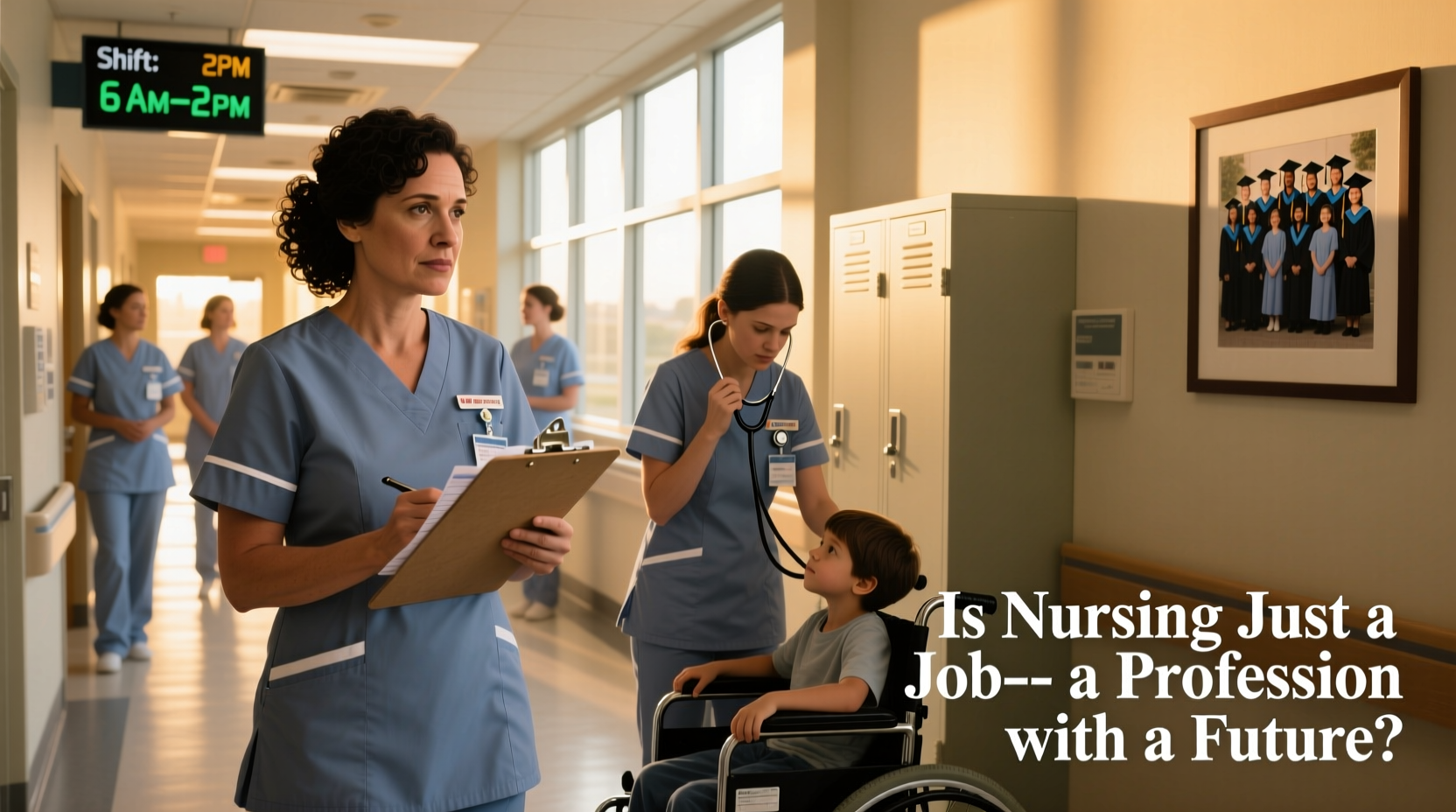
Defining a profession requires more than routine work; it demands specialized education, regulatory standards, ethical codes, and a commitment to lifelong learning. Nursing meets all these criteria. Nurses undergo structured academic programs—ranging from associate degrees to doctoral studies—and must pass licensing exams such as the NCLEX-RN in the U.S. They are governed by professional bodies like the American Nurses Association (ANA) and adhere to strict codes of ethics that emphasize patient advocacy, confidentiality, and accountability.
Unlike many occupations, nursing integrates scientific knowledge with emotional intelligence and clinical judgment. A nurse doesn’t simply follow orders—they assess, interpret, intervene, and evaluate outcomes. In intensive care units, emergency rooms, and home health settings alike, nurses make real-time decisions that directly impact survival and recovery.
“Nursing is not just about administering medication—it’s about interpreting symptoms, anticipating complications, and leading patient-centered care.” — Dr. Linda Aiken, Professor of Nursing and Health Policy, University of Pennsylvania
Evolving Career Pathways in Nursing
The idea that nursing offers limited advancement is outdated. Today, nurses can pursue diverse roles across clinical, educational, administrative, and research domains. The profession now includes advanced practice roles such as:
- Nurse Practitioners (NPs)
- Clinical Nurse Specialists (CNSs)
- Certified Registered Nurse Anesthetists (CRNAs)
- Nurse Midwives (CNMs)
- Nurse Executives and Informatics Specialists
These roles often require master’s or doctoral degrees and grant significant autonomy. For example, in over 20 U.S. states, nurse practitioners have full practice authority, allowing them to diagnose conditions, prescribe medications, and manage patient care independently—functions traditionally associated with physicians.
Global Demand and Future Outlook
According to the World Health Organization (WHO), the world will face a shortfall of nearly 6 million nurses by 2030 if current trends continue. This gap is most acute in low- and middle-income countries but is also evident in developed nations due to aging workforces and rising chronic disease rates.
Meanwhile, technological advances are reshaping nursing roles. Telehealth, electronic health records (EHRs), AI-assisted diagnostics, and wearable monitoring devices require nurses to be tech-savvy and adaptable. Nurses are increasingly involved in designing digital health tools and leading quality improvement initiatives.
| Role | Education Required | Median Annual Salary (U.S.) | Projected Job Growth (2022–2032) |
|---|---|---|---|
| Registered Nurse (RN) | Associate/Bachelor’s Degree | $81,220 | +6% (Faster than average) |
| Nurse Practitioner (NP) | Master’s or Doctoral Degree | $121,610 | +45% (Much faster than average) |
| Nurse Anesthetist (CRNA) | Doctor of Nursing Practice (DNP) | $203,090 | +9% (Faster than average) |
| Nurse Educator | Master’s or PhD | $84,000 | +5% (Steady demand) |
The data confirms: nursing isn’t just stable—it’s accelerating. With strong income potential and high job security, it stands among the most resilient professions in the modern economy.
A Real-World Example: From Bedside to Leadership
Consider Maria Thompson, a nurse from Atlanta who began her career in a medical-surgical unit after earning her BSN. Over ten years, she pursued certifications in critical care, completed a Master of Science in Nursing (MSN), and transitioned into a nurse practitioner role focusing on diabetes management. Today, she runs a community clinic in partnership with a local university, leads outreach programs, and mentors new nursing graduates.
Maria’s journey reflects a broader trend: nurses are no longer confined to hospitals. They lead clinics, shape health policy, conduct research, and serve in executive roles at major healthcare organizations. Her story underscores how nursing, when nurtured with intention and education, becomes a powerful vehicle for personal growth and societal impact.
Steps to Build a Sustainable Nursing Career
Success in nursing requires more than technical skill—it demands strategic planning. Here’s a practical timeline for building a long-term career:
- Year 1–2: Gain clinical experience in a high-acuity setting (e.g., ICU, ER) to build foundational skills.
- Year 3–5: Pursue certification in a specialty (e.g., CCRN, OCN) and consider part-time graduate study.
- Year 6–8: Complete an MSN or DNP and transition into an advanced practice or leadership role.
- Year 9–10: Engage in professional development—publish articles, speak at conferences, or join advisory boards.
- Long-Term: Mentor others, contribute to policy, or explore entrepreneurial ventures like private practice or health coaching.
Common Misconceptions About Nursing
Despite its complexity, nursing is often misunderstood. Let’s clarify some myths:
- Myth: “Nurses just assist doctors.” Reality: Nurses operate with increasing independence, especially in primary care and chronic disease management.
- Myth: “It’s too physically demanding to sustain long-term.” Reality: While bedside roles can be taxing, many nurses transition into less physically intense roles like education, consulting, or telehealth.
- Myth: “There’s no room for innovation.” Reality: Nurses are pioneers in patient safety, workflow design, and human-centered technology integration.
Frequently Asked Questions
Can nursing lead to a six-figure salary?
Yes. Advanced practice roles like nurse anesthetists, nurse practitioners in high-demand specialties, and nurse executives regularly earn over $100,000 annually. In some regions and specialties, salaries exceed $200,000.
Is nursing school worth the investment?
For most, yes. Even an associate degree in nursing (ADN) leads to employment with strong benefits and upward mobility. Bachelor’s and graduate degrees significantly increase earning potential and eligibility for leadership roles.
Can men succeed in nursing?
Absolutely. Though historically female-dominated, the number of male nurses is growing. Men excel in all areas of nursing, including critical care, anesthesia, and pediatrics. Gender diversity strengthens the profession.
Conclusion: Nursing as a Lifelong Profession
Nursing is far more than a job—it is a calling grounded in science, ethics, and service. It offers unparalleled flexibility, global relevance, and the chance to make a tangible difference every single day. With evolving scopes of practice, rising autonomy, and growing recognition of their value, nurses are shaping the future of healthcare.
Whether you're considering entering the field or already wearing the scrubs, remember this: nursing is not a stopgap. It is a legitimate, respected, and future-proof profession. The world needs more than caregivers—it needs leaders, innovators, and advocates. If you’re ready to commit, grow, and lead, nursing isn’t just a career. It’s a legacy in the making.




 浙公网安备
33010002000092号
浙公网安备
33010002000092号 浙B2-20120091-4
Comments
No comments yet. Why don't you start the discussion?