
In 2024, it might seem odd to see passionate online discussions comparing the OnePlus 6T and Samsung Galaxy Note 9. Both phones launched in late 2018—over half a decade ago. By modern standards, they’re technologically obsolete: outdated processors, limited software support, and camera systems that can’t compete with today’s mid-range devices. Yet, in niche forums, Reddit threads, and YouTube comment sections, the debate refuses to die. Why?
The answer isn’t about specs or performance. It’s about legacy, user experience, brand loyalty, and the way certain devices become cultural touchstones. The OnePlus 6T and Galaxy Note 9 represent two distinct philosophies in smartphone design—one focused on speed and value, the other on productivity and polish. Their enduring relevance lies not in their hardware, but in what they symbolized during a pivotal moment in mobile history.
The Legacy of Two Flagship Philosophies
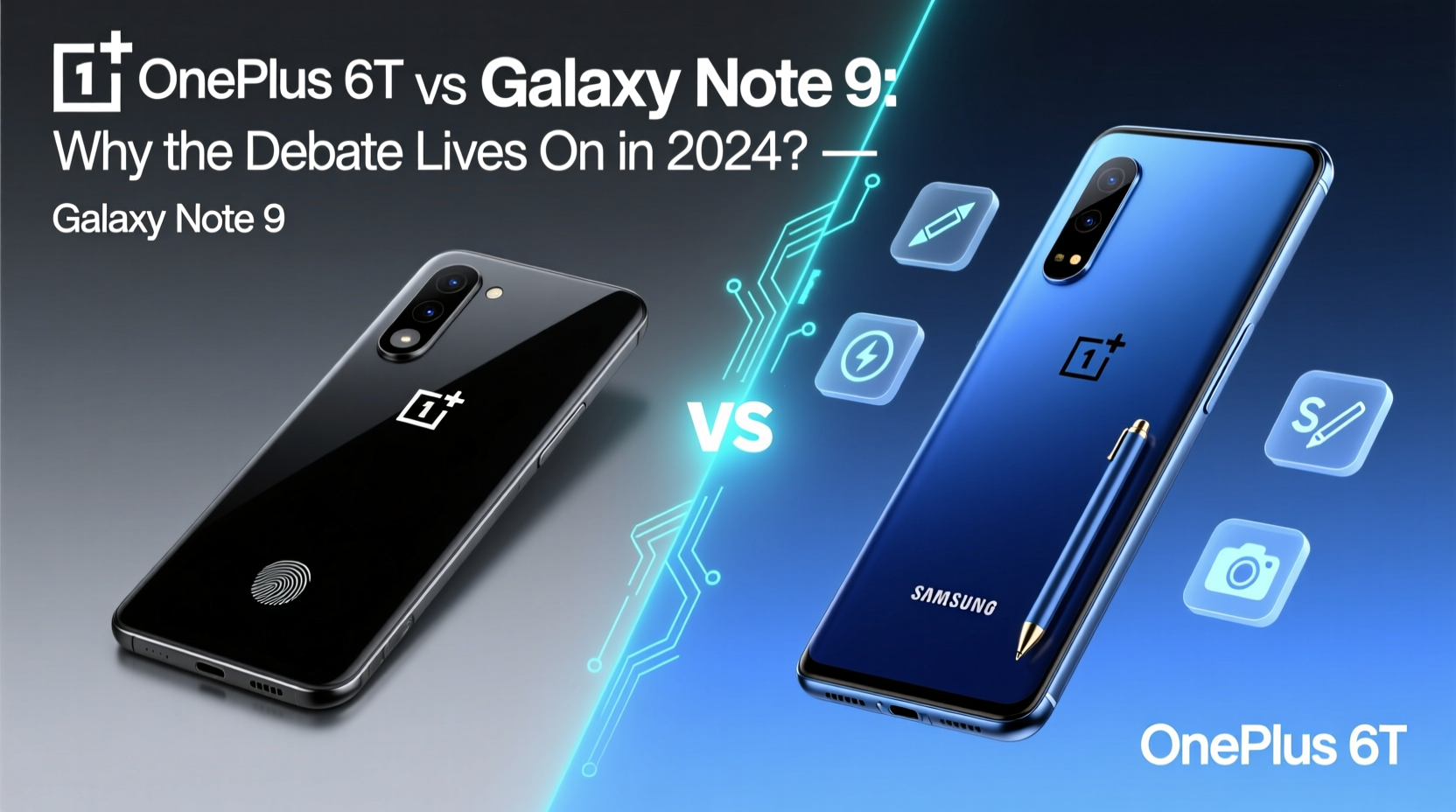
The OnePlus 6T was marketed as the “flagship killer,” delivering near-top-tier performance at a fraction of the cost of premium Android devices. With its Snapdragon 845 chipset, sleek glass body, and one of the first mass-market in-display fingerprint sensors, it offered a compelling package for enthusiasts who wanted raw power without paying $1,000.
Meanwhile, the Galaxy Note 9 stood as Samsung’s ultimate productivity powerhouse. Priced higher and built with durability and enterprise features in mind, it featured a larger 6.4-inch display, a refined S Pen with Bluetooth functionality, expandable storage, and IP68 water resistance. It wasn’t just a phone—it was a tool for creators, professionals, and multitaskers.
These differing priorities created loyal followings. OnePlus attracted users who valued customization, clean software (OxygenOS), and high refresh rate ambitions. Samsung appealed to those who relied on ecosystem integration, long-term support, and proven reliability.
“Devices like the Note 9 weren’t just phones—they were status symbols of productivity in an era when mobile work was becoming mainstream.” — Dr. Lena Patel, Tech Anthropologist, University of Michigan
Why the Debate Persists: Five Key Reasons
1. Emotional Attachment and Longevity
Many users still actively use these phones. The Note 9 received four major Android updates and security patches until 2022, while the OnePlus 6T got three OS upgrades and continued community support via custom ROMs like LineageOS. For budget-conscious consumers or minimalists, these devices remain functional for calls, messaging, and light browsing.
When a device lasts longer than expected, users form emotional bonds. Stories abound of people still using their Note 9 as a dedicated e-reader, media player, or backup device. Similarly, some OnePlus fans praise the 6T’s smooth scrolling and lack of bloatware—even today.
2. Nostalgia and the \"Golden Age\" Narrative
Among tech enthusiasts, 2017–2019 is often romanticized as the last “golden age” of smartphones. Phones had headphone jacks, repairable designs, and meaningful innovation cycle-over-cycle. The OnePlus 6T included a 3.5mm jack; the Note 9 offered microSD expansion—features routinely removed in newer models.
This nostalgia fuels comparisons. Users lament the loss of physical convenience and modularity, framing the 6T and Note 9 as the last of a dying breed. Debates aren’t really about which phone was better—they’re expressions of frustration with current industry trends.
3. Brand Loyalty and Tribalism
Smartphone communities often behave like sports fandoms. OnePlus built a cult-like following through invite-only launches, active forum engagement, and positioning itself as the “underdog.” Samsung, meanwhile, represents establishment dominance. When fans argue over five-year-old phones, they’re often defending their identity within that ecosystem.
Online echo chambers amplify these sentiments. A single viral post asking “Which aged better?” can spark weeks of discussion across platforms like X (formerly Twitter), Reddit’s r/Android, and enthusiast forums.
4. Practicality in Developing Markets
In regions where new flagships are prohibitively expensive, used 6Ts and Note 9s still circulate widely. In India, Southeast Asia, and parts of Latin America, these devices are resold at affordable prices and continue to serve millions. For many, this isn’t nostalgia—it’s necessity.
In such markets, the debate has real-world implications. Buyers compare battery life, availability of replacement parts, and local service support. The Note 9’s replaceable battery (via third-party kits) and robust build give it an edge in durability, while the 6T wins on software fluidity and upgrade path flexibility.
5. Benchmarking Historical Progress
Some comparisons serve an analytical purpose. Tech reviewers and educators use older flagships to illustrate how far smartphones have come. Comparing AI processing, camera night modes, or software optimization between 2018 and 2024 highlights advancements in machine learning and computational photography.
In this context, revisiting the 6T vs Note 9 isn’t pointless—it’s a teaching tool. It shows how far we’ve come in areas like facial recognition accuracy, app launch speeds, and battery efficiency.
Side-by-Side Comparison: OnePlus 6T vs Galaxy Note 9 (2018 Specs)
| Feature | OnePlus 6T | Galaxy Note 9 |
|---|---|---|
| Launch Price | $549 | $999 |
| Processor | Qualcomm Snapdragon 845 | Exynos 9810 / Snapdragon 845 (US) |
| RAM | 6GB / 8GB | 6GB / 8GB / 12GB |
| Storage | 128GB / 256GB (no expandable) | 128GB / 512GB + microSD support |
| Battery | 3,700 mAh | 4,000 mAh |
| Display | 6.41\" Optic AMOLED, 1080p | 6.4\" Super AMOLED, 1440p |
| Fingerprint Sensor | In-display (optical) | Rear-mounted |
| S Pen | No | Yes (Bluetooth-enabled) |
| Headphone Jack | Yes | Yes |
| Water Resistance | No official rating | IP68 |
Real-World Example: The Case of Alex Rivera
Alex Rivera, a freelance graphic designer from Manila, still uses his Galaxy Note 9 as a secondary device for client sketching. “I bought it in 2018, and even though I upgraded to a Galaxy S23, I keep the Note 9 around because the S Pen latency feels more natural to me,” he says. “Plus, I can plug in a USB-C hub and use it with a monitor. It’s not fast anymore, but for drawing, it works.”
When a friend recently tried to convince him to switch to a refurbished OnePlus 6T for similar tasks, Alex ran a side-by-side test. He found the 6T booted apps faster due to lighter OxygenOS, but missed the Note 9’s screen clarity, expandable storage, and Bluetooth S Pen controls. His verdict? “For creative work, the Note 9 still holds up better—even if it’s slower overall.”
Actionable Tips for Users Still Relying on Older Devices
- Install a privacy-focused ROM: Custom firmware like /e/ OS or LineageOS can breathe new life into old devices while improving data security.
- Limit app installations: Stick to essential apps to prevent slowdowns and storage fragmentation.
- Use cloud backups: Ensure photos and documents are synced regularly in case hardware fails.
- Replace the battery: Third-party replacements are inexpensive and can restore near-original performance.
- Disable animations: Reduce UI lag by turning off transition effects in developer settings.
Frequently Asked Questions
Can either phone run modern apps smoothly in 2024?
Basic apps like WhatsApp, Gmail, and YouTube work, but performance degrades with heavier apps like Instagram or TikTok. Video rendering, multitasking, and AR features may lag or fail entirely.
Is it safe to use these phones today?
Security is a concern. Neither device receives official security patches. Avoid storing sensitive data or using banking apps unless running a hardened OS with regular updates.
Why do some people say the OnePlus 6T “feels faster” than newer phones?
OxygenOS was known for its minimal bloat and aggressive memory management. Combined with the 90Hz display option (on later updates), it delivered a snappy tactile experience that some modern UIs—despite faster hardware—fail to replicate.
Conclusion: More Than Just a Phone, Less Than a Relic
The ongoing debate between the OnePlus 6T and Galaxy Note 9 isn’t irrational—it’s human. These devices represent choices, values, and moments in time when smartphones felt personal. They remind us of a period when innovation was visible, competition was fierce, and users had more control over their devices.
While neither phone should be anyone’s primary device in 2024, their legacy endures. Whether you favored the 6T’s speed or the Note 9’s versatility, the conversation keeps alive a broader dialogue about what we want from technology: affordability, longevity, utility, or all three.




 浙公网安备
33010002000092号
浙公网安备
33010002000092号 浙B2-20120091-4
Comments
No comments yet. Why don't you start the discussion?