
In 2019, smartphone buyers faced a pivotal decision: stick with the high-value flagships from emerging brands like OnePlus, or go all-in with Samsung’s latest Galaxy S10 Plus. The OnePlus 6T had built a loyal following for its near-stock Android experience, aggressive pricing, and flagship specs. Meanwhile, the Galaxy S10 Plus represented Samsung’s engineering peak—refined design, advanced camera systems, and ecosystem integration. Fast-forward five years, and the question remains relevant: Looking back, was upgrading from a device like the 6T to the S10 Plus truly worth it?
This isn’t just about raw specs or launch-day excitement. It’s about real-world longevity, software support, user satisfaction over time, and whether the premium paid translated into lasting value. Let’s dissect both devices through that lens.
Design and Build: Premium vs Practical
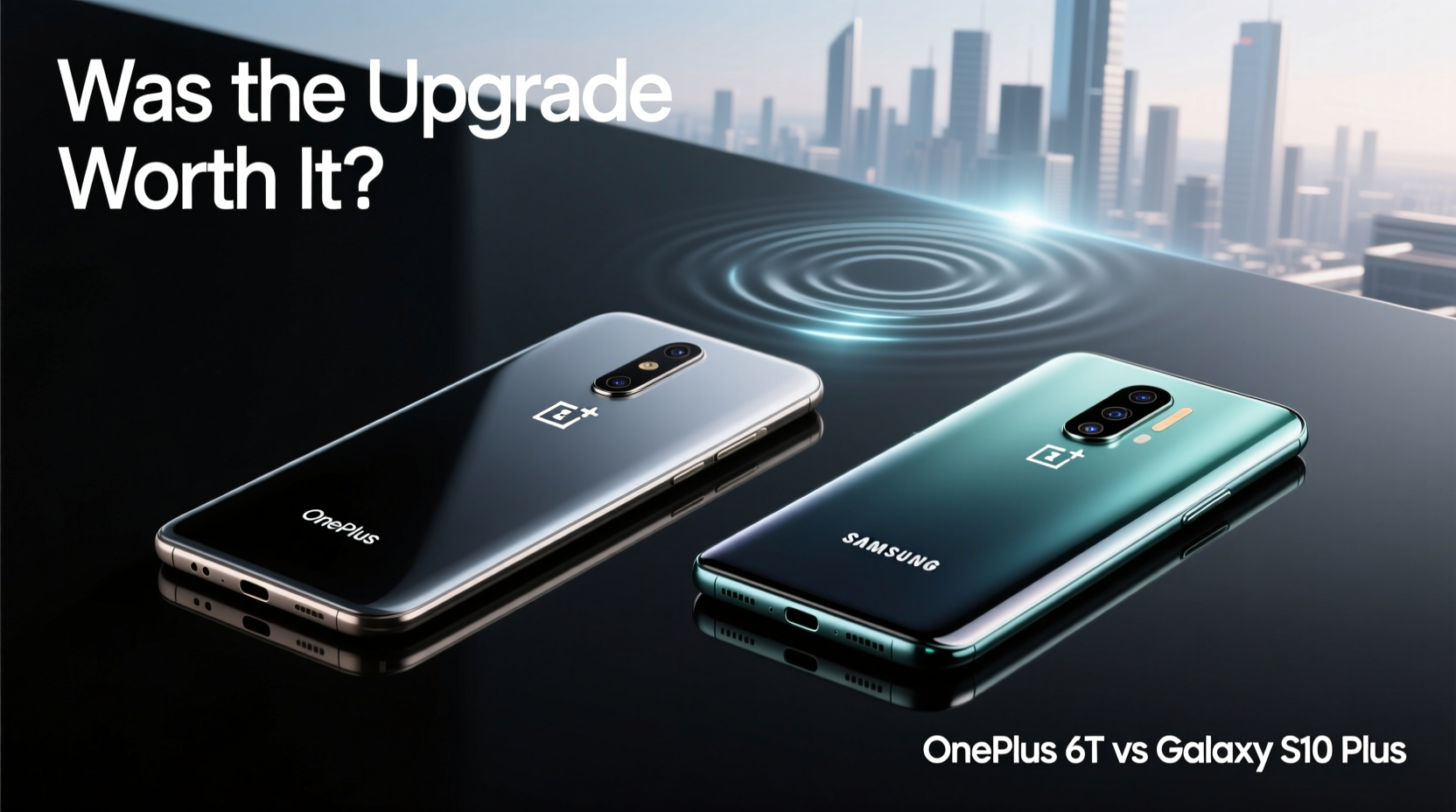
The Galaxy S10 Plus introduced a sleek, curved glass design with an ultrasonic in-display fingerprint sensor and a dynamic AMOLED display. Its dual front cameras and hole-punch cutout were cutting-edge at the time. The build quality was unmistakably premium, using Gorilla Glass 5 and an IP68 rating—something the OnePlus 6T lacked entirely.
In contrast, the OnePlus 6T featured a more utilitarian design: flat glass, a waterdrop notch, and an optical fingerprint sensor under the screen. While it felt solid in hand, it didn’t have dust or water resistance, which became a noticeable gap when comparing daily durability.
From a long-term perspective, the S10 Plus’s IP68 rating proved valuable. Accidental spills, rain exposure, or bathroom use didn’t trigger panic. The 6T demanded more careful handling—a trade-off for its lower price.
Performance and Software Longevity
Both phones launched with top-tier Snapdragon 845 (6T) and 855 (S10 Plus) chipsets. On paper, the S10 Plus had a slight edge, but in daily use, both handled multitasking, gaming, and app launches smoothly through 2021.
Where they diverged sharply was software support. Samsung committed to three major Android updates for the S10 series, meaning it received upgrades up to Android 12. OnePlus promised two major updates for the 6T, delivering up to Android 10. By 2022, the 6T was stuck on an outdated OS, while the S10 Plus still received security patches and feature drops.
This difference impacted not just security but also app compatibility. As developers optimized for newer APIs, apps like banking services, streaming platforms, and productivity tools began phasing out support for older Android versions. Users of the 6T started hitting functional walls long before hardware failure.
“Software support is now as critical as battery life when judging a phone’s lifespan.” — David Ng, Mobile Analyst at TechInsight Weekly
Camera Comparison: Innovation vs Consistency
The Galaxy S10 Plus shipped with a triple rear setup: 12MP main, 12MP telephoto, and 16MP ultra-wide. This flexibility gave users creative control—especially in landscape and group shots. Its front dual-camera system enabled depth-aware selfies and better low-light performance.
The OnePlus 6T, by comparison, had a dual rear camera (16MP + 20MP) without ultra-wide capability. While color accuracy and detail were strong in daylight, low-light performance lagged, and the lack of versatile framing options became apparent once users experienced ultra-wide lenses.
Over time, computational photography widened the gap. Samsung’s AI-powered scene optimizer, Night Mode, and HDR+ enhancements improved with each update. OnePlus improved its algorithms, but without dedicated hardware diversity, it couldn’t match the S10 Plus’s adaptability.
| Feature | OnePlus 6T | Galaxy S10 Plus |
|---|---|---|
| Rear Cameras | Dual: 16MP + 20MP | Triple: 12MP + 12MP + 16MP |
| Front Camera | 16MP (notch) | 10MP + 8MP (hole-punch) |
| Ultra-Wide Lens | No | Yes |
| Night Mode | Late addition via update | Optimized from launch |
| Video Recording | 4K@30fps | 4K@60fps with stabilization |
Real-World Example: Two Users, Two Paths
Consider two users in early 2019: Alex upgraded from a OnePlus 5T to the 6T, prioritizing clean software and fast charging. Jamie moved from an iPhone 7 to the Galaxy S10 Plus, drawn by the display, camera, and wireless charging.
By 2021, Alex still loved the near-stock OxygenOS experience but noticed increasing friction—apps crashing, slower camera processing, and no Android 11. The phone worked, but it felt outdated. Jamie, meanwhile, enjoyed continued updates, improved camera modes, and seamless integration with Galaxy Buds and a Note tablet.
When both considered replacements in 2022, Alex sold the 6T for $75. Jamie sold the S10 Plus for $120—despite both being three-year-old devices. The premium upfront cost had partially recouped through longer usability and stronger resale.
Battery Life and Charging: Diminishing Returns
The OnePlus 6T packed a 3700mAh battery with Dash Charge (5V/4A), offering rapid top-ups—ideal for power users. The S10 Plus had a slightly larger 4100mAh cell but slower Adaptive Fast Charging. However, Samsung included wireless charging and reverse wireless charging, letting users power accessories like earbuds directly from the phone.
After two years, battery degradation patterns differed. The 6T’s aggressive fast charging led to faster capacity loss in some units. Samsung’s adaptive charging learned usage patterns and slowed overnight charging to preserve longevity—a feature absent on the 6T.
Was the Upgrade Worth It? A Checklist for Reflection
For anyone weighing a similar decision today, consider this checklist based on lessons from the 6T vs S10 Plus era:
- Do I need IP-rated durability? If you live an active lifestyle, yes.
- How long do I plan to keep the phone? Over two years? Prioritize software support.
- Is camera versatility important? Ultra-wide and telephoto lenses add lasting value.
- Do I own other devices in the ecosystem? Samsung, Apple, or Google ecosystems amplify utility.
- What’s my budget flexibility? Paying more upfront can reduce total cost of ownership over time.
Frequently Asked Questions
Did the OnePlus 6T receive Android 11?
No. OnePlus delivered only two major OS updates for the 6T, capping it at Android 10. Security patches ended in 2021.
Can the Galaxy S10 Plus still run modern apps smoothly?
In 2024, it struggles with demanding games and heavy multitasking, but handles everyday apps like messaging, browsing, and email adequately—provided it’s well-maintained.
Which phone held battery life better over time?
The S10 Plus generally maintained capacity longer due to adaptive charging and better thermal management during fast charging cycles.
Final Verdict: Value Beyond the Price Tag
On launch day, the OnePlus 6T offered exceptional value. For $550, it delivered 90% of the flagship experience. The Galaxy S10 Plus, starting at $900, felt expensive by comparison. But value isn’t just initial cost—it’s cost per year of usable life.
The S10 Plus lasted longer, updated longer, and retained functionality deeper into its lifecycle. It supported modern apps, secure transactions, and high-quality media creation well into 2022. The 6T, while reliable, became functionally obsolete sooner—not because it broke, but because the digital world moved on.
If your goal is to maximize usability across three years or more, the upgrade to the S10 Plus was objectively worth it. You weren’t just buying better hardware—you were buying time, security, and relevance.
Today’s market repeats this pattern. Budget and mid-range phones are impressive, but long-term thinkers should weigh software commitment, ecosystem benefits, and durability just as heavily as specs and price.




 浙公网安备
33010002000092号
浙公网安备
33010002000092号 浙B2-20120091-4
Comments
No comments yet. Why don't you start the discussion?