
As temperatures rise and summer approaches, sandals become a wardrobe staple for millions. But one question persists: should you go with open-toe or closed-toe designs? While open-toe sandals dominate fashion spreads and beach destinations, closed-toe styles are gaining traction for their support and protection. The debate isn’t just about aesthetics—it touches on comfort, foot health, versatility, and even safety. Understanding the real trade-offs helps you decide whether open toes are truly worth it—or if a more covered design might better serve your lifestyle.
Comfort and Breathability: The Open-Toe Advantage
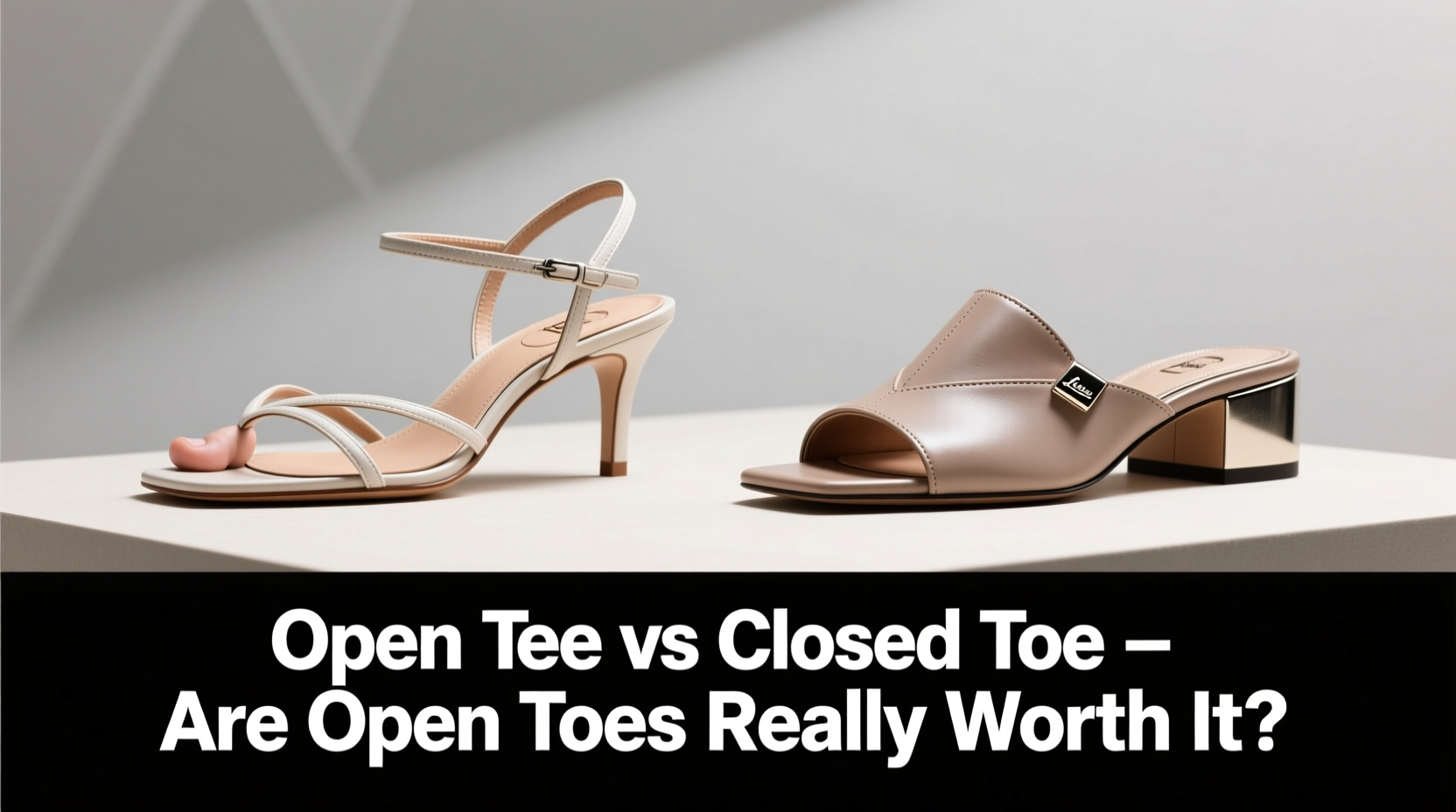
One of the most compelling reasons people choose open-toe sandals is breathability. When your toes are exposed, air circulates freely, reducing sweat buildup and minimizing odor. This makes open-toe styles ideal for hot climates, long walks, or outdoor events where ventilation matters.
Many podiatrists agree that allowing toes to move independently can improve natural gait mechanics. “When toes aren’t confined, they engage more actively in balance and propulsion,” says Dr. Lena Torres, a podiatric specialist based in Miami. “This can reduce strain on other parts of the foot.”
However, breathability comes with a caveat. Without protection, toes are vulnerable to stubbing, sunburn, or accidental contact with rough surfaces. People who walk frequently on uneven terrain or spend time in crowded areas may find this exposure inconvenient or even painful over time.
Support and Stability: Where Closed-Toe Sandals Shine
Closed-toe sandals often feature structured uppers, padded collars, and secure straps that wrap around the foot. These elements contribute to better arch support and heel stability—key factors for those dealing with flat feet, plantar fasciitis, or prolonged standing.
Unlike flip-flops or minimalist thong sandals, many closed-toe options (like sport sandals from brands such as Teva or Keen) include contoured footbeds and shock-absorbing soles. They’re engineered for activity, making them suitable for hiking, travel, or city exploration.
In contrast, traditional open-toe designs often prioritize style over structure. Strappy gladiators or flat slides may look elegant but offer minimal midfoot support. Overuse can lead to overpronation or Achilles tendon strain, especially when worn for extended periods.
“Footwear that provides containment and cushioning reduces biomechanical stress. For active lifestyles, closed-toe sandals are often the smarter medical choice.” — Dr. Rajiv Mehta, Podiatry & Gait Analysis Specialist
Style Versatility: Fashion Meets Function
Fashion plays a major role in sandal selection. Open-toe sandals dominate warm-weather trends—from sleek mules to strappy heels—because they showcase pedicures and elongate the leg line. Designers favor open toes for their visual lightness and summery appeal.
That said, closed-toe sandals have evolved beyond clunky orthopedic models. Modern versions blend sleek silhouettes with breathable mesh panels, offering both coverage and airflow. Neutral-toned block-heel closed sandals now appear regularly in office-appropriate wardrobes, bridging the gap between professionalism and seasonal comfort.
Consider your environment: open toes work well at resorts, rooftop bars, or casual outings. Closed toes suit environments requiring modesty or polish—such as workplaces, religious sites, or formal garden parties.
Styling Tips by Occasion
- Beach vacation: Open-toe flip-flops or slide sandals for easy sand removal.
- City walking tour: Closed-toe sport sandals with ankle support.
- Evening dinner: Open-toe block heels with delicate straps.
- Office wear: Closed-toe slingbacks with low heels and leather uppers.
Foot Health and Long-Term Impact
The way you treat your feet today affects mobility and comfort years down the line. Repeated use of poorly supported open-toe sandals can contribute to common conditions like hammertoes, bunions, or metatarsalgia due to unnatural weight distribution.
Closed-toe sandals generally distribute pressure more evenly across the foot. Many include features like:
- Adjustable straps for customized fit
- Deep heel cups for alignment
- Toe guards to prevent injury
Still, not all closed designs are created equal. Poorly ventilated materials or tight toe boxes can cause blisters, fungal infections, or calluses. Look for breathable linings like microfiber or treated canvas to maintain hygiene.
Checklist: Choosing the Healthiest Sandal
- Ensure the sole has slight flexibility but resists twisting.
- Check that the heel cup is firm and doesn’t collapse.
- Confirm there’s a half-inch space between your longest toe and the front.
- Verify straps are adjustable and don’t pinch.
- Look for cushioned insoles or EVA foam padding.
Practical Comparison: Open vs Closed Toe Sandals
| Feature | Open-Toe Sandals | Closed-Toe Sandals |
|---|---|---|
| Breathability | ★★★★★ | ★★★☆☆ |
| Foot Protection | ★☆☆☆☆ | ★★★★★ |
| Arch Support | ★★☆☆☆ (varies widely) | ★★★★☆ |
| Fashion Appeal | ★★★★★ | ★★★★☆ |
| Versatility | ★★★☆☆ | ★★★★★ |
| Suitable for Walking | ★★☆☆☆ | ★★★★★ |
Real-World Example: A Traveler’s Dilemma
Sophie, a freelance photographer from Portland, planned a two-week trip through Morocco. She packed her favorite open-toe leather sandals for their elegance and comfort. By day three, she’d stubbed her toe twice on cobblestones, developed a blister from constant strap friction, and felt self-conscious entering mosques where covered footwear was required.
She bought a pair of closed-toe leather sandals in Marrakech—simple, breathable, and modest. Though less stylish, they protected her feet during long market walks and were accepted in religious spaces. “I underestimated how much terrain and cultural norms would influence my shoe choice,” she later wrote in her travel blog. “Next time, I’ll pack both—but start with the practical pair.”
FAQ: Common Questions About Sandal Choices
Can open-toe sandals cause long-term foot damage?
Prolonged use of unsupportive open-toe sandals—especially flat flip-flops—can contribute to issues like plantar fasciitis, tendonitis, or misalignment. However, well-designed open styles with arch support and cushioning pose minimal risk when worn occasionally or for short durations.
Are closed-toe sandals too hot for summer?
Not necessarily. Many modern closed-toe sandals use perforated leather, mesh panels, or moisture-wicking fabrics to enhance airflow. Look for models labeled “breathable” or “ventilated” to stay cool without exposing your toes.
Is it okay to wear open-toe sandals to work?
This depends on workplace culture. In creative or relaxed environments, polished open-toe styles (like leather mules or dressy slides) are often acceptable. Conservative offices may require closed toes or prohibit sandals altogether. When in doubt, opt for closed-toe professional sandals to avoid policy violations.
Final Verdict: Are Open Toes Really Worth It?
Open-toe sandals offer undeniable appeal—style, freedom, and ventilation that make them perfect for certain occasions. But calling them universally “worth it” overlooks real functional drawbacks. For lounging, beach days, or evening outings, they excel. Yet for activity, protection, and long-term foot health, closed-toe alternatives often deliver superior value.
The smartest approach isn’t choosing one over the other—it’s building a rotation. Own a supportive closed-toe pair for walking and work, and keep a stylish open-toe option for moments when fashion and airflow matter most. Your feet will thank you for the balance.




 浙公网安备
33010002000092号
浙公网安备
33010002000092号 浙B2-20120091-4
Comments
No comments yet. Why don't you start the discussion?