
Otezla (apremilast) is a prescription medication primarily used to treat moderate to severe plaque psoriasis and active psoriatic arthritis. As a phosphodiesterase 4 (PDE4) inhibitor, it works by modulating the immune system to reduce inflammation. While its efficacy in managing skin and joint symptoms is well-documented, an increasing number of patients have reported unintended weight loss during treatment. This article explores the documented link between Otezla and weight changes, examines clinical evidence, discusses potential mechanisms, and offers guidance for individuals navigating this side effect.
Understanding Otezla: Mechanism and Approved Uses
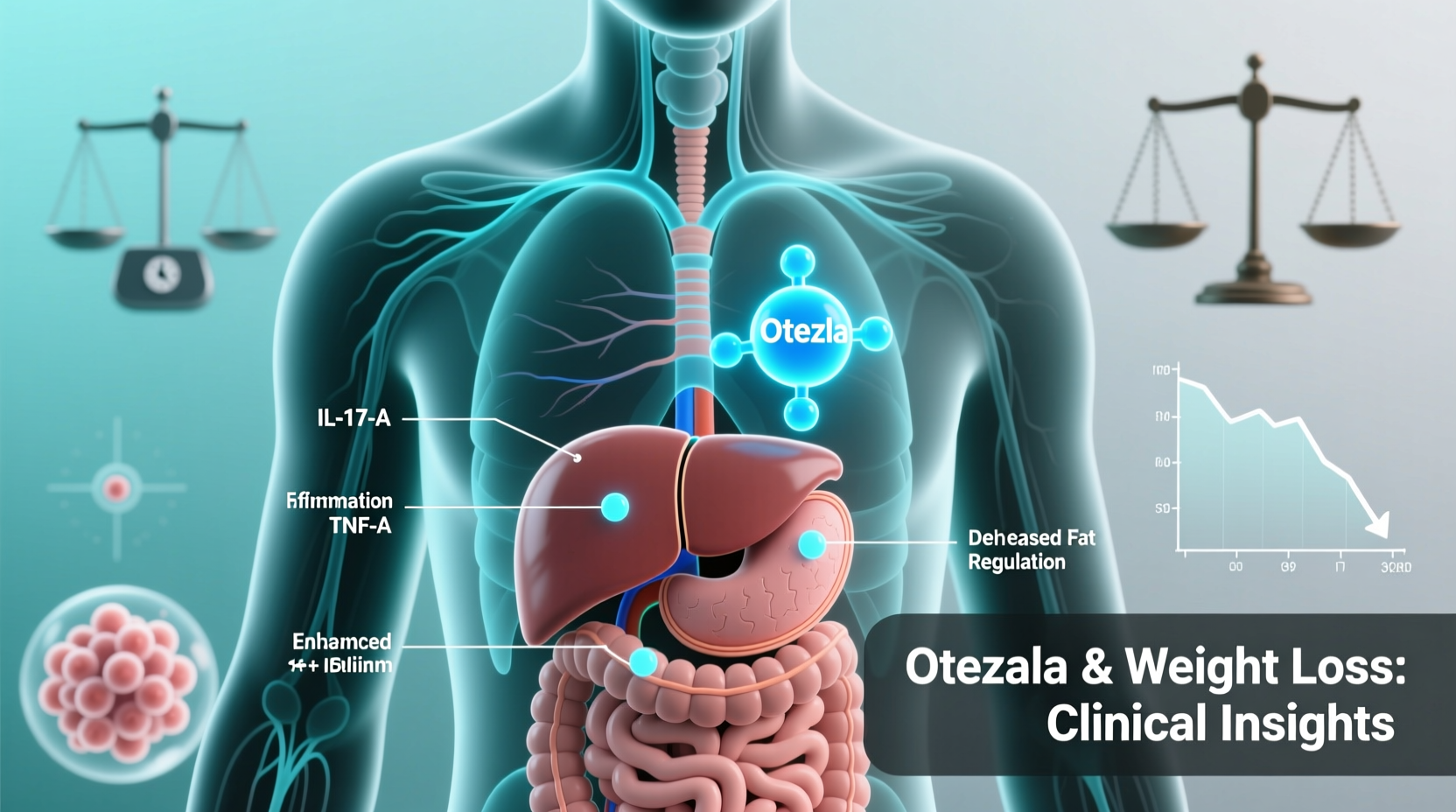
Otezla was approved by the U.S. Food and Drug Administration (FDA) for the treatment of adult patients with moderate to severe plaque psoriasis who are candidates for phototherapy or systemic therapy. It is also indicated for those with active psoriatic arthritis. Unlike biologics that target specific immune proteins, Otezla works intracellularly by inhibiting PDE4, an enzyme involved in the production of pro-inflammatory mediators. By reducing these inflammatory signals, Otezla helps alleviate symptoms such as joint pain, swelling, and skin plaques.
The standard dosing regimen begins at 10 mg once daily, gradually increasing over five days to the maintenance dose of 30 mg twice daily. Because it is an oral medication, many patients prefer it over injectable biologics due to ease of administration.
Clinical Evidence Linking Otezla to Weight Loss
Weight loss emerged as a notable side effect during Otezla’s clinical trials. In multiple phase III studies, including ESTEEM 1 and ESTEEM 2, a significant proportion of patients experienced a reduction in body weight compared to placebo groups.
| Trial Name | Patient Group | Average Weight Loss (Otezla) | Average Weight Loss (Placebo) | Duration |
|---|---|---|---|---|
| ESTEEM 1 | Plaque Psoriasis | 1.6 kg (~3.5 lbs) | 0.3 kg (~0.7 lbs) | 52 weeks |
| ESTEEM 2 | Plaque Psoriasis | 1.8 kg (~4 lbs) | 0.5 kg (~1.1 lbs) | 52 weeks |
| PALACE Trials | Psoriatic Arthritis | 1.5–2.0 kg (~3.3–4.4 lbs) | 0.4 kg (~0.9 lbs) | 24–52 weeks |
Approximately 10–15% of patients in these trials lost more than 5% of their baseline body weight—a threshold often considered clinically significant. Most weight loss occurred within the first few months of treatment and tended to plateau thereafter. Importantly, weight gain was rare, and no substantial rebound weight gain was observed after discontinuation in trial settings.
Potential Mechanisms Behind Otezla-Induced Weight Loss
The exact biological pathway linking Otezla to weight loss remains under investigation, but several plausible mechanisms have been proposed:
- Appetite suppression: PDE4 inhibition affects brain regions involved in appetite regulation. Some patients report decreased hunger, particularly during the initial titration phase.
- Gastrointestinal side effects: Common early side effects include nausea, diarrhea, and abdominal discomfort—symptoms that can reduce food intake temporarily.
- Metabolic modulation: Emerging research suggests PDE4 plays a role in adipocyte (fat cell) function and energy metabolism, though this area requires further study.
- Reduced systemic inflammation: Chronic inflammation is linked to metabolic dysregulation. By lowering inflammatory burden, Otezla may indirectly influence weight homeostasis.
Unlike intentional weight-loss drugs, Otezla does not directly target appetite hormones like GLP-1. However, its indirect effects on digestion and satiety contribute to the observed trend.
“While not a weight-loss drug, Otezla consistently demonstrates modest but measurable weight reduction in clinical practice. For some patients, especially those with obesity and psoriasis, this can be a beneficial secondary effect.” — Dr. Rebecca Nguyen, Dermatology Specialist and Clinical Researcher
Who Is Most Affected? Risk Factors and Patient Profiles
Not all patients experience weight loss while taking Otezla. Certain factors increase the likelihood:
- Patients with higher baseline BMI may lose more weight initially.
- Individuals sensitive to gastrointestinal side effects are more prone to reduced caloric intake.
- Older adults or those with pre-existing low body weight should be monitored closely.
- Patients on concomitant medications affecting appetite or digestion may see amplified effects.
A mini case study illustrates this variability:
Mini Case Study: Maria’s Experience with Otezla
Maria, a 48-year-old woman with moderate plaque psoriasis and psoriatic arthritis, started Otezla after failing topical therapies. At initiation, she weighed 86 kg (189 lbs). Within the first two weeks, she experienced mild nausea and reduced appetite, leading to skipping meals. By week eight, she had lost 4.5 kg (10 lbs), which concerned her primary care provider. After nutritional counseling and adjusting meal timing around doses, her appetite stabilized. She maintained a final weight of 82 kg (181 lbs) at six months, reporting improved mobility and fewer joint flares. Her dermatologist noted marked improvement in PASI scores, and Maria chose to continue Otezla despite the weight change.
Managing Weight Changes: A Step-by-Step Guide
If you're starting or already taking Otezla and notice weight loss, consider the following steps to manage it effectively:
- Track your weight regularly: Weigh yourself once a week at the same time of day using the same scale.
- Monitor dietary intake: Keep a simple food diary for the first month to assess calorie consumption and identify patterns.
- Adjust dosing timing: Take Otezla with food, preferably in the evening, to minimize nausea and preserve daytime appetite.
- Optimize nutrition: Focus on small, frequent, nutrient-dense meals rich in protein and healthy fats.
- Consult your healthcare provider: Report any weight loss exceeding 5% of your body weight within three months.
- Consider temporary hold: In cases of excessive or concerning weight loss, your doctor may recommend pausing or discontinuing Otezla.
Do’s and Don’ts When Using Otezla
| Do’s | Don’ts |
|---|---|
| Take Otezla with food to reduce GI upset | Ignore persistent nausea or vomiting |
| Stay hydrated and eat balanced meals | Stop the medication abruptly without consulting your doctor |
| Report significant weight changes promptly | Assume weight loss is harmless without evaluation |
| Use the titration schedule as directed | Double dose if you miss one |
Frequently Asked Questions
Can Otezla cause weight gain?
No, weight gain is not a typical side effect of Otezla. The majority of clinical data point toward neutral or reduced weight. Some patients stabilize after initial loss, but meaningful weight gain during treatment is uncommon.
Is the weight loss from Otezla permanent?
Not necessarily. Many patients regain some weight after stopping Otezla, especially if appetite returns to normal. However, sustained lifestyle changes made during treatment may lead to lasting weight management benefits.
Should I stop Otezla if I’m losing weight?
Not automatically. Mild weight loss (less than 5% of body weight) is generally safe and may even be beneficial for some. However, discuss any concerns with your doctor. Unintended weight loss in underweight individuals or those with eating disorders warrants careful evaluation.
Conclusion: Balancing Benefits and Side Effects
Otezla offers a valuable oral treatment option for patients with psoriasis and psoriatic arthritis. While its anti-inflammatory benefits are clear, the association with weight loss adds a layer of complexity to treatment decisions. For overweight patients, modest weight reduction may complement overall health improvements. For others, particularly those with low body weight or appetite issues, it may pose a challenge.
Open communication with your healthcare provider, proactive monitoring, and individualized care are essential. Understanding the connection between Otezla and weight changes empowers patients to make informed choices about their treatment journey.




 浙公网安备
33010002000092号
浙公网安备
33010002000092号 浙B2-20120091-4
Comments
No comments yet. Why don't you start the discussion?