
Oysters have long been whispered about in romantic settings, served on ice at candlelit dinners with a knowing glance. Revered since ancient times for their supposed power to ignite passion, these briny bivalves are often crowned the ultimate aphrodisiac. But is there real science behind the myth, or is it all just poetic folklore? To understand whether oysters truly enhance libido, we need to explore their nutritional profile, historical reputation, physiological effects, and what modern research says about their impact on sexual health.
The Historical Allure of Oysters
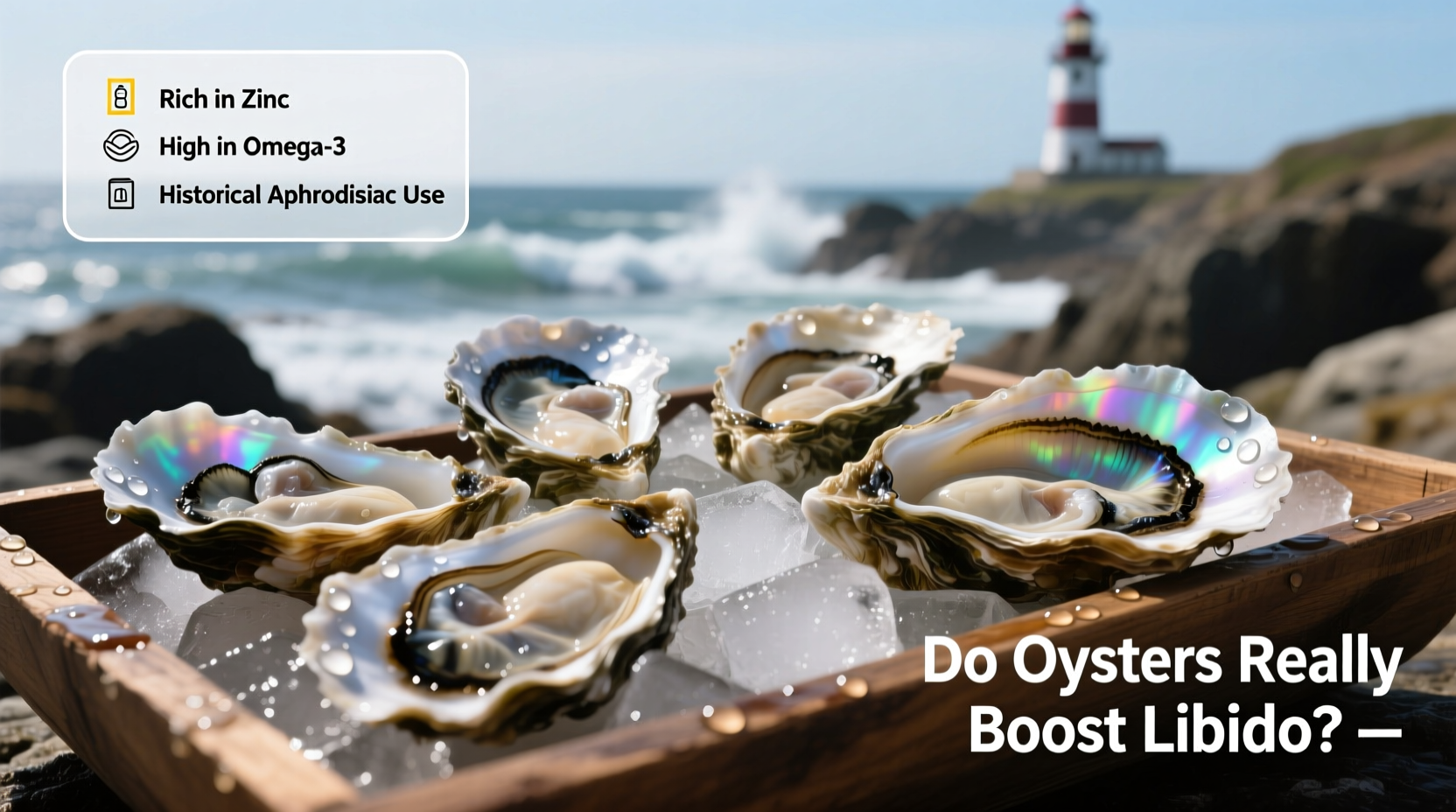
The belief that oysters stimulate desire dates back centuries. The Roman naturalist Pliny the Elder claimed oysters could \"awaken love\" in those who consumed them. In the 18th century, the infamous lover Giacomo Casanova reportedly began each day with 50 raw oysters—a ritual he credited for his legendary stamina and charm. Across cultures, from French salons to Japanese banquets, oysters have maintained their status as a sensual indulgence.
This enduring reputation isn’t based solely on anecdote. The shape of the oyster—soft, glistening, and nestled in a shell reminiscent of intimate anatomy—has contributed to its symbolic association with fertility and eroticism. But beyond symbolism, there may be biochemical reasons why eating oysters could influence arousal and sexual function.
Nutritional Powerhouse: What’s Inside an Oyster?
Oysters aren't just rich in mystique—they're packed with nutrients essential for hormonal balance and sexual health. A single serving (about six medium oysters) delivers a powerful punch of key micronutrients:
| Nutrient | Amount per 6 Medium Oysters | Role in Sexual Health |
|---|---|---|
| Zinc | ~30–40 mg (over 300% DV) | Crucial for testosterone production, sperm quality, and libido in both men and women |
| Vitamin B12 | ~15 mcg (600% DV) | Supports energy metabolism and nervous system function linked to arousal |
| Selenium | ~90 mcg (160% DV) | Antioxidant that protects reproductive cells and supports hormone regulation |
| Iron | ~7 mg (40% DV) | Improves oxygen delivery and reduces fatigue, which can affect sexual stamina |
| DHA & EPA (Omega-3s) | Moderate levels | Promote blood flow and reduce inflammation, supporting erectile function and arousal |
Zinc, in particular, stands out. Deficiency in zinc has been directly linked to low testosterone levels, reduced sperm count, and diminished libido. Because oysters contain more zinc per gram than any other food, they offer a potent dietary source for maintaining healthy sexual physiology.
Scientific Evidence: Do Oysters Actually Boost Libido?
While historical anecdotes abound, scientific validation has been limited but promising. A 2005 study published in *Brain, Behavior, and Immunity* found that oysters increased dopamine levels in laboratory rats—dopamine being the neurotransmitter associated with pleasure, motivation, and sexual desire. Researchers noted elevated levels of sex hormones, including testosterone and estrogen, after sustained oyster consumption.
In humans, direct clinical trials are scarce, but indirect evidence supports a connection. Zinc supplementation has been shown in multiple studies to improve libido and sexual performance in individuals with deficiencies. Given that oysters are nature’s richest source of zinc, it's reasonable to infer they may produce similar benefits when consumed regularly—especially in those with suboptimal intake.
“Nutrition plays a foundational role in sexual health. Foods high in zinc, like oysters, support hormone synthesis and vascular function—both critical for libido and performance.” — Dr. Lena Patel, Integrative Nutrition Specialist
Additionally, oysters promote cardiovascular health through their omega-3 fatty acids and amino acids like D-aspartic acid and NMDA, which some researchers believe may stimulate hormone production. Improved circulation enhances blood flow to sexual organs, a factor vital for arousal in all genders.
Real-World Example: A Couple’s Experiment
Consider Mark and Sofia, a couple in their mid-30s who had noticed a decline in intimacy due to work stress and fatigue. After reading about the potential benefits of oysters, they decided to incorporate them into their weekly routine—starting with a shared dozen every Friday night. Within three weeks, both reported feeling more energetic and emotionally connected. While they acknowledged lifestyle changes (like reduced screen time and earlier bedtimes) also played a role, they attributed part of their renewed spark to the ritual—and the nutrients—of their oyster nights.
Their experience highlights an important point: context matters. The psychological effect of sharing a luxurious, traditionally erotic food can amplify its physiological impact. Anticipation, touch, taste, and setting all contribute to arousal. Oysters may not be magic, but they can act as a catalyst within a broader framework of emotional and physical wellness.
How to Use Oysters for Libido: A Step-by-Step Guide
If you're curious about trying oysters to support sexual health, here’s how to do it effectively and safely:
- Choose fresh, sustainably sourced oysters. Look for plump shells that are tightly closed or close when tapped. Purchase from reputable fishmongers or certified suppliers.
- Consume 4–6 oysters 2–3 times per week. This provides optimal zinc without risking overconsumption, which can lead to nausea or copper deficiency.
- Eat them raw on the half-shell for maximum nutrient benefit, or steam lightly if preferred. Avoid deep-frying, which adds unhealthy fats and diminishes nutritional value.
- Pair with vitamin C-rich foods like lemon juice or bell peppers to enhance iron absorption.
- Combine with other libido-supportive habits: regular exercise, quality sleep, stress management, and open communication with your partner.
Common Myths and Misconceptions
- Myth: Oysters work instantly like a “love potion.”
Reality: Any effect is cumulative and depends on baseline nutrition and overall health. - Myth: Only men benefit from oysters.
Reality: Women also require zinc for hormonal balance and ovarian function. Dopamine and circulation benefits apply across genders. - Myth: All oysters are equally nutritious.
Reality: Nutrient levels vary by species, water conditions, and season. Pacific oysters tend to be higher in zinc than Eastern varieties.
Frequently Asked Questions
Can eating too many oysters hurt your libido?
Yes. While moderate consumption supports sexual health, excessive intake (more than 40 mg of zinc daily) can disrupt copper absorption, cause gastrointestinal issues, and paradoxically suppress immune function and hormone balance. Stick to 6–12 oysters per week unless advised otherwise by a healthcare provider.
Are farmed oysters as effective as wild ones?
In most cases, yes. Farmed oysters are often safer (grown in monitored waters) and nutritionally comparable. Some studies suggest controlled farming environments can even enhance mineral uptake due to optimized feeding conditions.
What if I don’t like raw oysters or am allergic to shellfish?
You’re not out of luck. Other zinc-rich alternatives include pumpkin seeds, grass-fed beef, lentils, and fortified cereals. Consider a zinc supplement (15–30 mg/day) after consulting a doctor, especially if you suspect deficiency.
Final Thoughts: Food, Function, and Feeling
Oysters aren’t a guaranteed shortcut to heightened desire, but they come remarkably close given their unique blend of science and symbolism. Their exceptional zinc content, combined with heart-healthy fats and mood-enhancing compounds, makes them one of the few foods with legitimate physiological ties to sexual function. When enjoyed mindfully—as part of a nourishing diet and intimate setting—they can indeed help create the conditions for greater libido.
The truth is, libido isn’t governed by a single food or nutrient. It’s shaped by a complex interplay of hormones, emotions, circulation, and lifestyle. Oysters won’t transform a strained relationship or fix chronic fatigue, but they can be a delicious, nutrient-dense addition to a holistic approach to sexual wellness.




 浙公网安备
33010002000092号
浙公网安备
33010002000092号 浙B2-20120091-4
Comments
No comments yet. Why don't you start the discussion?