
Your smartphone is more than just a device—it’s a communication hub, camera, wallet, and entertainment center all in one. With so much riding on its performance and durability, protecting it properly isn’t optional; it’s essential. But when it comes to safeguarding your phone, a common question arises: should you use a phone case, a screen protector, or both? While some users rely on just one, others swear by the double defense. The truth lies somewhere in between—and depends heavily on how you use your phone, your environment, and your risk tolerance.
The Role of a Phone Case
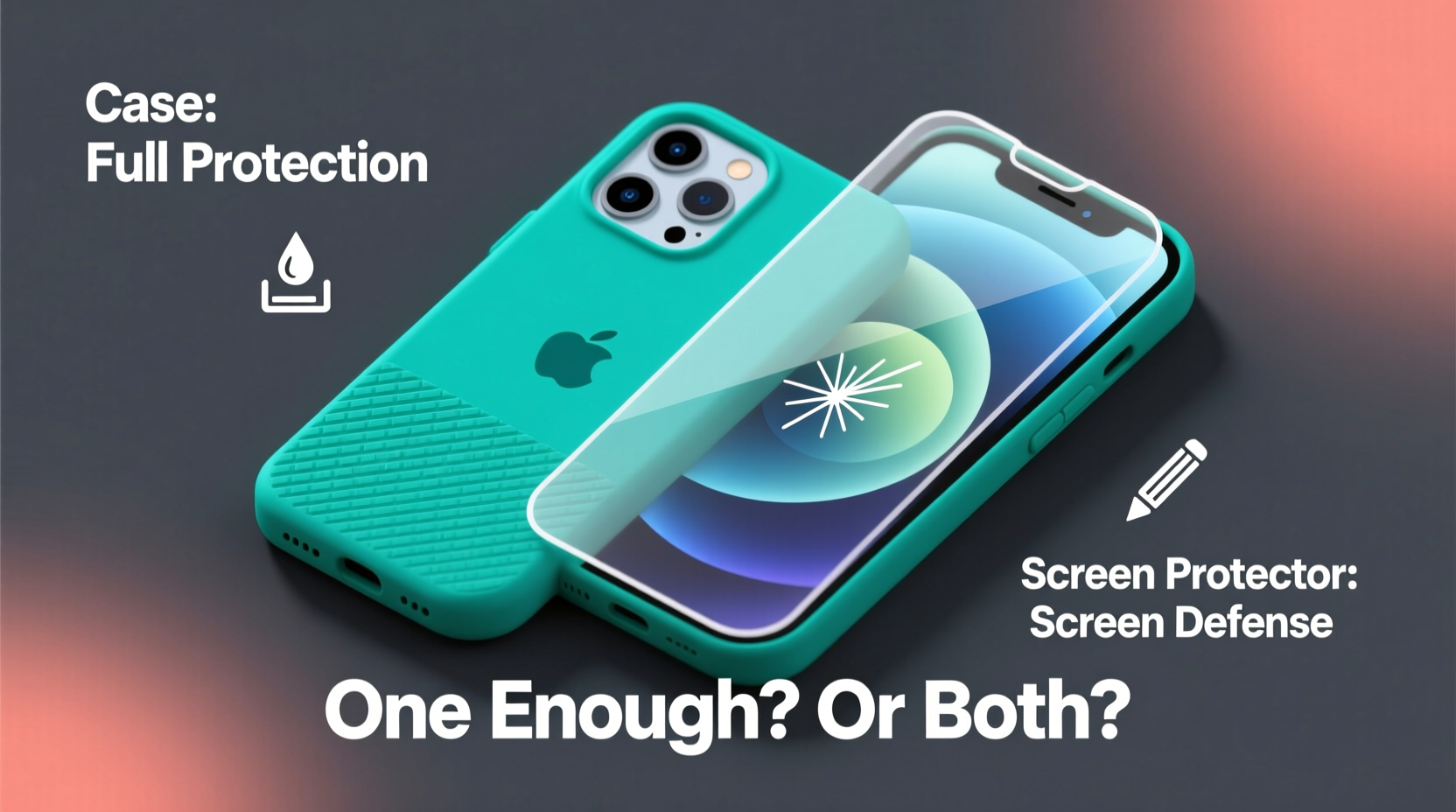
A phone case primarily protects the body and edges of your device. Most modern smartphones are built with glass backs and aluminum or stainless steel frames, making them vulnerable to cracks, dents, and internal damage from impacts. A good case absorbs shock during drops, shields against everyday scrapes, and can even improve grip.
Cases come in various materials—silicone, TPU (thermoplastic polyurethane), polycarbonate, leather, and rugged hybrid designs. Each offers different levels of protection and aesthetics. For example, slim silicone cases offer basic scratch resistance and a soft feel, while military-grade rugged cases include reinforced corners and raised bezels to protect the screen during face-down drops.
How Screen Protectors Work
Screen protectors, typically made from tempered glass or plastic film, serve one main purpose: shield the display from scratches, minor impacts, and abrasions. Even microscopic debris in your pocket or bag can cause fine scratches over time. A screen protector acts as a sacrificial layer, taking the damage so your actual screen doesn’t have to.
Tempered glass protectors are the most popular due to their durability, clarity, and tactile responsiveness. They can withstand significant pressure and often feature oleophobic coatings to resist fingerprints. Film-based protectors, while thinner and less noticeable, offer less impact resistance but are easier to apply and replace.
It’s important to note that no screen protector makes your phone completely shatterproof. However, many users report that a high-quality tempered glass protector has prevented catastrophic screen failure after a drop—especially when combined with a protective case.
Do You Really Need Both?
The short answer: yes, for optimal protection. While either solution alone offers some benefit, using both a case and a screen protector provides comprehensive coverage. Think of them as complementary layers of defense.
A case without a screen protector leaves the display exposed to scratches from keys, coins, or rough surfaces. Conversely, a screen protector without a case may keep the glass intact but does nothing to prevent damage to the frame or back panel—areas increasingly expensive to repair on modern phones with glass backs and wireless charging components.
“Using only one form of protection is like wearing a helmet without a seatbelt. Both have distinct roles, and together they significantly reduce the risk of costly damage.” — Jordan Lee, Mobile Device Repair Technician with 12 years of experience
Comparison: Protection Coverage by Accessory Type
| Component | Phone Case Only | Screen Protector Only | Case + Protector |
|---|---|---|---|
| Front Screen | Limited (only if case has raised bezel) | High (scratch & minor impact protection) | Maximum (dual-layer defense) |
| Back Panel | High (shock absorption, scratch guard) | None | High |
| Side Frames/Edges | High | None | High |
| Dropping Impact (e.g., 3–5 ft) | Moderate to High | Low | Maximum (especially with shock-absorbing case) |
| Everyday Scratches | Moderate | High (front only) | Comprehensive |
Real-Life Scenario: The Coffee Shop Drop
Consider Sarah, a freelance designer who uses her phone constantly for client calls, emails, and photo editing. One afternoon at a busy café, she sets her phone down while ordering coffee. It slips off the counter and lands face-down on the tile floor. She picks it up—no visible cracks. Later that evening, she notices a small chip in the corner of her tempered glass screen protector. The underlying display is unharmed.
Her phone had a moderately rugged case with a slightly raised bezel and a high-quality screen protector. Neither component alone might have saved the screen—the case minimized impact force, while the protector absorbed the point of contact. Together, they prevented a $250+ screen replacement.
This scenario illustrates how layered protection works in real-world conditions. Drops are unpredictable, and surface hardness varies. Ceramic tiles, concrete, and asphalt are far more damaging than carpet or wood. Relying on just one layer increases vulnerability.
Actionable Checklist: How to Protect Your Phone Effectively
- ✅ Choose a case that covers edges and has a raised lip around the screen and camera
- ✅ Install a tempered glass screen protector from a reputable brand
- ✅ Clean the screen thoroughly before applying the protector to avoid bubbles
- ✅ Avoid cheap third-party accessories that lack proper fit or materials
- ✅ Replace the screen protector if it develops deep scratches or micro-cracks
- ✅ Inspect the case regularly for wear, especially at corners where impact is most likely
- ✅ Consider adding a waterproof pouch or sleeve if you're in wet environments frequently
When One Might Be Enough (And When It’s Risky)
There are limited scenarios where relying on just one form of protection could be acceptable. For instance, if you’re extremely careful, always place your phone screen-up, and use it primarily at home or in controlled environments, a screen protector alone might suffice. Similarly, if your phone has a durable design (like an IP68 rating and Gorilla Glass) and you pair it with a minimal case, you might skip the screen protector—but this increases long-term scratch risk.
However, statistics suggest caution. According to a 2023 consumer survey by SquareTrade, over 70% of smartphone owners experience at least one accidental drop within the first year of ownership, and nearly half suffer screen damage. Skipping either layer significantly raises the odds of repair costs or data loss due to malfunction.
Frequently Asked Questions
Can a screen protector prevent my phone from cracking if I drop it?
While a screen protector—especially a tempered glass one—can absorb minor impacts and prevent scratches, it won’t fully stop the screen from cracking during a hard fall. Its primary role is to act as a buffer. Combined with a shock-absorbing case, however, it improves survival chances significantly.
Do I need a screen protector if my phone has Gorilla Glass?
Yes. Gorilla Glass is more resistant to drops and scratches than standard glass, but it’s not immune. Micro-scratches accumulate over time and can degrade visibility and touch sensitivity. A screen protector preserves the original surface and maintains resale value.
Are phone cases bad for heat dissipation?
Poorly designed thick cases, especially those with metal elements, can trap heat during intensive tasks like gaming or video recording. However, most high-quality cases use thermally conductive materials or ventilation gaps. If you frequently push your phone’s performance, opt for a lightweight, breathable case.
Final Recommendation: Use Both for Peace of Mind
Smartphones are expensive investments, and repairs—especially for screens and backs—can cost hundreds of dollars. The combined cost of a reliable case and a tempered glass protector rarely exceeds $50, offering exceptional value for the level of protection provided.
Think of it this way: your phone case is the armor, and the screen protector is the shield. One defends the structure, the other guards the interface. Using both ensures that daily wear, unexpected drops, and environmental hazards don’t compromise your device’s functionality or appearance.




 浙公网安备
33010002000092号
浙公网安备
33010002000092号 浙B2-20120091-4
Comments
No comments yet. Why don't you start the discussion?