
In an age where smartphones are both essential tools and expensive investments, protecting them from drops has become a top priority. Accessories like phone chains and phone charms have surged in popularity—not just for their aesthetic appeal, but also for their claimed functional benefits. But do phone chains genuinely reduce the risk of dropping your device, or are they primarily fashion statements? This article dives deep into the mechanics, materials, user behavior, and real-world effectiveness to answer that question with clarity.
The Rise of Phone Straps and Decorative Attachments
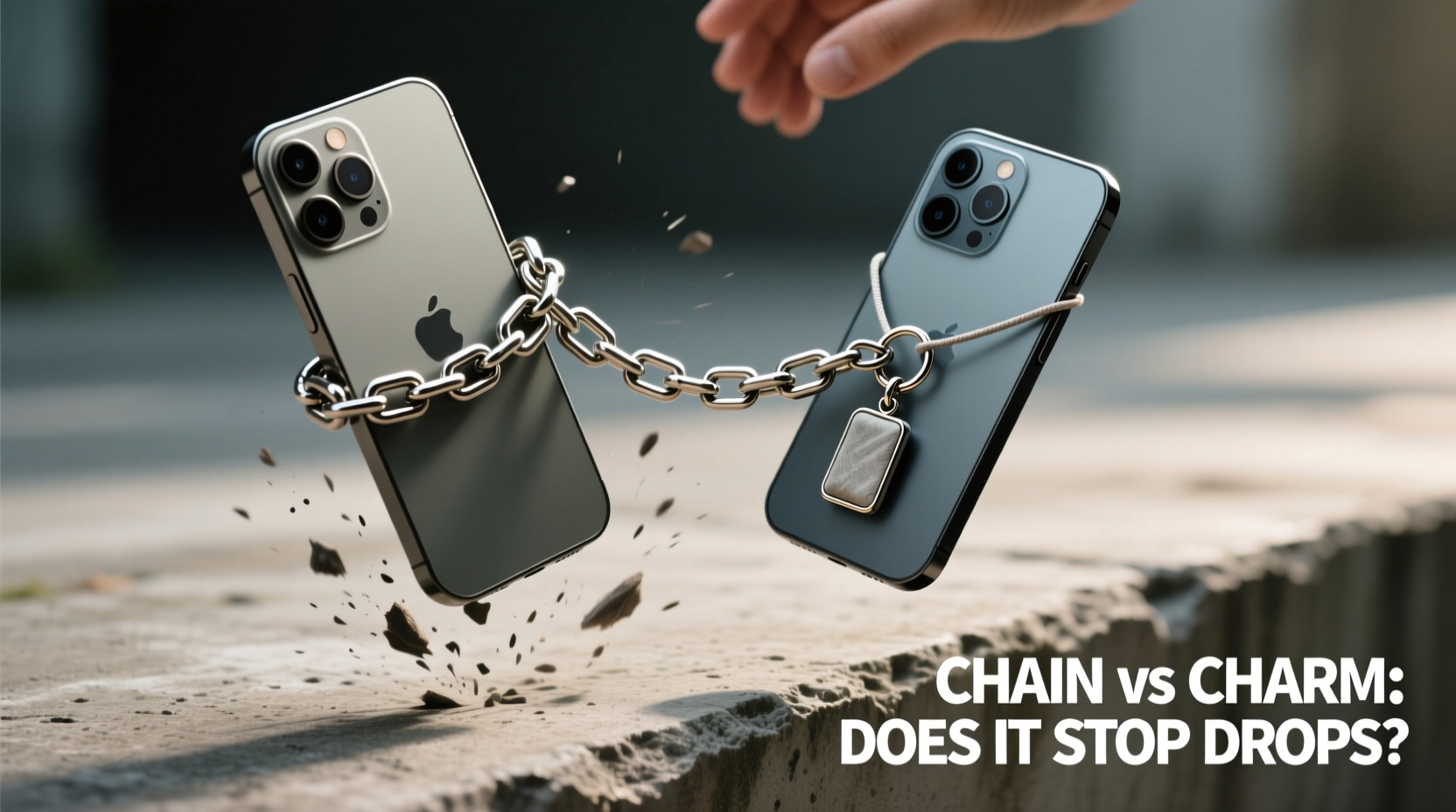
Over the past few years, phone accessories have evolved beyond cases and screen protectors. Social media platforms like TikTok and Instagram have popularized minimalist styles featuring dangling chains, beaded cords, and whimsical charms clipped onto phones. These accessories serve dual purposes: personal expression and perceived utility. While phone charms lean heavily toward decoration—featuring plush toys, acrylic shapes, or tiny trinkets—phone chains are often marketed as practical safeguards, designed to keep your phone tethered to your wrist or bag.
The key difference lies in intent. A charm might make your phone stand out on a café table, but a chain implies security. Yet, not all chains are created equal. The actual protection depends on design, attachment method, material strength, and how users interact with them.
How Phone Chains Work: Mechanics and Materials
A phone chain is typically a metal or woven cord attached via a ring linked to the phone’s case or through a dedicated lanyard adapter. When worn around the wrist or looped through a bag strap, it prevents the phone from falling far if slipped. Unlike loose charms, which dangle freely and offer no restraint, chains create a physical tether.
The effectiveness hinges on three factors:
- Attachment strength: How securely the chain connects to the phone case or frame.
- Tensile durability: Whether the chain can withstand sudden pulls or impacts.
- Length and slack: Shorter chains limit drop distance; longer ones may allow the phone to swing and hit surfaces anyway.
High-quality chains made from stainless steel or reinforced nylon webbing can endure forces exceeding 20 pounds, making them capable of catching a falling phone mid-slip. However, weak links—like flimsy jump rings or poorly secured clasps—are common failure points.
Do Phone Charms Prevent Drops? The Reality Check
Phone charms, while charming (pun intended), rarely offer meaningful drop protection. Most attach via small rings or adhesive clips that aren’t engineered for load-bearing. In fact, adding weight to one side of your phone without structural reinforcement can increase imbalance, making it more likely to slip from your hand—especially during one-handed use.
Moreover, heavy or bulky charms may interfere with wireless charging, pocket storage, or proper case closure. They act more like jewelry than safety gear. Some users report that charms give a false sense of security, leading them to grip less carefully because they assume “it won’t fall far.” That overconfidence can backfire.
“Accessories should enhance function, not compromise it. A charm that makes your phone harder to handle defeats the purpose of protection.” — Jordan Lee, Product Safety Analyst at MobileGear Labs
Comparing Performance: Chain vs Charm
| Feature | Phone Chain | Phone Charm |
|---|---|---|
| Drop Prevention | High (when properly installed) | Low to None |
| Attachment Security | Strong (metal rings, integrated loops) | Weak (adhesive, thin plastic) |
| Durability | High (stainless steel, braided nylon) | Variable (plush, resin, lightweight metals) |
| Fashion Appeal | Moderate to High | Very High |
| Risk of Interference | Low (if length-controlled) | High (can snag or unbalance) |
This comparison shows that while both items contribute to personalization, only chains consistently deliver functional value in preventing full drops. That said, aesthetics still play a major role in consumer choice—many people buy chains specifically because they combine utility with trendy design.
Real-World Testing: A Mini Case Study
Sophia, a barista in Portland, uses her phone constantly during shifts—for payments, messaging, and music. She initially used a fluffy cat charm clipped to her case. Within two weeks, she dropped her phone twice; once, the charm caught on her apron string and yanked the phone off the counter, resulting in a cracked screen.
After switching to a slim stainless steel chain attached to a rugged case with a built-in loop, she reported zero drops over the next four months. “The chain stays out of the way, but I feel it if my grip slips,” she said. “It’s like a safety net I barely notice until I need it.”
Her experience reflects a broader trend: users who prioritize secure attachment and minimal interference see tangible reductions in accidental drops.
Best Practices for Maximum Protection
To get the most out of a phone chain—or avoid pitfalls with any accessory—follow this checklist:
- ✅ Choose a case with a dedicated lanyard hole or reinforced anchor point.
- ✅ Use a chain made from durable materials like stainless steel or ballistic nylon.
- ✅ Ensure the clasp or connector can handle sudden tension (test gently).
- ✅ Keep the chain short enough to prevent swinging against hard surfaces.
- ❌ Avoid attaching heavy charms to the same chain—it increases strain.
- ❌ Don’t rely solely on adhesive-mounted rings; they degrade over time.
FAQ: Common Questions About Phone Chains and Charms
Can a phone chain really stop a drop?
Yes—if it's securely attached and made from strong materials. A well-designed chain won’t stop the initial slip, but it will limit the fall distance, often preventing impact altogether. It acts as a tether, keeping the phone within reach even when dropped.
Are phone charms dangerous?
Not inherently, but poorly attached or overly bulky charms can increase risks. They may throw off balance, catch on clothing, or add stress to weak points on a case. In rare cases, sharp charm edges could pose minor injury risks if the phone swings unexpectedly.
Do phone chains work with wireless charging?
Most do. Since chains attach externally and don’t cover the back panel, they usually don’t interfere. Just ensure the chain isn’t pressing the phone unevenly against the charger, which could affect alignment or heat dissipation.
Conclusion: Function Meets Fashion—But Prioritize Safety
The debate between phone chains and phone charms ultimately comes down to purpose. If you're looking for something cute to personalize your device, a charm fits the bill. But if you want real protection against drops—especially in high-motion environments like commuting, working, or traveling—a sturdy phone chain is objectively more effective.
That doesn’t mean you have to sacrifice style. Today’s market offers chains in sleek gold finishes, colorful beads, and customizable links that blend fashion with function. The smart approach is to choose accessories that enhance both appearance and reliability, rather than choosing one at the expense of the other.




 浙公网安备
33010002000092号
浙公网安备
33010002000092号 浙B2-20120091-4
Comments
No comments yet. Why don't you start the discussion?