
In 2018, smartphone buyers faced a pivotal decision: stick with Apple’s reliable ecosystem or take a leap into Google’s AI-driven Pixel experience. The iPhone 8 and Google Pixel 3 represented two very different philosophies in mobile design—one rooted in iterative refinement, the other in computational innovation. Now, years later, we can assess that choice with clarity. Was upgrading from the iPhone 8 to the Pixel 3—or choosing the Pixel over the iPhone—worth it in hindsight?
This isn’t just about specs or launch-day excitement. It’s about longevity, real-world usability, software support, and how these devices held up over time. For users weighing similar decisions today, understanding this historical comparison offers valuable insight.
The State of Smartphones in 2018
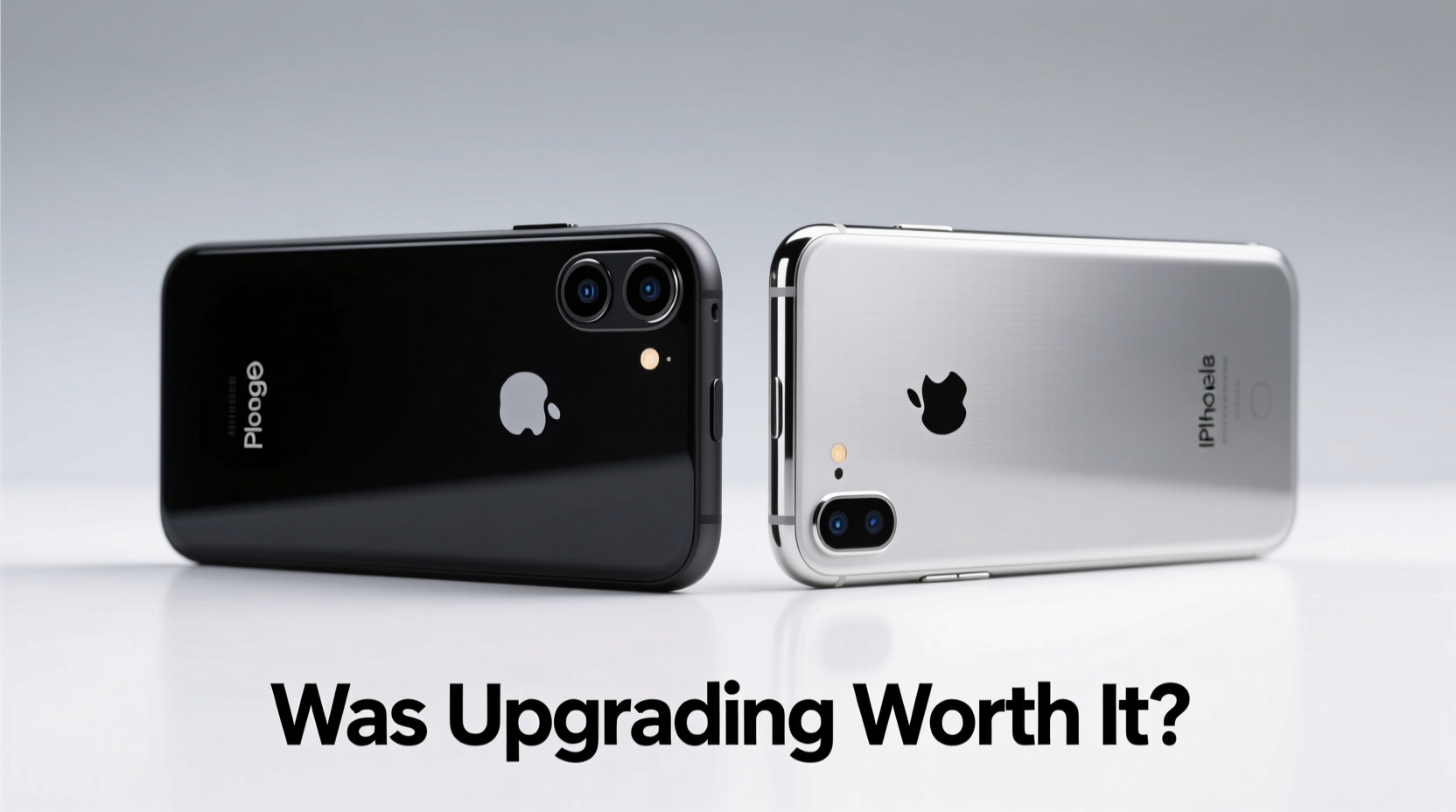
By 2018, flagship smartphones had largely plateaued in hardware evolution. Most high-end models featured glass backs, aluminum frames, and increasingly larger displays. What set them apart were software ecosystems, camera processing, and long-term support strategies.
The iPhone 8 arrived as a bridge between classic and modern Apple design. It retained Touch ID and a compact form factor while introducing wireless charging and an improved A11 Bionic chip. Meanwhile, the Pixel 3 pushed Google’s vision of “software-first” hardware—leveraging machine learning for photography, voice assistance, and predictive features.
At launch, both phones were priced aggressively. The iPhone 8 started at $699; the Pixel 3 launched at $799. While the Pixel cost more, its value proposition hinged on future-proofing through software updates and AI capabilities.
Performance and Longevity: Who Lasted Longer?
Hardware performance is only half the story. True longevity depends on consistent software support and user experience over time.
The iPhone 8 ran iOS 11 at launch and received updates all the way to iOS 16—six major versions. This means users enjoyed security patches, feature upgrades, and app compatibility well into 2023. Apple’s commitment to long-term support remains unmatched in the industry.
In contrast, the Pixel 3 launched with Android 9 Pie and was officially supported until late 2021—three years of OS updates and five years of security patches. While respectable by Android standards, this fell short compared to Apple’s six-year run. By 2022, many apps began dropping support for older Android versions, limiting functionality on the Pixel 3.
“Apple’s update model gives older devices new life. An iPhone from 2017 can still handle daily tasks in 2024.” — David Kim, Mobile Software Analyst at TechInsight Group
Benchmarks tell a similar story. The A11 Bionic in the iPhone 8 remained snappy for everyday use, while the Pixel 3’s Snapdragon 845 struggled under heavier multitasking by 2021. Real-world reports show increased app crashes and slower cold boots on the Pixel 3 after 2020.
Camera Comparison: Computational Photography vs Consistency
The camera was arguably the biggest differentiator. Both phones delivered excellent results, but in fundamentally different ways.
| Feature | iPhone 8 | Pixel 3 |
|---|---|---|
| Main Sensor | 12MP f/1.8 | 12.2MP f/1.8 |
| Front Camera | 7MP f/2.2 | 8MP dual-front (wide + standard) |
| Night Mode | No (added later via software) | Yes (onboard at launch) |
| Portrait Mode | Available (dual-lens required) | Available (single lens via software) |
| Video Recording | 4K@60fps, stereo audio | 4K@30fps, mono front mic issues |
The Pixel 3 redefined what a single-lens camera could do. Its HDR+ processing, Night Sight, and Super Res Zoom produced stunning photos in low light and zoom scenarios where the iPhone 8 faltered. Portrait mode worked reliably without needing a second lens—a significant advantage.
However, the iPhone 8 offered more natural color science and better dynamic range in daylight. Videos were noticeably superior, with smoother stabilization and richer audio. Over time, Apple enhanced the iPhone 8’s camera via software, adding portrait lighting effects and improved noise reduction.
User Experience and Ecosystem Fit
Switching between ecosystems has hidden costs. Moving from iPhone to Pixel meant leaving iMessage, FaceTime, AirDrop, and iCloud Photos behind. Many users reported frustration with green bubbles and degraded media quality when texting iPhone friends.
On the flip side, Pixel owners gained seamless Google integration: unlimited original-quality photo backups (until 2021), instant search indexing, and proactive Assistant suggestions. Features like Call Screen and Hold for Me—powered by Google’s AI—felt futuristic and genuinely useful.
A mini case study illustrates this trade-off:
Maria, a longtime iPhone user, upgraded to the Pixel 3 in 2019 for its camera. She loved the Night Sight and adaptive battery but found herself reinstalling an old iPhone SE as a secondary device just to use iMessage. “I missed group chats and AirDrop,” she said. “Eventually, I went back to iPhone full-time.”
Ecosystem lock-in proved stronger than expected. Even compelling hardware advantages couldn’t overcome communication friction for many users.
Was Upgrading Worth It? A Step-by-Step Retrospective
To determine whether the upgrade made sense, consider this timeline-based evaluation:
- Launch (2018): Pixel 3 wins on innovation—AI features, superior low-light photos, and cleaner Android experience.
- Year Two (2019): iPhone 8 benefits from iOS 13 optimizations; Pixel 3 starts showing UI lag after prolonged use.
- Year Three (2020): iPhone 8 receives iOS 14 with widgets and App Library; Pixel 3 loses official update support.
- Year Four+ (2021–2024): iPhone 8 remains functional for calls, messaging, and basic apps; Pixel 3 faces compatibility issues and declining performance.
For early adopters passionate about photography and AI, the Pixel 3 delivered immediate satisfaction. But for users seeking durability and sustained usability, the iPhone 8 provided better long-term value.
Frequently Asked Questions
Did the Pixel 3 have better battery life than the iPhone 8?
No. Despite a slightly larger battery, the Pixel 3’s aggressive background processes and OLED display resulted in shorter endurance. The iPhone 8 typically lasted longer in mixed usage, especially after iOS optimizations in later versions.
Can either phone run modern apps in 2024?
The iPhone 8 can still run most current apps, though some newer titles may exclude it due to minimum OS requirements. The Pixel 3 struggles more—many apps no longer support Android 12 or lower, and performance bottlenecks are common.
Which phone holds resale value better?
The iPhone 8 maintained higher resale value throughout its lifecycle. Even in 2023, used models fetched 20–30% more than equivalent-condition Pixel 3 units, reflecting stronger market confidence in Apple’s longevity.
Final Verdict: Upgrade Value by User Type
- Photographers & Tech Enthusiasts: Yes, the Pixel 3 was worth it—for a few years. Its camera lead was real and exciting.
- Everyday Users Seeking Reliability: No. The iPhone 8 offered longer support, smoother performance over time, and better ecosystem integration.
- Android Switchers from iPhone: Risky. While the Pixel experience is polished, losing iMessage and tight Apple integration created lasting friction.
- Assess your reliance on iMessage/FaceTime
- Evaluate how often you update your phone
- Consider long-term software support needs
- Test camera performance in your typical lighting
- Weigh ecosystem benefits (iCloud, Google Photos, etc.)
Conclusion: Lessons for Today’s Buyers
Looking back, the Pixel 3 vs iPhone 8 debate wasn’t just about which phone was better—it was about different visions of what a smartphone should be. Google bet on AI and momentary brilliance; Apple focused on consistency and longevity.
The data shows that for most users, staying with the iPhone 8—or upgrading within the Apple ecosystem—delivered greater long-term satisfaction. The Pixel 3 dazzled at first but faded faster.
Today’s buyers face similar choices: cutting-edge features versus proven reliability. Let this comparison serve as a reminder—short-term excitement rarely outweighs long-term usability. Choose not just for today’s specs, but for how your phone will serve you three years from now.




 浙公网安备
33010002000092号
浙公网安备
33010002000092号 浙B2-20120091-4
Comments
No comments yet. Why don't you start the discussion?