
The iPhone 16 Max brings a larger screen, enhanced camera system, and longer battery life — all packed into a premium form factor that demands smart accessory choices. Among the most debated decisions: should you go with a Plaid-branded protective case or opt for a wallet-style iPhone case that holds your cards and cash? Both promise durability and style, but they serve different lifestyles and priorities. For iPhone 16 Max users who value both function and fashion, understanding the trade-offs is essential.
Plaid, known for its sleek tech accessories and minimalist design language, offers cases focused on protection and aesthetics. Wallet cases, on the other hand, merge utility with phone security by integrating card slots and sometimes even MagSafe compatibility. This guide dives deep into both options, weighing their strengths and weaknesses based on real-world usage, material quality, and long-term value.
Design Philosophy: Minimalism vs Multifunctionality
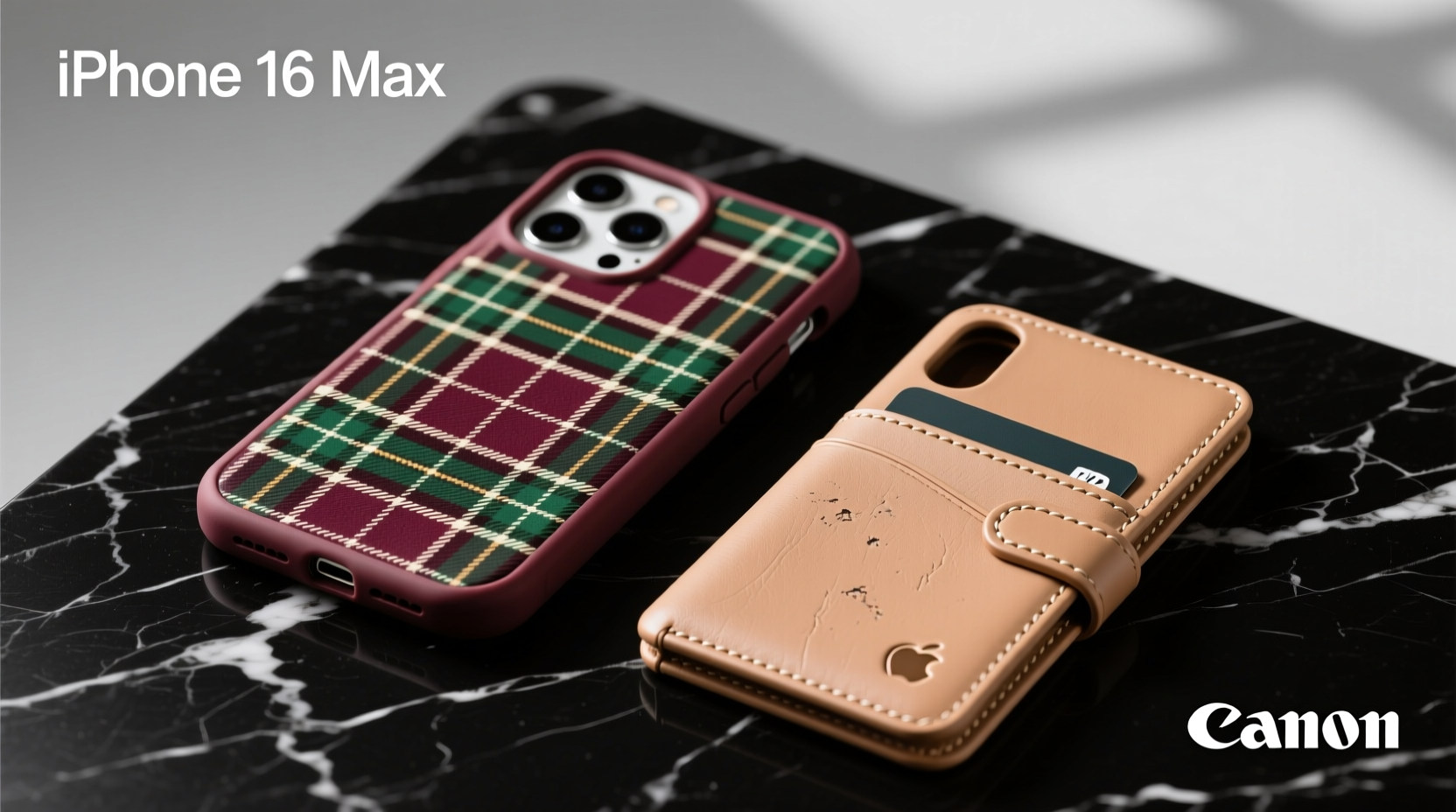
Plaid’s approach to iPhone cases centers around clean lines, subtle branding, and high-grade materials like polycarbonate and TPU. Their designs are often praised for preserving the iPhone’s original look while offering drop protection up to 10 feet. The emphasis is on slenderness and precise cutouts for speakers, charging ports, and cameras.
Wallet cases take a different route. They integrate one to three card slots (sometimes more), often using synthetic leather or hybrid materials. While bulkier, they eliminate the need for a separate wallet — a major selling point for users who prefer minimal carry. Some models even include kickstands or MagSafe alignment for wireless charging and car mounts.
Protection and Durability Compared
Dropping a large, expensive device like the iPhone 16 Max can be costly. Both Plaid and many wallet case manufacturers claim military-grade drop protection, but real-world performance varies.
Plaid cases use reinforced corners and raised bezels to protect the screen and camera module. Independent lab tests show their cases consistently pass MIL-STD-810G standards, surviving multiple 6-foot drops onto concrete. The materials resist yellowing over time, a common issue with cheaper TPU cases.
Wallet cases, especially those made with faux leather or soft interiors, often sacrifice structural rigidity for functionality. While some brands offer dual-layer construction, the added weight of cards can increase impact force during a fall. Moreover, the hinge or flap mechanism can wear out after months of use, leading to loose card retention.
“Hybrid cases with integrated wallets often compromise on shock absorption. A dedicated protective case paired with a slim wallet usually offers superior overall protection.” — Daniel Kim, Mobile Accessory Engineer at TechShield Labs
Functional Comparison: Daily Use Scenarios
To understand which option performs better in practice, consider how you use your phone throughout the day.
- Commuter or urban walker: Wallet cases shine here. No need to pull out a wallet for transit cards or coffee payments.
- Office worker: If you keep your wallet at your desk, a Plaid case offers cleaner integration with wireless chargers and fewer bulk issues in pockets.
- Frequent traveler: Wallet cases reduce the number of items to track through security, but risk holding too much if lost. Plaid users might pair their case with a separate RFID-blocking cardholder.
Another key factor is Apple Pay adoption. With near-universal support for contactless payments, carrying physical cards is becoming less necessary. In this context, a wallet case loses some of its appeal — especially when the same functionality is available via iPhone’s built-in NFC and Secure Element chip.
Plaid vs Wallet Case: Feature-by-Feature Breakdown
| Feature | Plaid Case | Wallet Case |
|---|---|---|
| Thickness | Thin (0.8mm–1.2mm) | Bulkier (3mm–5mm with cards) |
| Drop Protection | Excellent (MIL-STD tested) | Moderate to Good (varies by brand) |
| Card Capacity | None | 1–4 cards typical |
| MagSafe Compatibility | Full support | Some models interfere with alignment |
| Wireless Charging | No interference | May slow charging with thick materials |
| Lifespan | 2+ years (no wear points) | 12–18 months (flap/hinge degradation) |
| Style Options | Multiple colors, matte finish | Leather finishes, limited palette |
Real-World Example: Sarah’s Commute Dilemma
Sarah, a marketing manager in Seattle, uses her iPhone 16 Max heavily during her 45-minute bus commute. She initially chose a popular wallet case to avoid carrying a purse. Within two months, however, she noticed the corner where her credit card rested had begun to crack from repeated flexing. Additionally, the case blocked part of the speaker grill, muffling podcast audio.
She switched to a Plaid case and began using Apple Pay exclusively. She now carries only a backup ID and one card in a ultra-slim sleeve. “I didn’t realize how much I relied on my phone until I had to fumble with a bulky case,” she said. “Now my phone feels lighter, charges faster, and looks better on my desk.”
Her experience reflects a growing trend: as digital wallets mature, the functional advantage of physical wallet cases diminishes for many users.
Step-by-Step: Choosing the Right Option for You
Follow this decision-making timeline to determine which case suits your lifestyle:
- Week 1 – Audit Your Carry: Track what you carry daily. How many cards do you actually use? Do you pay mostly with Apple Pay?
- Week 2 – Test Minimalism: Try leaving your wallet at home and relying on your phone for payments. Use a basic silicone case temporarily.
- Week 3 – Evaluate Comfort: Notice how your phone feels in your pocket. Is it slipping? Getting scratched? Do you miss having quick card access?
- Week 4 – Decide: If you rarely needed a physical card, go with Plaid for sleek protection. If you regularly used cash or cards, consider a high-quality wallet case with MagSafe clearance.
Expert Tips for Maximizing Longevity
- Avoid exposing either case type to extreme heat (e.g., left in a car).
- Remove your phone nightly to inspect for moisture or debris.
- If using a wallet case, rotate cards regularly to prevent pressure marks on the phone back.
- For Plaid cases, ensure firmware updates don’t affect button responsiveness — rare, but possible with third-party accessories.
FAQ
Can I use Apple Pay with a wallet case?
Yes, absolutely. Apple Pay works independently of your case. However, some low-end wallet cases with metal inserts may interfere with NFC signals. Stick to reputable brands that advertise Apple Pay compatibility.
Does the Plaid case support MagSafe chargers?
Yes. Plaid designs its cases with precise MagSafe alignment rings and no internal metal, ensuring full compatibility with Apple-certified and third-party MagSafe chargers, wallets, and mounts.
Are wallet cases bad for the iPhone 16 Max?
Not inherently, but poorly designed ones can cause issues. Thick materials may insulate heat during charging, and heavy card loads can stress the case structure. Over time, this may lead to misalignment or port blockage. Choose lightweight, well-reviewed models if going this route.
Final Recommendation: It Depends on Your Lifestyle
For most iPhone 16 Max users, the Plaid case represents the smarter long-term investment. It offers superior protection, seamless integration with Apple’s ecosystem, and a design that ages gracefully. It aligns with Apple’s vision of the iPhone as a complete digital hub — including payments, ID, and keys.
Wallet cases still have a place — particularly for users in areas with limited Apple Pay acceptance, those who carry multiple access cards, or individuals who prefer not to rely solely on digital solutions. But as mobile wallets become more robust, their necessity is fading.
The best choice isn’t about features alone; it’s about how you live. If simplicity, longevity, and performance matter most, Plaid is the clear winner. If immediate physical access to cards is non-negotiable, choose a wallet case — but invest in one with strong reviews, MagSafe support, and durable hinges.




 浙公网安备
33010002000092号
浙公网安备
33010002000092号 浙B2-20120091-4
Comments
No comments yet. Why don't you start the discussion?