
When choosing an iPhone case, most people face a dilemma: go for sleek, eye-catching plating cases with metallic finishes or stick with minimalist transparent models that show off the phone’s original design. While aesthetics play a big role, the real question is whether that shiny look compromises actual protection. With evolving materials and engineering, the line between style and safety has blurred—but not disappeared. Understanding the differences in construction, durability, and long-term performance helps users make informed decisions that balance both form and function.
The Aesthetic Appeal of Plated Cases
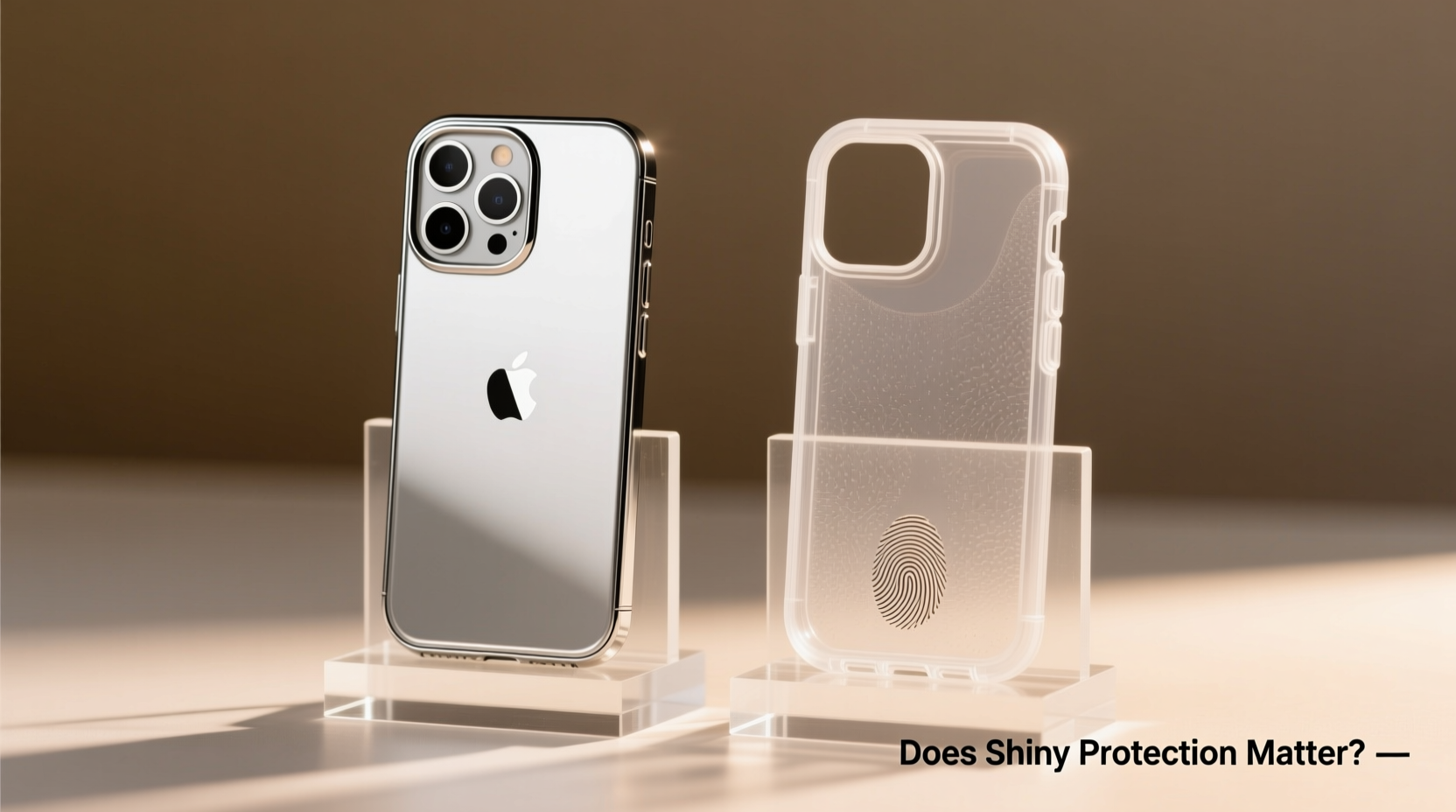
Plated iPhone cases are designed to stand out. Often featuring chrome-like finishes, brushed metal textures, or holographic coatings, these cases use vacuum metallization or electroplating techniques to apply a thin metallic layer over polycarbonate or TPU bases. The result is a mirror-like sheen that catches light and turns heads.
These finishes are especially popular among users who treat their phones as fashion accessories. Limited editions from brands like ESR, Spigen, and UAG often feature rose gold, gunmetal, or iridescent chrome plating that complements high-end phone colors like Space Black or Rose Gold.
However, the visual impact comes with trade-offs. The plating is typically a surface treatment, not structural reinforcement. It adds no meaningful shock absorption and is prone to scratching, chipping, or tarnishing with regular use. A drop onto concrete might leave a visible scuff on the finish, even if the phone remains unharmed.
Transparent Cases: Simplicity with Substance
Transparent cases prioritize clarity and minimalism. Made from optically clear TPU (thermoplastic polyurethane) or hybrid polycarbonate blends, they aim to preserve the iPhone’s factory look while offering baseline protection. Modern versions include anti-yellowing formulas and micro-textured surfaces to reduce smudges and improve grip.
Unlike plated cases, transparency doesn’t rely on a surface coating—it’s built into the material itself. This means wear tends to be more uniform. Instead of chipping or peeling, transparent cases may gradually yellow due to UV exposure or skin oils, but they maintain structural integrity longer.
Many premium transparent cases now include raised bezels around the camera and screen, air-cushioned corners, and precise cutouts—all features focused on impact resistance rather than appearance. Brands like Apple’s Clear Case, OtterBox Symmetry Clear, and Native Union Transparent emphasize functional design without sacrificing visibility.
Protection Comparison: Materials and Real-World Performance
When evaluating protection, three factors matter most: impact absorption, scratch resistance, and longevity. Here's how plating and transparent cases stack up across these criteria.
| Feature | Plated Case | Transparent Case |
|---|---|---|
| Impact Protection | Moderate – depends on base material; plating adds no cushioning | Good to excellent – flexible TPU absorbs shocks, especially at corners |
| Scratch Resistance | Poor – metallic layer scratches easily, showing wear quickly | Fair – surface may develop fine marks, but less noticeable than peeling plating |
| Durability Over Time | Low – plating degrades within 3–6 months with daily use | Moderate to high – anti-yellowing tech extends clarity up to a year |
| Grip & Handling | Poor – smooth, slippery surface increases drop risk | Better – textured edges or matte finishes improve hold |
| Dust & Smudge Visibility | High – fingerprints and dust show clearly on shiny surfaces | Moderate – smudges visible but less distracting than on mirrored finishes |
“While plated cases attract attention, they often sacrifice long-term usability for short-term flair. For consistent protection, material resilience matters more than reflectivity.” — David Lin, Mobile Device Engineer at TechShield Labs
Real-World Example: Office Worker vs. Outdoor Enthusiast
Consider two users: Maya, a graphic designer who carries her iPhone in a tote bag alongside pens, keys, and notebooks, and Jordan, a hiker who clips their phone to a backpack during trail runs.
Maya chooses a rose-gold plated case because it matches her aesthetic and rarely leaves her controlled environment. After four months, the case shows light scratches near the buttons, but no major damage occurs. Functionally, it performs adequately—though she notices it slips more easily off desks.
Jordan opts for a rugged transparent case with reinforced corners. During a fall from waist height onto gravel, the case cracks slightly at one corner but prevents any damage to the iPhone. Six months later, the case has yellowed slightly but still offers reliable grip and protection.
This contrast illustrates a key point: the shiny appeal of plating suits low-impact lifestyles, while transparent cases often better serve active users—even if they lack flash.
How to Choose Based on Your Lifestyle
Selecting the right case isn’t just about preference—it should align with how you use your phone. Follow this checklist to make a practical decision.
- ✅ Do you frequently place your phone face-down on hard surfaces? → Choose transparent with raised bezel
- ✅ Are you prone to dropping your phone? → Prioritize shock-absorbing TPU (common in transparent models)
- ✅ Do you value long-term appearance? → Avoid plating—it degrades faster
- ✅ Is wireless charging important? → Ensure case thickness allows compatibility (both types vary)
- ✅ Do you carry keys or metal objects with your phone? → Plated cases scratch easily; go transparent
FAQ: Common Questions About iPhone Case Protection
Does a shiny plated case offer better drop protection than a clear one?
No. Protection depends on the underlying material—such as TPU or polycarbonate—not the surface finish. A plated case may look sturdier, but the metallic layer provides zero shock absorption. In fact, many transparent cases are engineered specifically for impact resistance, with features like air pockets and flexible edges.
Why do some transparent cases turn yellow over time?
Exposure to UV light, heat, and oils from skin can cause oxidation in lower-quality TPU. Premium transparent cases use anti-yellowing polymers and UV inhibitors to delay this process. Keeping your case out of direct sunlight and cleaning it weekly with a microfiber cloth can extend its clarity.
Can I repair a chipped plated case?
Generally, no. Once the metallic coating chips, it cannot be restored without refinishing—something not feasible for consumer devices. Some users attempt touch-up paint, but results are uneven and may worsen conductivity near wireless charging coils.
Final Verdict: Shine vs. Safety
The allure of a shiny, plated iPhone case is undeniable. It elevates the device’s presence, making it feel premium and distinctive. But when it comes to genuine protection, that luster is largely superficial. Plating is cosmetic—a veneer that wears fast under everyday conditions.
Transparent cases, by contrast, focus on material performance. Advances in TPU formulations and structural design mean many clear options now rival or exceed the protective qualities of plated models. They may not dazzle on first glance, but they endure drops, resist slipping, and maintain functionality over time.
If your priority is safeguarding your investment, transparency wins. If you’re after a short-term style statement and accept quicker replacement cycles, plating can be a fun choice—just don’t mistake shine for strength.




 浙公网安备
33010002000092号
浙公网安备
33010002000092号 浙B2-20120091-4
Comments
No comments yet. Why don't you start the discussion?