
In the evolving landscape of professional fashion, women are no longer confined to a narrow definition of what constitutes appropriate office attire. Skirts remain a staple in many work wardrobes, offering elegance, mobility, and versatility. Among the most popular styles are pleated skirts and midi wrap skirts—both flattering, functional, and fashionable. But when it comes to building a polished, adaptable work wardrobe, one question arises: which of these two silhouettes offers greater versatility?
The answer isn’t always straightforward. It depends on factors such as workplace culture, body type, climate, fabric choices, and personal style preferences. This article breaks down the strengths and limitations of each skirt type, compares their adaptability across different professional settings, and provides actionable insights to help you make an informed decision.
Defining the Silhouettes
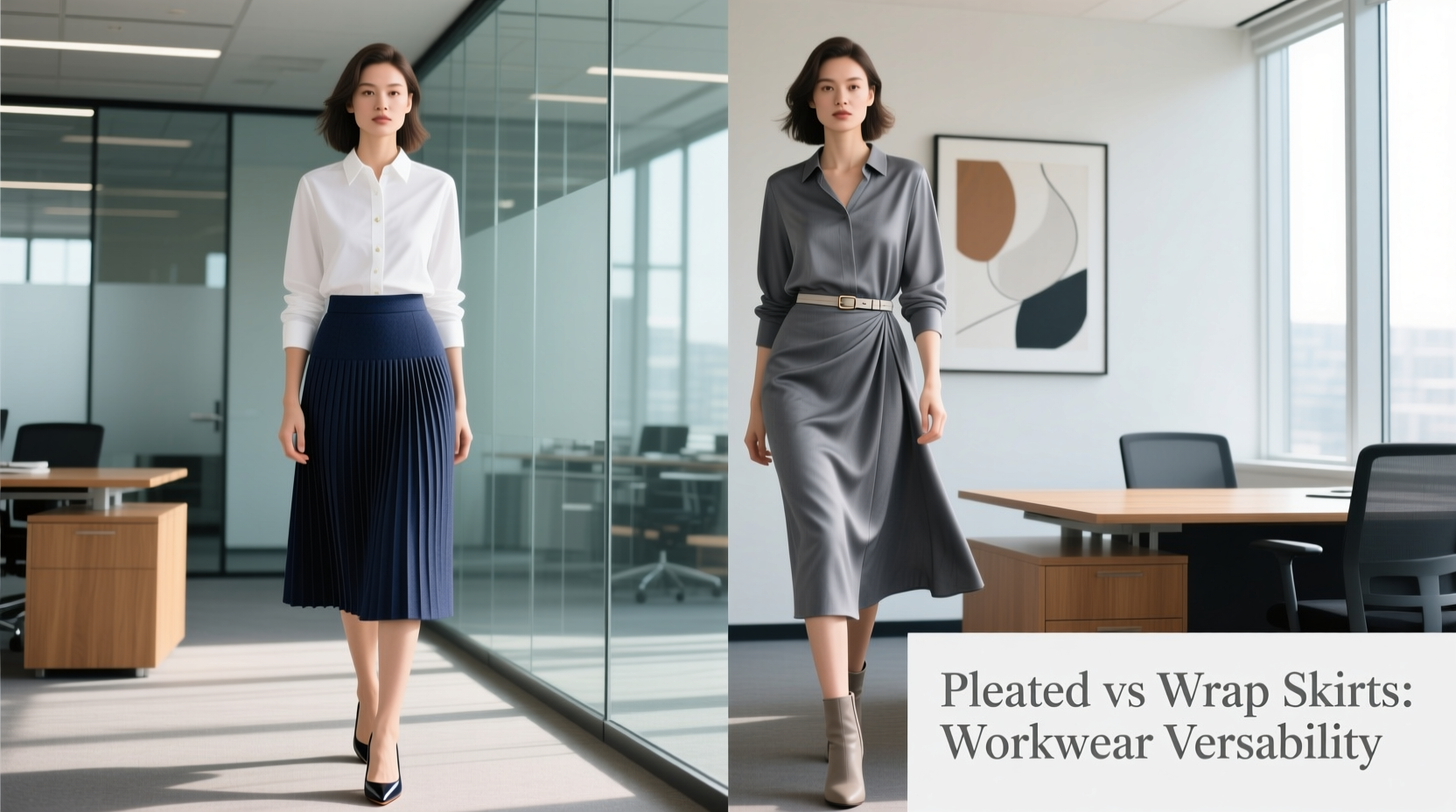
Before comparing versatility, it’s essential to understand the structural and aesthetic differences between pleated skirts and midi wrap skirts.
Pleated skirts feature folded fabric that creates volume and movement. These can be box pleats, knife pleats, or accordion pleats, and they typically fall at or below the knee (mid-length) or mid-calf (midi). Commonly made from wool, cotton blends, or polyester, pleated skirts offer structure with a subtle sense of dynamism due to the folds.
Midi wrap skirts, on the other hand, are characterized by an overlapping front panel secured with buttons, ties, or hidden snaps. They usually hit between the knee and ankle and are designed to contour the body, creating a streamlined, figure-flattering effect. Fabrics range from structured cotton to fluid viscose, depending on the desired drape and formality.
While both skirts occupy the “midi” length category, their construction leads to distinct wearability profiles—especially in a work environment where balance between professionalism and comfort is key.
Professionalism and Workplace Appropriateness
Workplace dress codes vary widely—from conservative corporate offices requiring tailored separates to creative agencies embracing expressive silhouettes. Both pleated and wrap skirts can meet professional standards, but their suitability often hinges on execution.
Pleated skirts, especially those in neutral tones like navy, charcoal, or camel, project a classic, academic, or editorial vibe. Their structured nature aligns well with button-down shirts, blazers, and low heels. In traditional industries such as finance, law, or academia, pleated skirts are frequently seen as polished and authoritative.
Wrap skirts, while inherently elegant, require careful styling to avoid appearing too casual or overly form-fitting. A tightly wrapped jersey knit version might cling in unflattering ways during prolonged sitting, whereas a structured ponte or crepe wrap maintains shape and modesty. The key is choosing a version with minimal gap at the waist and sufficient coverage.
“Versatility in workwear isn’t just about how many outfits you can create—it’s about confidence, comfort, and consistency in your appearance across varied professional scenarios.” — Lena Torres, Corporate Stylist & Wardrobe Consultant
Comfort and Mobility: A Day-in-the-Life Comparison
True versatility includes how well a garment performs over an eight-hour workday. Let’s compare real-world usability through a mini case study.
Mini Case Study: Two Professionals, Two Skirts
Alex, a project manager in a hybrid tech firm, wears a wool-blend pleated midi skirt three days a week. Paired with a tucked-in silk blouse and loafers, the look transitions from Zoom calls to client presentations. However, Alex reports mild discomfort after long periods of sitting—the pleats compress and require readjustment. Standing during calls helps, but it's not always practical.
Meanwhile, Jordan, a marketing director in a design agency, favors a ponte knit midi wrap skirt. The stretchy fabric allows ease of movement, and the adjustable fit accommodates fluctuating bloating or weight shifts throughout the day. Jordan notes that the skirt stays in place without constant tugging and pairs seamlessly with cropped sweaters, structured jackets, and even sneakers on casual Fridays.
This contrast highlights a critical point: while pleated skirts offer visual sophistication, wrap skirts often win in terms of ergonomic flexibility. For roles involving frequent walking, stair climbing, or dynamic seating, the forgiving nature of a wrap style may provide superior daily functionality.
Styling Versatility: Outfit Range and Accessorizing Potential
Versatility also means how many different looks you can create with a single piece. Let’s assess both skirts across common workwear combinations.
| Silhouette | Top Pairings | Footwear Options | Layering Potential | Seasonal Adaptability |
|---|---|---|---|---|
| Pleated Midi Skirt | Crisp button-downs, turtlenecks, fitted sweaters | Ankle boots, pumps, oxfords | Blazers, cardigans, trench coats | Best in fall/winter; lightweight versions for spring |
| Midi Wrap Skirt | Tucked tees, camisoles, sleeveless shells, relaxed knits | Flats, block heels, sandals (in business-casual settings) | Boleros, open-front knits, moto jackets | Wearable year-round with fabric adjustments |
The table reveals that wrap skirts accommodate a broader range of tops, including more relaxed or contemporary styles. Their adjustable waistband allows pairing with bulkier layers without tightness, making them ideal for transitional weather. Pleated skirts, while excellent with tailored pieces, can feel restrictive when layered over thick sweaters or under padded coats.
Moreover, wrap skirts adapt more easily to diverse body shapes. Their cinched waist enhances proportion, and the draping softens hip lines—a benefit for pear-shaped or apple-shaped figures. Pleated skirts, though timeless, can add volume to the hips, which may not suit everyone.
Durability and Maintenance
Long-term versatility includes how well a garment holds up over time. Wrinkle resistance, wash care, and shape retention matter—especially for professionals who rely on repeat wear.
Pleated skirts, particularly those with permanent knife or box pleats, require careful laundering. Machine washing can destroy the pleat structure unless specified by the manufacturer. Many demand dry cleaning, increasing maintenance costs and environmental impact. Additionally, sitting for extended periods can cause permanent creasing along fold lines.
Wrap skirts made from stable knits like ponte or scuba fabric tend to be more durable. They resist wrinkles, recover their shape after wear, and often tolerate gentle machine washing. Even woven wrap styles in rayon or cotton blends are generally easier to care for than precision-pleated garments.
However, the closure system of wrap skirts—buttons, hooks, or ties—can wear out over time. Stress points at the waistband may loosen, leading to slippage. Regular inspection and reinforcement of stitching can extend lifespan.
Checklist: Evaluating Longevity in Work Skirts
- ✔️ Check fabric composition for wrinkle resistance and stretch recovery
- ✔️ Inspect pleat stability (for pleated styles) or seam strength (for wraps)
- ✔️ Confirm care instructions align with your routine (machine washable preferred)
- ✔️ Assess closure durability—snaps should hold without strain
- ✔️ Test sit-wear performance: does the skirt ride up or gap excessively?
Industry-Specific Suitability
The ideal work skirt varies by profession. Consider these guidelines based on workplace norms:
- Corporate/Finance/Law: Pleated skirts in wool or tweed are traditionally favored. Pair with crisp white shirts and closed-toe heels for maximum authority.
- Creative Agencies/Design Firms: Wrap skirts in bold prints or textured fabrics shine here. Styling freedom allows for experimentation with asymmetry and modern layering.
- Education/Administration: Both styles work well. Pleated skirts convey approachability and tradition; wrap skirts offer comfort for active roles like teaching or event coordination.
- Healthcare (non-clinical): Ponte wrap skirts are practical—easy to clean, stretchy, and professional when paired with tunics or blouses.
- Remote/Hybrid Roles: Wrap skirts dominate due to comfort during long screen hours and camera-friendly silhouettes that look put-together from the waist up.
In highly regulated environments, pleated skirts may edge out wraps due to their historical association with formal wear. But in adaptive workplaces, the wrap skirt’s blend of elegance and ease makes it a strong contender.
Frequently Asked Questions
Can I wear a wrap skirt to a job interview?
Yes, provided it’s well-structured, knee-length or longer, and made from non-stretchy, opaque fabric. Pair it with a tailored blouse and blazer to project competence and polish. Avoid soft jersey wraps that appear too casual.
Do pleated skirts look outdated?
Not inherently. Modern pleated skirts come in minimalist designs with clean lines and matte finishes. Avoid overly voluminous or shiny versions. Pair with sleek footwear and simple tops to keep the look current.
Which skirt is better for petite women?
Both can work, but proportions matter. Petite individuals should opt for narrower pleats or micro-pleats to avoid overwhelming the frame. For wrap skirts, choose mid-calf lengths to elongate the leg. High-waisted versions enhance the illusion of height in either style.
Step-by-Step Guide: Building a Versatile Work Skirt Capsule
- Assess Your Work Environment: Determine the acceptable level of formality and flexibility in attire.
- Choose One Base Skirt: Start with a neutral-colored midi wrap skirt in ponte or crepe—it’s the most adaptable option for most settings.
- Add a Structured Option: Incorporate a pleated skirt in wool or twill for formal meetings or conservative days.
- Test Combinations: Wear each skirt with at least three different tops and shoes to evaluate real-world versatility.
- Evaluate Comfort Over Time: Wear each for a full workday and note any issues with fit, movement, or maintenance.
- Expand Thoughtfully: Add patterned or colored versions only after confirming base styles meet your needs.
Final Verdict: Which Is More Versatile?
After evaluating professionalism, comfort, styling range, durability, and adaptability across industries, the **midi wrap skirt emerges as the more versatile option for most work environments**—particularly in today’s flexible, hybrid, and body-conscious workplaces.
Its adjustable fit, forgiving fabric, and ability to transition from boardroom to coffee run with ease give it a functional advantage. While pleated skirts retain a niche in traditional sectors and seasonal wardrobes, they are less forgiving in motion and maintenance.
That said, the ideal professional wardrobe doesn’t have to choose one over the other. A balanced rotation of both styles maximizes adaptability. Use the pleated skirt for structured, authoritative moments. Reach for the wrap skirt when comfort, movement, and effortless elegance are priorities.
Conclusion
Selecting the right work skirt isn’t just about following trends—it’s about aligning your clothing with your lifestyle, responsibilities, and self-expression. The pleated versus wrap skirt debate ultimately underscores a larger truth: true versatility lies in intentionality. Choose pieces that support your daily rhythm, reflect your professionalism, and allow you to move through your workday with confidence.
Start by investing in one high-quality midi wrap skirt and one tailored pleated option. Test them across contexts. Pay attention to how they make you feel—and perform. Then build outward, curating a collection that works as hard as you do.




 浙公网安备
33010002000092号
浙公网安备
33010002000092号 浙B2-20120091-4
Comments
No comments yet. Why don't you start the discussion?