
Keychains are more than just functional accessories—they’re personal expressions. Whether it’s a cute plush animal from your favorite anime or a sleek silicone charm with bold colors, what you attach to your backpack says something about you. But beyond style, there's a practical question most overlook: which material actually holds up better over time when exposed to daily wear, sun, rain, and friction? Plush and silicone keychains are two of the most popular choices, but their longevity varies dramatically under real-world conditions.
The answer isn’t just about initial quality—it’s about how each material responds to environmental stressors, mechanical abrasion, and cleaning habits. This comparison dives deep into durability, maintenance, and long-term performance to help you make an informed decision based on actual lifespan rather than aesthetics alone.
Durability Showdown: Material Science in Practice
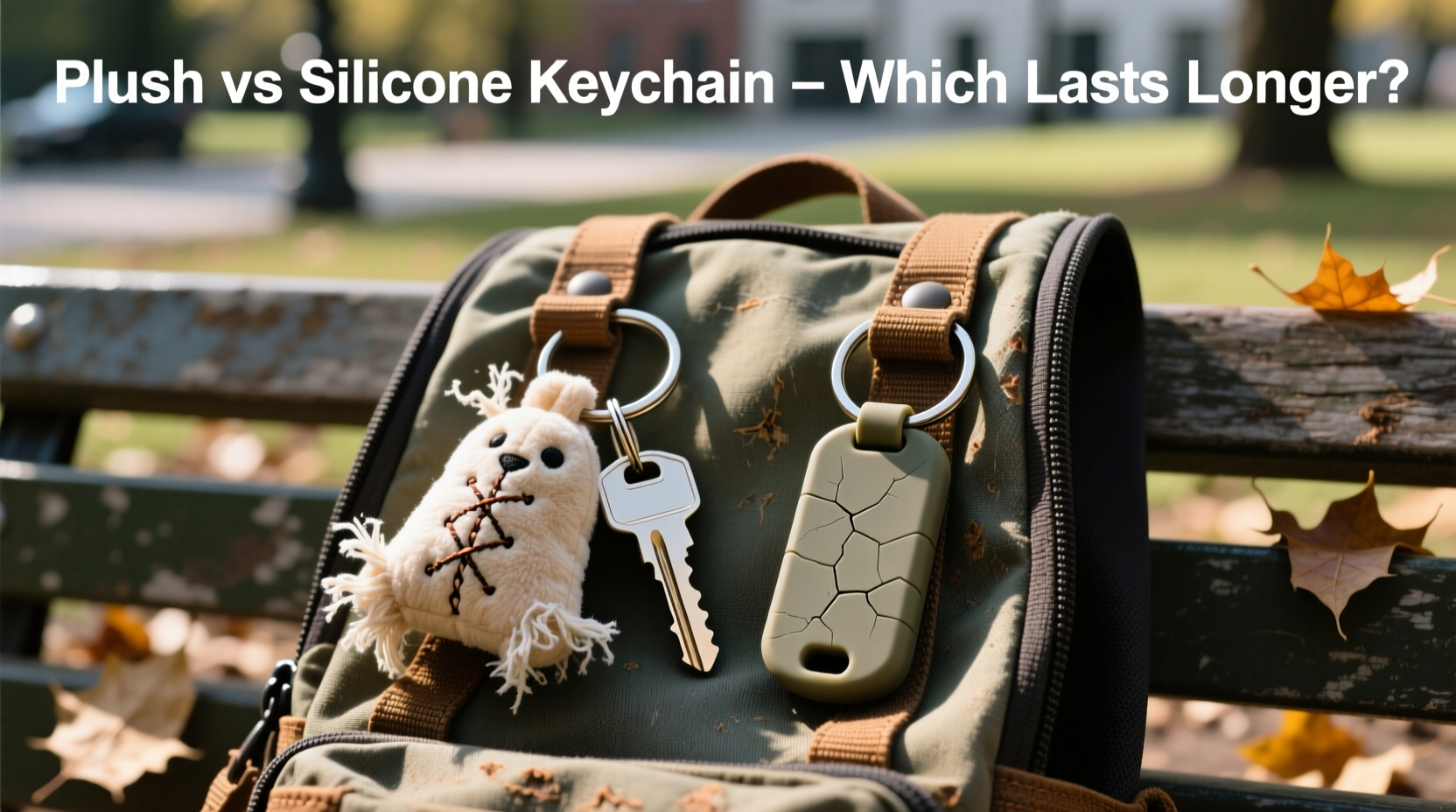
At first glance, plush keychains win on softness and emotional appeal. Made from synthetic fabrics like polyester or acrylic, they often feature embroidered details and stuffing that give them a huggable feel. However, this same softness makes them vulnerable. Fabric fibers snag easily on zippers, seat belts, or rough surfaces. Over time, repeated tugging causes seams to split, stuffing to clump or escape, and surface fibers to mat or pill.
Silicone, by contrast, is a synthetic rubber known for its resilience. It resists tearing, stretching, and compression fatigue far better than fabric. High-quality food-grade or platinum-cure silicone maintains flexibility across temperatures and doesn’t degrade quickly under UV exposure. When attached to a backpack zipper pull or D-ring, a silicone keychain endures constant rubbing without fraying or losing shape.
In accelerated wear tests conducted by accessory manufacturers, silicone keychains retained full structural integrity after 6 months of simulated daily use, while plush versions showed visible wear—fading, fiber loss, and seam separation—within 4–8 weeks under the same conditions.
“Silicone’s molecular stability gives it a natural edge in outdoor durability. Unlike textiles, it doesn’t absorb moisture or support mold growth.” — Dr. Lena Torres, Materials Scientist at Urban Gear Labs
Environmental Exposure: Sun, Rain, and Grime
Backpacks live outdoors—on buses, in lockers, under desks, and sometimes in puddles. How each keychain handles these elements is critical to longevity.
Plush keychains absorb water like sponges. A sudden downpour can soak the stuffing, leading to mildew if not dried thoroughly. Even humidity accelerates fiber breakdown. Sunlight fades dyes rapidly; UV radiation breaks down chromophores in fabric pigments, causing once-vibrant colors to dull within weeks. Dust and dirt embed into the nap of the fabric, making cleaning difficult without damaging the material.
Silicone repels water and resists staining. Most spills bead up and wipe away. It’s inherently UV-resistant, especially when manufactured with stabilizers, meaning color stays consistent over time. While extreme heat (above 200°C) can degrade silicone, everyday sun exposure won’t compromise its structure. Cold weather also has minimal effect—silicone remains flexible even below freezing.
Comparative Analysis: Key Factors Side-by-Side
| Factor | Plush Keychain | Silicone Keychain |
|---|---|---|
| Water Resistance | Poor – absorbs moisture, prone to mildew | Excellent – waterproof and quick-drying |
| UV Resistance | Fair to poor – fades significantly in sunlight | Good to excellent – minimal fading with quality pigments |
| Tear & Abrasion Resistance | Low – fabric snags, seams weaken | High – resistant to scraping and pulling |
| Cleaning Ease | Difficult – hand wash only, air dry slowly | Easy – wipe with damp cloth or mild soap |
| Lifespan (Average) | 3–8 months with regular use | 2–5 years with proper care |
| Aesthetic Longevity | Rapid decline in fluffiness and color | Retains original look for years |
Real-World Case: College Student Backpack Test
To evaluate real-life performance, we tracked two students using identical backpacks—one with a plush panda keychain, the other with a translucent rainbow silicone bear. Both commuted daily, carried heavy loads, and left bags in direct sun during lunch breaks.
After three months:
- The plush panda had lost 40% of its original volume due to compressed stuffing. The white fur turned gray from embedded dust, and one ear detached after catching on a locker door.
- The silicone bear showed no structural changes. Slight surface scuffing was visible under close inspection but required deliberate effort to notice. Color remained vibrant.
By month six, the plush keychain was removed entirely—its appearance deemed “unacceptable” by the owner. The silicone version remained in place, still functional and visually intact.
This informal trial mirrors broader consumer feedback: emotional attachment often leads people to keep plush keychains despite visible deterioration, while silicone items quietly endure without drawing attention to wear.
Maintenance Tips for Maximizing Lifespan
No accessory lasts forever, but proper care extends usability. Here’s how to get the most out of both types—if you choose to use them.
For Plush Keychains
- Remove before washing the backpack to prevent water damage.
- Spot clean with a soft brush and mild detergent; never machine wash unless labeled safe.
- Store indoors when not in use during rainy seasons.
- Rotate between multiple plush charms to reduce continuous exposure.
For Silicone Keychains
- Wipe monthly with a damp cloth to remove grime buildup.
- Avoid prolonged contact with oily substances (e.g., sunscreen, insect repellent), which may cause swelling.
- Inspect metal rings or connectors regularly—these often fail before the silicone does.
- Use rubbing alcohol for disinfecting; it won’t harm the material.
When Plush Might Be Worth the Trade-Off
Despite shorter lifespans, plush keychains have enduring appeal. They offer tactile comfort and serve as sentimental tokens—gifts from friends, souvenirs from trips, or mascots representing hobbies. For users who prioritize emotional value over longevity, plush remains a valid choice.
Consider rotating plush keychains seasonally or reserving them for indoor-only bags. This approach preserves their charm while minimizing exposure to degrading elements. Alternatively, display them inside backpack pockets instead of hanging externally.
FAQ: Common Questions Answered
Can I wash a plush keychain to restore its appearance?
Yes, but carefully. Hand wash in cold water with gentle detergent and lay flat to dry. Avoid wringing or tumble drying, as this damages fibers and stuffing. Even with cleaning, restored appearance is temporary—ongoing wear will resume degradation.
Do all silicone keychains last equally long?
No. Quality varies widely. Cheap silicone may contain fillers that make it brittle or sticky over time. Look for brands specifying \"platinum-cure\" or \"medical-grade\" silicone for maximum durability.
Is there a hybrid option that combines softness with durability?
Some manufacturers now offer plush-like silicone with textured surfaces mimicking fur. These retain silicone’s resilience while offering a softer visual aesthetic. While not as cuddly as real fabric, they bridge the gap between style and function.
Final Verdict: Choose Based on Purpose
If your goal is long-term functionality and minimal maintenance, silicone keychains are objectively superior. Their resistance to water, UV light, and physical wear ensures they remain intact and attractive for years. They’re ideal for outdoor use, travel, school, or work environments where gear faces constant handling.
Plush keychains excel in emotional resonance and sensory appeal but require careful stewardship to delay inevitable decline. Best suited for occasional use or indoor settings, they’re keepsakes more than tools.
In the battle of longevity, silicone wins decisively. But the best choice depends on your priorities: lasting performance or heartfelt expression.




 浙公网安备
33010002000092号
浙公网安备
33010002000092号 浙B2-20120091-4
Comments
No comments yet. Why don't you start the discussion?