
When it comes to choosing dog toys for heavy chewers, pet owners face a constant battle between fun and function. Plush toys offer comfort and playfulness, while Kongs deliver durability and mental stimulation. But when your dog has powerful jaws and an unrelenting urge to destroy anything in their path, the question becomes clear: which toy actually lasts longer? This guide dives deep into the materials, design, and real-world performance of plush versus Kong toys to help you make an informed decision for your tough-chewing canine.
Durability Showdown: Material Matters
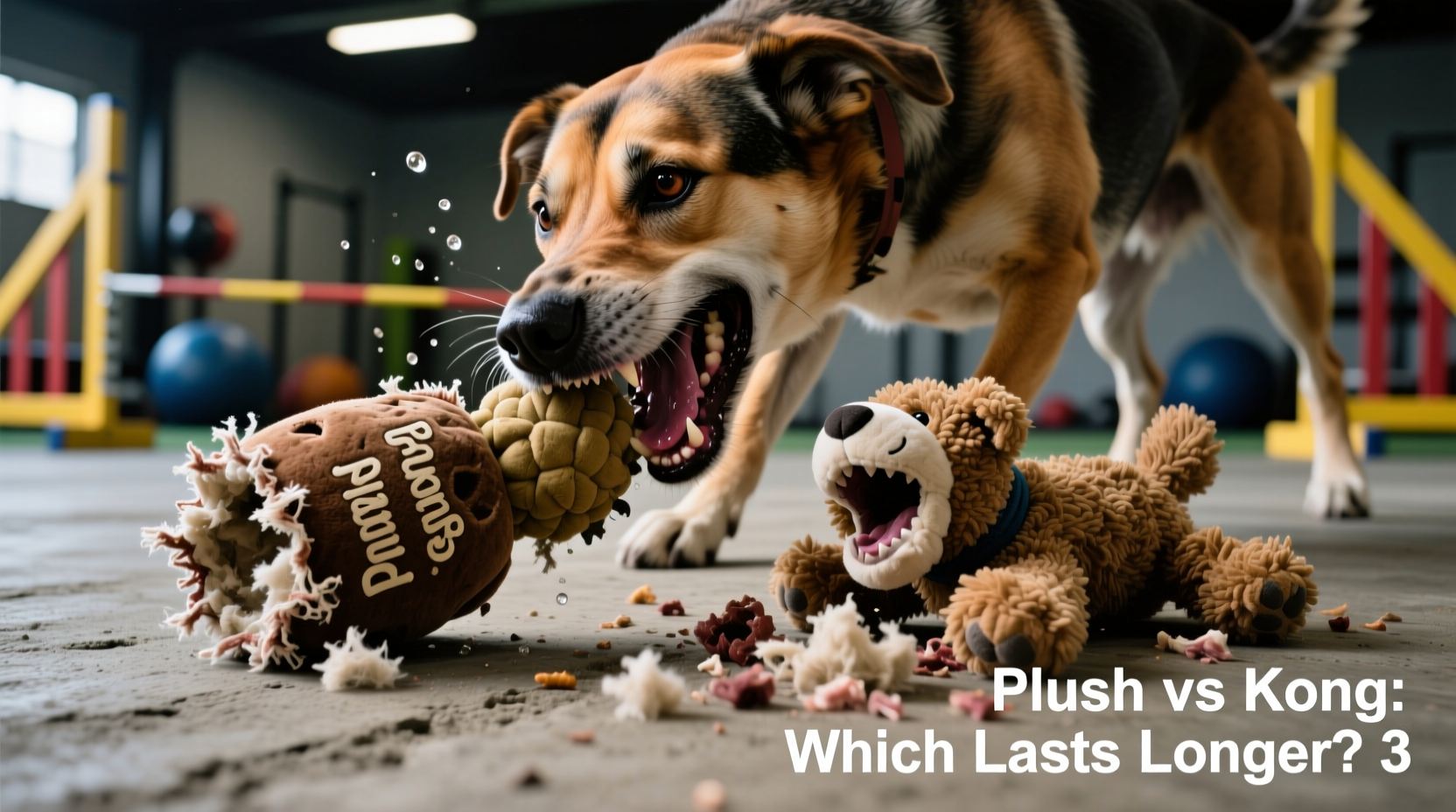
The core difference between plush and Kong toys lies in their construction. Plush toys are typically made from soft fabrics like polyester, fleece, or cotton blends, often lined with squeakers or stuffing. While they’re ideal for gentle play and cuddling, these materials break down quickly under aggressive chewing. Threads unravel, seams split, and stuffing spills out—sometimes within minutes for determined chewers.
In contrast, Kong toys are crafted from natural rubber compounds designed specifically for durability. The classic red Kong is made from a proprietary blend that balances resilience with a slight give, reducing tooth wear while resisting punctures and fractures. For even tougher chewers, Kong offers the “Extreme” line, built with a harder rubber compound that can withstand hours of relentless gnawing.
Real-World Performance: How Long Do They Really Last?
To understand longevity, consider how each toy performs under daily use. A typical plush toy may last anywhere from a few hours to a week for a moderate chewer. For aggressive chewers, destruction often occurs in under 30 minutes. Once the stuffing is exposed, ingestion risks rise, and the toy must be discarded.
Kong toys, on the other hand, regularly survive months—or even years—with consistent use. Their solid rubber construction prevents internal components from being accessed, eliminating the risk of foreign body ingestion from stuffing. Even as they develop scuff marks or minor teeth grooves over time, they remain functional and safe.
“With heavy chewers, I consistently recommend rubber-based toys like the Kong. They’re not just durable—they redirect destructive energy into positive chewing habits.” — Dr. Lena Torres, DVM, Veterinary Behavior Specialist
Comparative Analysis: Plush vs Kong
| Feature | Plush Toys | Kong Toys |
|---|---|---|
| Material | Fabric, stuffing, plastic squeakers | Natural or high-strength rubber |
| Lifespan (Heavy Chewers) | Minutes to days | Months to years |
| Safety Risk | High (choking, blockage from stuffing) | Low (non-toxic, no loose parts) |
| Mental Stimulation | Low to moderate (squeaker interest) | High (treat-dispensing, problem-solving) |
| Cleanability | Machine washable (if intact) | Dishwasher-safe (top rack) or hand wash |
| Best For | Gentle players, puppies, comfort-seeking dogs | Power chewers, anxious dogs, high-energy breeds |
Case Study: Max, the German Shepherd Power Chewer
Max, a three-year-old German Shepherd, had destroyed over 20 plush toys in six months. His owner, Sarah, would buy new ones weekly, only to find them in pieces by evening. After a vet visit revealed mild anxiety and a strong oral fixation, she switched strategies. She introduced a Kong Extreme filled with frozen peanut butter and banana. Within days, Max’s destructive behavior decreased. The Kong lasted over eight months with regular use, showing only surface wear. More importantly, his overall stress levels improved due to the mental engagement.
This shift wasn’t just about durability—it was about redirection. The Kong gave Max a safe outlet for chewing, turning a destructive habit into a constructive activity.
How to Extend Toy Lifespan: A Step-by-Step Guide
Even the toughest toys benefit from smart usage. Follow this timeline to maximize longevity and safety:
- Assess your dog’s chewing style: Observe whether they nibble, shake, or crush toys. Power crushers need rubber, not fabric.
- Choose the right variant: For heavy chewers, select Kong Extreme or Ultra instead of standard models. Avoid plush unless supervised.
- Rotate toys weekly: Introduce one Kong per week to maintain novelty and reduce overuse on a single item.
- Inspect daily: Check for cracks, sharp edges, or chunks missing. Discard if structural integrity is compromised.
- Clean regularly: Wash Kongs every few days with warm soapy water or in the dishwasher to prevent bacterial buildup.
- Freeze treat-filled toys: Frozen Kongs last longer during play and provide extended engagement.
Common Misconceptions About Dog Toys
Many owners assume all chew toys are created equal or believe that size alone determines safety. However, a large plush toy is still no match for a Rottweiler’s molars. Others think rubber toys are too hard and may damage teeth—but modern Kongs are engineered with dental safety in mind, offering flexibility that protects enamel.
Another myth is that dogs grow out of destructive chewing. In reality, many adult dogs retain strong chewing instincts, especially without sufficient physical or mental outlets. Providing appropriate, long-lasting toys is not optional—it’s part of responsible pet care.
Frequently Asked Questions
Can plush toys ever be safe for heavy chewers?
Rarely. Some “indestructible” plush toys claim reinforced stitching and mesh lining, but most still fail under intense chewing. If used at all, they should only be given under direct supervision and removed immediately if tearing begins.
Are Kongs safe for puppies?
Yes. The original red Kong is soft enough for teething puppies. It can be filled with wet food or yogurt and frozen to soothe sore gums. Just ensure the size matches the puppy’s breed to prevent choking hazards.
What if my dog loses interest in a Kong?
Variety is key. Rotate different fillings—canned food, cottage cheese, mashed sweet potato, or commercial pastes. Freezing the contents increases challenge and appeal. You can also try different Kong shapes, like the Puppy or Wobbler models.
Final Verdict: What Lasts Longer?
There is no contest when durability is the priority: Kong toys last significantly longer than plush toys for heavy chewers. While plush toys serve a role in interactive play and emotional comfort, they are not designed for sustained chewing. Kongs, built with resilience and functionality in mind, offer superior longevity, safety, and enrichment.
That said, the best approach isn’t choosing one over the other entirely—it’s strategic selection based on purpose. Use plush toys for short, supervised play sessions. Rely on Kongs for independent chewing, anxiety relief, and long-term durability.
“The right toy doesn’t just entertain—it protects your home, your dog’s health, and your wallet in the long run.” — Rachel Nguyen, Certified Canine Behavior Consultant
Take Action Today
If your dog is a heavy chewer, reevaluate your current toy collection. Remove any plush items that could be destroyed and ingested. Invest in a high-quality Kong, introduce it with a tempting filling, and observe the difference in engagement and endurance. Track how long it lasts compared to previous toys. Small changes in toy selection lead to big improvements in safety, savings, and peace of mind.




 浙公网安备
33010002000092号
浙公网安备
33010002000092号 浙B2-20120091-4
Comments
No comments yet. Why don't you start the discussion?