
Stool odor is a normal part of digestion, but when your poop suddenly smells like gasoline—sharp, chemical, or petroleum-like—it can be alarming. While occasional changes in bowel smell are common and often tied to diet, a persistent gasoline-like odor may signal an underlying issue. Understanding the potential causes, recognizing red flags, and knowing when to seek medical advice are essential for maintaining digestive health.
Dietary Causes Behind Unusual Stool Odor
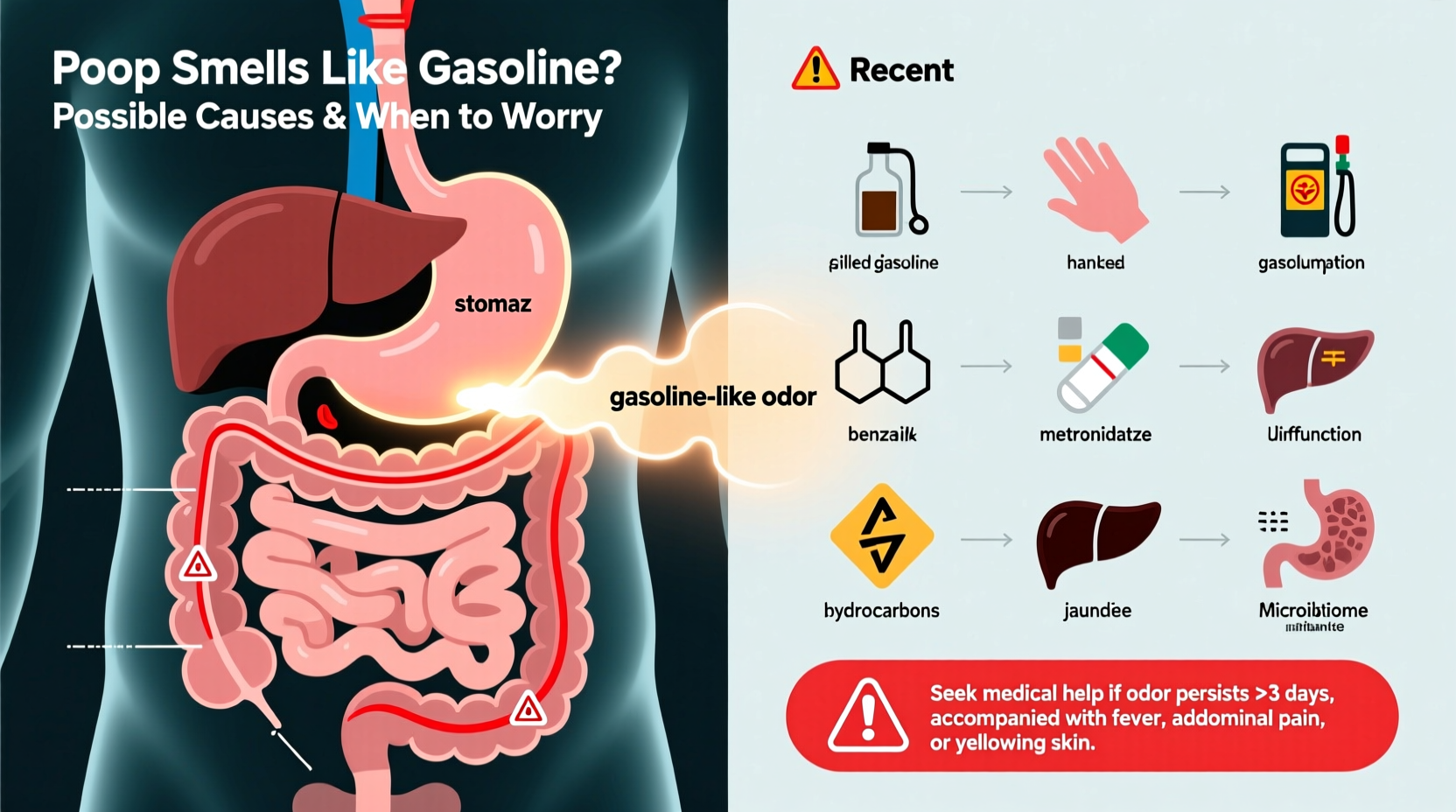
The food you eat plays the most significant role in determining stool consistency and smell. Certain foods contain compounds that, when broken down during digestion, release volatile chemicals with strong odors. In rare cases, these can resemble gasoline.
- Foods high in sulfur: Cruciferous vegetables (like broccoli and cabbage), eggs, and red meat produce hydrogen sulfide during digestion—a gas that contributes to foul-smelling stool.
- Processed foods with artificial additives: Some preservatives, dyes, or flavor enhancers may not be fully absorbed and can ferment in the gut, producing unusual odors.
- Petroleum-based food coatings: Though rare, some wax coatings on fruits and vegetables (like apples or cucumbers) are derived from petroleum. Consuming large amounts without proper washing might contribute to chemical-like smells in waste.
- Excessive intake of fatty or fried foods: High-fat diets slow digestion and increase bacterial fermentation, leading to pungent byproducts.
Digestive Disorders That May Cause Chemical-Smelling Stool
Beyond diet, gastrointestinal conditions can alter how your body breaks down food, leading to abnormal stool characteristics—including odor.
Fat Malabsorption (Steatorrhea)
When the pancreas, liver, or gallbladder isn’t functioning properly, fats aren’t digested efficiently. Undigested fat in stool leads to greasy, pale, bulky bowel movements that float and emit a rancid or fuel-like smell. Conditions such as chronic pancreatitis, celiac disease, or Crohn’s disease can cause this.
Small Intestinal Bacterial Overgrowth (SIBO)
SIBO occurs when bacteria normally found in the colon overpopulate the small intestine. These microbes ferment undigested food prematurely, producing gases and metabolites that can create unusual odors, including solvent-like smells.
Liver or Biliary Tract Dysfunction
The liver produces bile, which helps break down fats. If bile flow is disrupted—due to gallstones, hepatitis, or cirrhosis—fat digestion suffers, contributing to foul-smelling stools. In advanced cases, metabolic byproducts may carry chemical undertones.
“Persistent changes in stool odor, especially when accompanied by weight loss or diarrhea, should never be ignored. They can be early signs of malabsorption or organ dysfunction.” — Dr. Lena Patel, Gastroenterologist, Mayo Clinic
Environmental and Accidental Ingestion Risks
In rare instances, a gasoline-like stool odor may stem from actual exposure to hydrocarbons.
- Accidental ingestion: Swallowing small amounts of gasoline, kerosene, or cleaning solvents—especially in children or individuals with pica—can lead to toxic effects and altered excretion.
- Inhalation exposure: People working with fuels, paints, or industrial solvents may absorb trace chemicals through the lungs, which are then processed by the liver and excreted in bile and stool.
- Contaminated water or food: Living near industrial sites or wells contaminated with petroleum products increases risk of low-level exposure.
If you work with fuels or solvents regularly, consider whether symptoms coincide with work shifts. Always use protective equipment and avoid eating in contaminated areas.
When to Worry: Red Flags Requiring Medical Attention
Not every strange-smelling bowel movement indicates a serious problem. However, certain symptoms suggest it's time to consult a healthcare provider.
| Symptom | May Indicate | Action |
|---|---|---|
| Persistent gasoline-like odor for more than 1 week | Dietary sensitivity or underlying condition | Review diet; monitor other symptoms |
| Oily or floating stools | Fat malabsorption | See doctor for stool tests |
| Unintended weight loss | Maldigestion, pancreatic or liver disease | Seek immediate evaluation |
| Abdominal pain, bloating, or diarrhea lasting >48 hours | Irritable bowel syndrome, infection, or SIBO | Consult gastroenterologist |
| Nausea, jaundice (yellow skin/eyes), dark urine | Liver or biliary system issues | Urgent medical assessment needed |
Mini Case Study: A Construction Worker’s Experience
Mark, a 42-year-old construction worker, noticed his stool had begun smelling strongly of gasoline after starting a new job at a demolition site. He frequently handled old machinery with residual fuel and ate lunch in the same area. After two weeks of worsening odor, abdominal discomfort, and mild fatigue, he visited his primary care physician. Blood tests revealed elevated liver enzymes. Upon eliminating exposure and improving hygiene practices (washing hands before eating), his symptoms resolved within 10 days. His case highlights how occupational exposure can manifest in unexpected bodily signals.
Step-by-Step Guide: What to Do If Your Poop Smells Like Gasoline
- Assess recent dietary changes: Recall any new foods, supplements, or dining experiences in the past 24–72 hours.
- Eliminate suspected triggers: Temporarily stop consuming highly processed, fatty, or sulfur-rich foods to see if odor improves.
- Evaluate environmental exposures: Consider contact with fuels, solvents, or contaminated water sources.
- Monitor accompanying symptoms: Track bowel frequency, color, texture, and any pain, bloating, or weight changes.
- Hydrate and support digestion: Drink plenty of water, consume fiber-rich whole foods, and consider probiotics if diarrhea or imbalance is suspected.
- Consult a healthcare provider: If symptoms persist beyond a few days or red flags appear, schedule an appointment. Your doctor may order stool tests, blood work, or imaging.
Checklist: When to Seek Medical Help
- ☑ Stool consistently smells like gasoline for over 7 days
- ☑ You experience unexplained weight loss
- ☑ Bowel movements are oily, pale, or float abnormally
- ☑ Abdominal pain, nausea, or vomiting accompany the odor
- ☑ You have a history of liver, pancreatic, or intestinal disease
- ☑ Possible exposure to fuel or chemicals occurred recently
Frequently Asked Questions
Can antibiotics cause my poop to smell like gasoline?
Antibiotics don’t typically cause a gasoline-like odor directly, but they can disrupt gut flora, leading to overgrowth of certain bacteria that produce unusual metabolic byproducts. This may result in odd smells, though usually more sulfuric than chemical. If odor persists after finishing antibiotics, consider discussing SIBO testing with your doctor.
Is it dangerous if my child’s poop smells like gasoline?
Yes, this warrants attention. Children are more vulnerable to toxin exposure. If the smell coincides with lethargy, vomiting, or confusion, seek emergency care immediately—this could indicate accidental ingestion of a hydrocarbon. Even without symptoms, consult a pediatrician to rule out dietary or metabolic issues.
Can diabetes cause strange stool odor?
Diabetes itself doesn’t directly cause gasoline-like stool, but poorly controlled diabetes can lead to gastroparesis (delayed stomach emptying) and secondary SIBO, both of which alter digestion and may contribute to foul or unusual odors. Additionally, ketoacidosis produces acetone-like breath, but not typically stool changes.
Conclusion: Listen to Your Body’s Signals
Your digestive system communicates through changes in bowel habits, color, and even smell. While a temporary gasoline-like odor in stool may simply reflect something you ate or an environmental factor, persistent or worsening symptoms should not be dismissed. Early recognition of underlying issues—from malabsorption to liver dysfunction—can prevent complications and improve long-term health outcomes.




 浙公网安备
33010002000092号
浙公网安备
33010002000092号 浙B2-20120091-4
Comments
No comments yet. Why don't you start the discussion?