
Starting a small business from the ground up is both exciting and daunting. Many entrepreneurs dream of turning an idea into a sustainable venture, but only a fraction succeed long-term. The difference often lies not in luck, but in preparation, execution, and persistence. Building a business that lasts requires more than passion—it demands strategy, clarity, and disciplined action. From validating your idea to securing funding and building a customer base, each step shapes your foundation. This guide walks through the essential, actionable steps to launch your small business with confidence and purpose.
Validate Your Business Idea Before Investing Time or Money
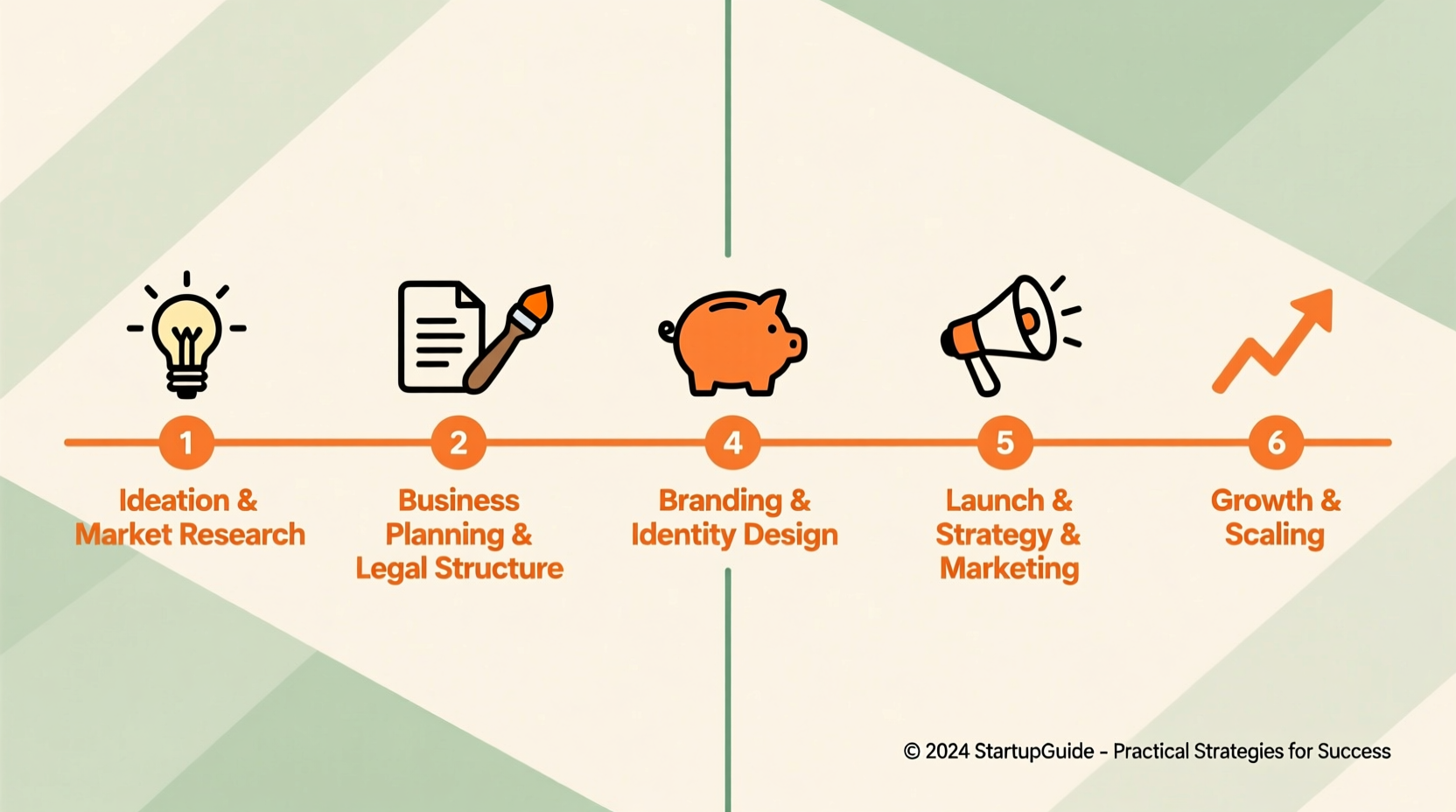
One of the most common reasons startups fail is launching a product or service no one wants. Before writing a business plan or registering a company, test your idea in the real world. Speak directly to potential customers, conduct surveys, and offer pre-orders or prototypes. This process helps you refine your offering based on actual demand, not assumptions.
For example, if you're planning to sell organic skincare products, create sample batches and distribute them to a small group in exchange for honest reviews. Use their input to adjust ingredients, packaging, or pricing before scaling production.
Create a Lean Business Plan That Works
A traditional 30-page business plan may be overkill for most small startups. Instead, focus on a lean version that answers key questions: Who is your customer? What problem do you solve? How will you make money? What are your startup costs?
| Section | Purpose | Key Questions to Answer |
|---|---|---|
| Value Proposition | Define what makes your business unique | Why should someone choose you over competitors? |
| Target Market | Identify who your ideal customer is | What demographics, behaviors, and pain points define them? |
| Revenue Model | Explain how you’ll generate income | Will you charge per sale, subscription, or service fee? |
| Startup Costs | Estimate initial investment needed | Equipment, inventory, legal fees, marketing? |
| Growth Strategy | Outline plans for scaling | How will you acquire customers and expand operations? |
This concise framework keeps your planning focused and adaptable. As your business evolves, so can your plan—without being locked into rigid projections.
Choose the Right Legal Structure and Register Your Business
Selecting a legal structure affects taxes, liability, and fundraising ability. The most common options for small businesses are:
- Sole Proprietorship: Simplest to set up; owner assumes full liability.
- LLC (Limited Liability Company): Protects personal assets and offers tax flexibility.
- S-Corporation: Suitable for growing businesses seeking investors or payroll efficiency.
In most cases, an LLC strikes the right balance between protection and simplicity. Once decided, register your business name with your state, obtain an EIN from the IRS, and apply for any required local permits or licenses—especially if selling food, providing services, or operating from home.
“Choosing the wrong legal structure can expose your personal finances to risk. Consult a small business attorney or accountant early—it’s worth the investment.” — David Lin, Small Business Advisor
Secure Funding Without Overextending Yourself
Capital is essential, but many founders make the mistake of borrowing too much too soon. Start by calculating your true startup costs and monthly operating expenses. Then explore funding options in order of least risk:
- Bootstrapping: Use personal savings or revenue from early sales.
- Friends and Family: Borrow from trusted individuals with clear repayment terms.
- Small Business Grants: Apply for non-repayable funds from government or nonprofit programs.
- Microloans: Consider lenders like Kiva or Accion for smaller amounts under $50,000.
- SBA Loans: For larger needs, backed by the U.S. Small Business Administration.
Regardless of the source, treat every dollar as if it were your last. Track every expense, delay non-essential purchases, and prioritize profitability from day one.
Build a Customer Acquisition Strategy That Scales
Having a great product isn’t enough—you need visibility and trust. Start by identifying where your ideal customers spend time: social media platforms, local events, online forums, or search engines. Then build a low-cost outreach plan around those channels.
For instance, a local bakery might host weekend pop-ups at farmers' markets while posting behind-the-scenes reels on Instagram. An online coaching service could publish free guides on LinkedIn and run targeted Facebook ads to attract leads.
Mini Case Study: Launching “GreenScape Landscaping”
Jamal wanted to start a sustainable landscaping business in his hometown. He began by offering free garden assessments to five neighbors, documenting the transformations with before-and-after photos. He shared these on Nextdoor and Facebook, which led to 12 paid clients within six weeks. By reinvesting early profits into a simple website and Google Business listing, he doubled his client base in three months—all without paid advertising.
The lesson? Word-of-mouth and proof of results are powerful tools when starting small.
Essential Setup Checklist
To ensure nothing falls through the cracks, follow this checklist before opening for business:
- ✅ Validate your idea with real customer feedback
- ✅ Choose a memorable, available business name
- ✅ Register your business entity and get an EIN
- ✅ Open a separate business bank account
- ✅ Set up basic accounting software (e.g., QuickBooks, Wave)
- ✅ Build a simple website or landing page
- ✅ Define your pricing and service offerings clearly
- ✅ Launch a soft opening with friends, family, or beta customers
- ✅ Collect testimonials and refine based on feedback
- ✅ Begin tracking marketing ROI from day one
Frequently Asked Questions
How long does it take to set up a small business from scratch?
With focused effort, you can legally register and launch a basic operation in 2–6 weeks. However, achieving consistent revenue and stability typically takes 6–12 months, depending on industry, market demand, and execution.
Do I need a physical location to start a small business?
No. Many successful small businesses operate entirely online or from home. Service-based ventures like consulting, design, or tutoring can begin with just a laptop and internet connection. Only consider a physical space when customer expectations or operational needs require it.
What’s the biggest mistake new entrepreneurs make?
Skipping market validation. Too many people build a product they love, only to find no one wants to pay for it. Always test demand first, even with a rough version of your idea. It saves time, money, and heartache later.
Conclusion: Start Smart, Stay Focused, Grow Intentionally
Setting up a small business from scratch isn’t about having the perfect idea or massive funding. It’s about taking deliberate, informed steps toward solving a real problem for real people. Success comes from testing early, learning fast, and adapting quickly. Every thriving company started exactly where you are now—with a vision and the courage to act.




 浙公网安备
33010002000092号
浙公网安备
33010002000092号 浙B2-20120091-4
Comments
No comments yet. Why don't you start the discussion?