
Movement is essential for long-term health, yet many people struggle to incorporate regular exercise into their lives. The challenge isn’t usually motivation—it’s sustainability. Starting a workout routine is easy; maintaining it through busy schedules, fatigue, and life changes is where most efforts fall apart. The key isn’t dramatic overhauls or extreme regimens. It’s about integrating small, repeatable actions that accumulate into lasting habits.
Science consistently shows that consistency beats intensity when it comes to physical activity. A 2023 study published in the *British Journal of Sports Medicine* found that individuals who moved moderately every day had better cardiovascular outcomes than those who exercised intensely only on weekends. This underscores a simple truth: daily, manageable movement is more effective than sporadic bursts of effort.
Start Small: The Power of Micro-Movements
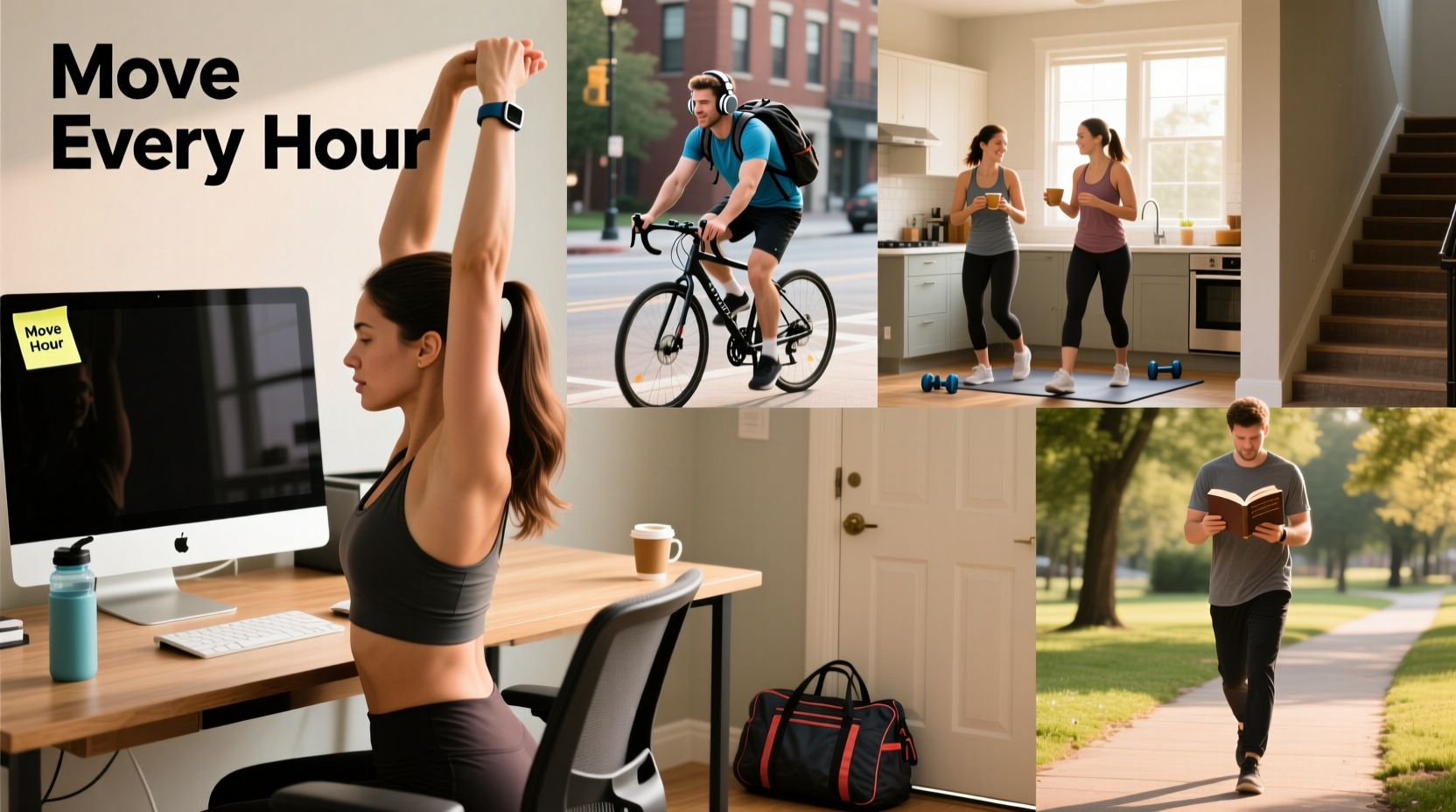
The most common mistake people make is aiming too high too soon. Committing to an hour at the gym five days a week may sound ideal, but if you’re currently sedentary, that goal can quickly become overwhelming. Instead, focus on micro-movements—small actions that add up over time.
For example, taking the stairs instead of the elevator, parking farther from the entrance, or doing two minutes of stretching after brushing your teeth are all low-effort behaviors that require minimal willpower. These actions build momentum and condition your body and mind to expect movement as part of the day.
Design Your Environment for Success
Your surroundings shape your behavior more than willpower ever will. If your workspace is a desk with no standing option, and your living room has a couch facing a large TV, passive behavior is practically guaranteed. But by adjusting your environment, you can make movement the default choice.
- Keep a pair of walking shoes by the front door.
- Use a standing desk or improvise with a high counter.
- Place resistance bands or a yoga mat in visible areas like the bedroom or living room.
- Set phone reminders labeled “Move now” at random intervals.
When tools and cues are visible and accessible, they reduce friction. You're more likely to stretch for two minutes if the mat is already unrolled and waiting.
Build a Weekly Movement Plan (Without Overplanning)
Rigidity kills consistency. A tightly scheduled workout calendar might work for a week, but one missed session can derail the entire plan. Instead, create a flexible weekly framework that includes variety and built-in recovery.
| Day | Suggested Activity | Duration |
|---|---|---|
| Monday | Brisk walk + bodyweight exercises | 25 min |
| Tuesday | Stretching or yoga | 15 min |
| Wednesday | Cycling or dance video | 30 min |
| Thursday | Walking meeting or errands on foot | 20 min |
| Friday | Strength circuit (squats, push-ups, planks) | 20 min |
| Saturday | Active hobby (gardening, hiking, swimming) | 45+ min |
| Sunday | Rest or light mobility | 10–15 min |
This structure provides guidance without rigidity. Missed Wednesday? No problem—swap it with Thursday. The goal is progress, not perfection.
Real-Life Example: How Sarah Built Movement Into Her Routine
Sarah, a 42-year-old project manager and mother of two, spent years saying she was “too busy” to exercise. Her job involved back-to-back Zoom calls, and her evenings were filled with family duties. She tried early morning workouts but couldn’t sustain them after a few weeks.
Instead of forcing a new habit, she started tracking her current movement. Using a basic pedometer, she realized she walked fewer than 3,000 steps a day. Her first goal wasn’t to run a 5K—it was to hit 5,000 steps by adding three short walks: one after breakfast, one during lunch, and one after dinner.
She also began doing seated leg lifts during calls and used commercial breaks during evening TV time for wall push-ups and standing marches. Within six weeks, her energy improved, and she naturally began choosing longer routes and active weekend outings. After three months, she joined a local walking group twice a week—something she never imagined herself doing.
Sarah’s success wasn’t due to discipline. It came from designing tiny, sustainable shifts that fit her real life.
“Movement doesn’t have to be structured or intense to be valuable. The most effective routines are the ones people can actually stick to.” — Dr. Lena Torres, Behavioral Physiologist, Stanford Health Lab
Step-by-Step Guide to Building Daily Movement (First 30 Days)
Follow this timeline to establish a consistent movement habit without burnout:
- Days 1–3: Identify one existing daily habit (e.g., coffee, brushing teeth) and attach a 2-minute movement action to it.
- Days 4–7: Add a 10-minute walk once per day, ideally at the same time (e.g., after lunch).
- Week 2: Introduce one strength or flexibility session using a free online video (YouTube has thousands under 15 minutes).
- Week 3: Replace one sedentary activity (e.g., scrolling social media) with standing or light movement.
- Week 4: Track your daily steps or active minutes and aim for a 10% increase from your baseline.
By the end of the month, movement should feel less like a chore and more like a natural rhythm of your day.
Common Barriers and How to Overcome Them
Even with good intentions, obstacles arise. Here’s how to handle frequent challenges:
- “I don’t have time.” Break movement into 5–10 minute chunks. Three 10-minute walks equal 30 minutes of cardio.
- “I’m too tired.” Gentle movement often boosts energy. Try a 5-minute walk—you may find you feel better afterward.
- “I hate exercising.” Reframe it: you’re not “exercising,” you’re moving, dancing, walking, or playing. Choose activities you enjoy.
- “I keep forgetting.” Use environmental triggers: leave shoes by the door, set recurring phone alarms, or schedule movement like any other appointment.
Frequently Asked Questions
How much movement do I really need each day?
The World Health Organization recommends at least 150 minutes of moderate-intensity aerobic activity per week—about 21 minutes a day. This can include brisk walking, cycling, or even vigorous housework. Muscle-strengthening activities should be included at least two days a week.
Do short bursts of movement count?
Yes. Research confirms that even 1–5 minute episodes of movement contribute to health benefits. Accumulating activity throughout the day is effective and realistic for most people.
What if I miss a day—or a week?
Movement is a long-term practice, not a performance. Missing days doesn’t erase progress. The key is returning without self-judgment. Focus on consistency over time, not daily perfection.
Take Action Today: Your Move Starts Now
You don’t need a gym membership, special equipment, or hours of free time to move more. What you do need is a willingness to start small and stay consistent. The best exercise routine is the one you can maintain—not the one that looks impressive on paper.
Choose one strategy from this article—a five-minute morning stretch, a post-lunch walk, or attaching movement to a daily habit—and implement it today. Track it for a week. Notice how you feel. Then build from there.
Remember, fitness isn’t about transformation overnight. It’s about showing up for your body, day after day, with kindness and commitment. Every step counts—literally.




 浙公网安备
33010002000092号
浙公网安备
33010002000092号 浙B2-20120091-4
Comments
No comments yet. Why don't you start the discussion?