
Teaching a toddler to carry and care for their own backpack may seem like a small milestone, but it’s a powerful step toward fostering independence, responsibility, and organizational skills. Whether preparing for preschool, day trips, or family outings, a backpack becomes more than just a bag—it’s a tool for learning. With the right approach, parents can turn this everyday item into a meaningful teaching opportunity. The key lies in consistency, patience, and making the process engaging for young children.
Why Backpack Responsibility Matters at This Age
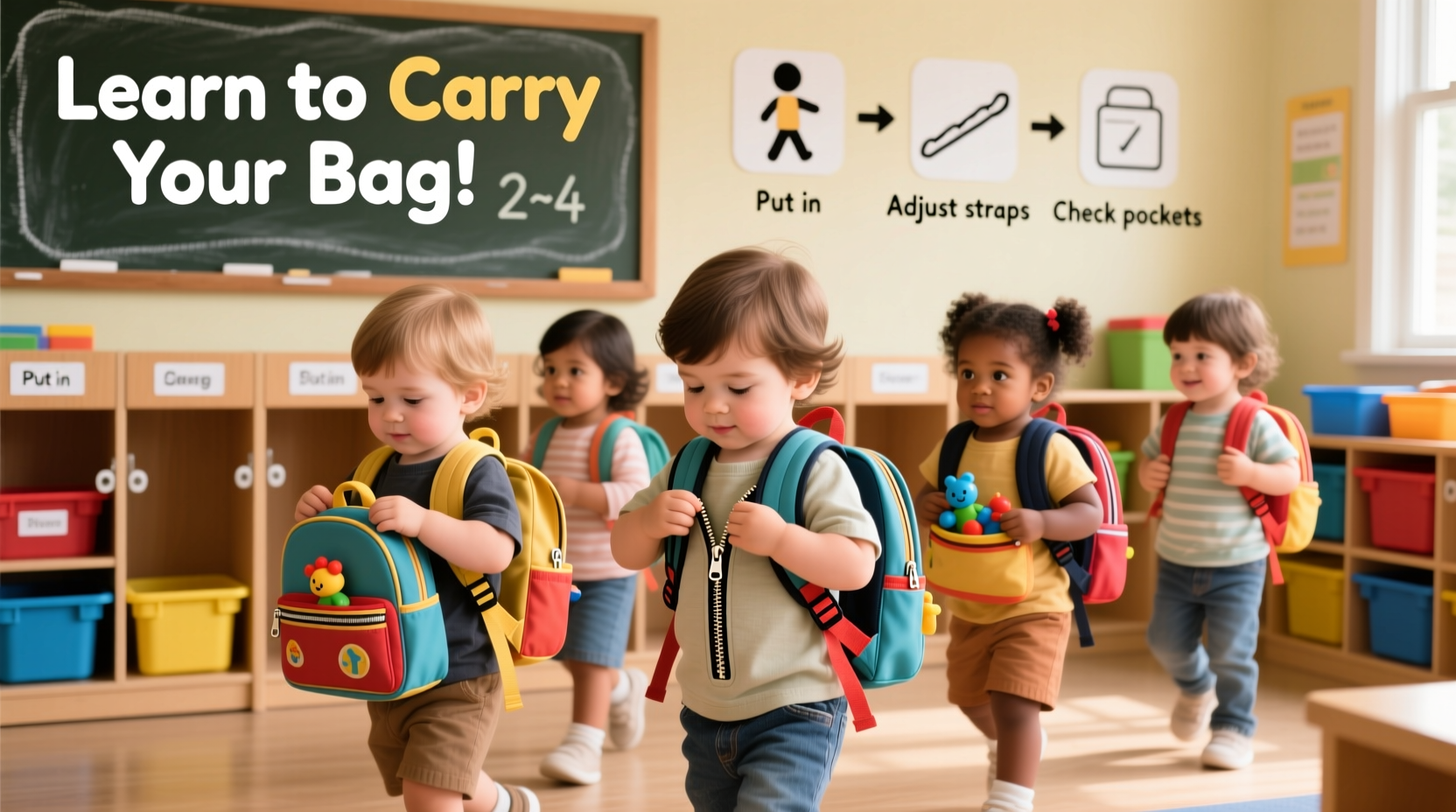
Toddlers between the ages of 2 and 4 are developing rapidly in terms of motor skills, language, and emotional regulation. Introducing simple responsibilities like managing a backpack aligns with their growing sense of autonomy. According to child development experts, assigning age-appropriate tasks helps build confidence and reinforces the idea that they are capable contributors to daily routines.
Carrying a backpack encourages physical coordination and strengthens core muscles. More importantly, caring for it—zipping it up, placing items inside, unpacking when needed—builds cognitive habits such as sequencing, memory, and cause-and-effect reasoning. These are foundational skills that support future academic and social success.
“When toddlers take ownership of personal items, even something as simple as a backpack, they begin to internalize responsibility. It’s not about perfection—it’s about practice.” — Dr. Lena Peterson, Early Childhood Development Specialist
Step-by-Step Guide to Teaching Backpack Use
Success comes from breaking down the process into manageable steps. Follow this timeline over several days or weeks, depending on your child’s pace.
- Choose the Right Backpack: Pick one that fits properly—shoulder straps adjustable, lightweight material, and no heavier than 10–15% of the child’s body weight.
- Introduce the Backpack at Home: Let your child wear it around the house during playtime to get used to the feeling.
- Practice Putting It On and Taking It Off: Demonstrate how to slide arms through straps and adjust them. Use songs or rhymes to make it fun (“Arms in, zip up, shoulders back!”).
- Add Light Contents: Start with soft toys or a favorite book to simulate real use without strain.
- Teach Zipping and Unzipping: Use visual cues or colored tape on zippers to indicate top and bottom.
- Establish a Routine: Designate a spot for the backpack at home (e.g., a hook by the door) and encourage your child to hang it there after use.
- Practice Packing and Unpacking: Involve them in placing in a snack, water bottle, or change of clothes before an outing, then unpack together afterward.
Do’s and Don’ts When Teaching Backpack Care
| Do’s | Don’ts |
|---|---|
| Use positive reinforcement consistently | Force your child to carry it if they’re struggling physically |
| Label the backpack with their name and picture | Overload it with heavy or unnecessary items |
| Check the backpack weekly for forgotten snacks or spills | Ignore tears, broken zippers, or hygiene issues |
| Involve your child in cleaning it (wipeable interiors) | Scold them for forgetting something inside |
| Model behavior by using your own bag responsibly | Take over the task completely—even if it’s faster |
Real Example: How the Rivera Family Built the Habit
The Riveras introduced a backpack to their 3-year-old daughter, Sofia, two weeks before her first preschool session. They started by letting her decorate it with iron-on patches of animals she liked. At home, they played “school bus” every morning—Sofia would pack her stuffed bear and a drawing, carry the backpack to the front door, and “board the bus” (a chair labeled with paper). Her parents praised each effort, even when she forgot to zip it.
After a week, they added a small water bottle. When Sofia spilled it once, instead of reacting negatively, they calmly said, “Let’s clean it together and remember to close the lid next time.” By the time school started, Sofia was confidently carrying her backpack, knew where to put it upon arrival, and could identify her belongings inside. Her teacher noted how prepared and self-assured she seemed compared to peers who relied on adults for everything.
Essential Tips for Long-Term Success
- Keep it light: A toddler’s backpack should never exceed 2–3 pounds, including contents. Heavy loads can affect posture and discourage use.
- Make it personal: Let your child choose the design or color. Ownership increases motivation to care for it.
- Use visual schedules: Attach a laminated checklist inside the flap showing what goes in (e.g., picture of a snack, tissue pack, hat).
- Routine is key: Always unpack together after outings. Turn it into a game: “Can you find the red apple sticker we packed?”
- Rotate contents: Change small items weekly (a new coloring sheet, different toy) to maintain interest.
Backpack Care Checklist for Parents
Use this actionable checklist to ensure both the backpack and the learning process stay on track:
- ✅ Choose a child-sized backpack with padded straps and reflective details for safety.
- ✅ Label the backpack inside and out with name and contact info.
- ✅ Practice donning and doffing at home for at least five consecutive days.
- ✅ Introduce one item at a time to pack and retrieve independently.
- ✅ Set up a designated storage spot at home (hook, bin, shelf).
- ✅ Clean the backpack monthly—or sooner if spills occur—using mild soap and a damp cloth.
- ✅ Inspect for wear and tear weekly (broken zippers, loose straps).
- ✅ Praise effort, not just results. Celebrate small wins like remembering to zip up.
Frequently Asked Questions
What if my toddler refuses to wear the backpack?
Resistance is common. Try letting them decorate it, role-play with a doll’s backpack, or temporarily carry it for short distances. Avoid power struggles—focus on gradual exposure and positive associations.
How do I teach my child not to throw or drag the backpack?
Explain gently that backpacks are like pets—they need to be treated kindly. Use playful reminders: “Your backpack doesn’t like being on the floor. Can you help it stand up?” Consistent redirection works better than punishment.
Should I pack the backpack for them or let them do it?
Start by doing it together. Over time, shift responsibility to your child while supervising. Ask questions like, “What do we need today?” to prompt independent thinking. Full independence takes months—progress matters more than speed.
Final Thoughts: Small Bag, Big Lessons
A toddler’s backpack is more than a container for snacks and crayons. It’s a vehicle for growth—one that carries lessons in accountability, motor skills, and decision-making. The habits formed now lay the groundwork for future independence in school and beyond. Every time a child zips up their bag, places it on their shoulders, or hangs it on a hook, they’re saying, “I can do this.”
As parents, the goal isn’t perfection. It’s presence—being there to guide, cheer, and occasionally wipe jelly off the lining. With consistent encouragement and realistic expectations, your toddler will not only carry their backpack but also carry the confidence that comes with responsibility.




 浙公网安备
33010002000092号
浙公网安备
33010002000092号 浙B2-20120091-4
Comments
No comments yet. Why don't you start the discussion?