
Chest bags have become essential companions for urban commuters, travelers, and outdoor enthusiasts. Compact, convenient, and stylish, they keep essentials close at hand. But when the skies open or humidity rises, unprotected materials can suffer water stains, mold growth, zipper corrosion, and internal damage to electronics or documents. Moisture is one of the most common yet preventable threats to bag longevity. With a few strategic habits and tools, you can significantly reduce the risk of water-related deterioration—without sacrificing style or accessibility.
Choose Water-Resistant Materials Wisely
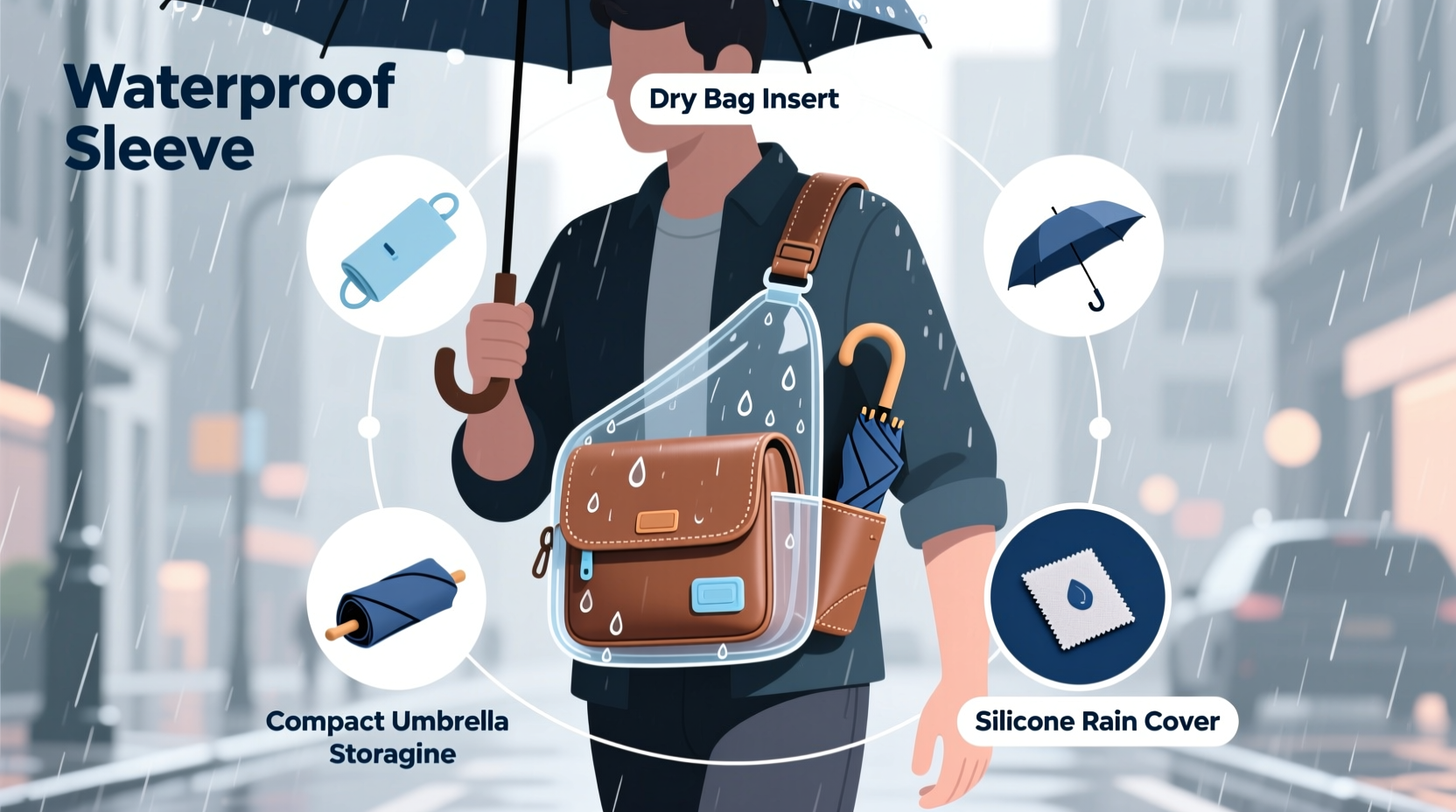
The foundation of moisture protection starts before purchase. Not all chest bags are created equal when it comes to weather resistance. While no fabric is entirely waterproof unless specially treated, certain materials naturally repel water better than others.
- Nylon and polyester: These synthetics are inherently water-resistant, lightweight, and quick-drying. Look for high-denier counts (e.g., 600D or higher) for added durability.
- Cordura or ballistic nylon: Often used in tactical and outdoor gear, these fabrics offer superior abrasion and moisture resistance.
- Waxed canvas: Treated with natural waxes, this material sheds light rain effectively and develops a rugged patina over time.
- Genuine leather: Naturally breathable but vulnerable to water damage unless conditioned and treated with protective sprays.
Apply Protective Treatments Regularly
Even water-resistant fabrics benefit from additional protection. Fabric sealants and conditioners enhance a bag’s ability to repel moisture without altering breathability.
Silicone-based or fluoropolymer sprays create an invisible barrier on synthetic fibers. For natural materials like leather or canvas, use beeswax-based conditioners or specialized protectants that preserve texture while improving water beading.
“Reapplying a fabric protector every 3–6 months can restore lost water resistance, especially after cleaning.” — Marcus Lin, Outdoor Gear Technician
To apply:
- Clean the bag thoroughly and let it dry completely.
- Hold the spray 15–20 cm from the surface and apply evenly.
- Let it cure for 12–24 hours before use.
Avoid oversaturation, which can clog fabric pores and reduce breathability.
Use Rain Covers and Packing Strategies
When heavy rain is expected, proactive physical barriers are your best defense. Many premium chest bags come with built-in roll-out rain covers stored in a bottom compartment. If yours doesn’t, third-party universal rain shields are affordable and compact.
Alternatively, line the interior with a simple trash compactor bag or reusable silicone pouch. These act as secondary moisture barriers for contents. Never rely solely on zippers—they’re rarely fully waterproof under pressure.
| Protection Method | Effectiveness | Best For |
|---|---|---|
| Rain cover (built-in or add-on) | ★★★★☆ | Heavy rain, prolonged exposure |
| Fabric protector spray | ★★★☆☆ | Daily drizzle, humidity |
| Internal dry bag/liner | ★★★★★ | Electronics, documents, valuables |
| Waxed canvas construction | ★★★★☆ | Urban commuting, light showers |
Real-World Scenario: A Commuter’s Mistake
Jamal, a graphic designer in Seattle, carried his favorite nylon chest bag daily. Despite frequent light rain, he assumed “water-resistant” meant sufficient protection. After three months, he noticed dark spots forming along the seams and a faint musty odor. His phone charger had corroded, and the lining was beginning to delaminate.
Upon inspection, a repair technician explained that surface water had seeped through micro-gaps during downpours, pooling inside due to lack of internal lining protection. The fix? A $25 rain cover and double-layering critical items in sealed pouches. Since then, Jamal’s bag has survived two full Pacific Northwest winters without issue.
Maintain Proper Drying and Storage Habits
After exposure to moisture—even brief—it’s crucial to dry your bag correctly. Never toss a damp bag into a closet or leave it near a heater. Rapid, uneven drying warps materials and encourages mildew.
Follow this step-by-step drying protocol:
- Empty the bag completely, removing all contents.
- Wipe exterior surfaces with a clean, absorbent cloth.
- Open all compartments and zippers to maximize airflow.
- Hang in a well-ventilated room away from direct sunlight or heat sources.
- Allow 12–24 hours to air dry fully before storage or reuse.
For leather or waxed canvas, conditioning after drying helps restore suppleness and prevent cracking.
Do’s and Don’ts of Moisture Care
| Do | Don’t |
|---|---|
| Use silica gel packs in storage | Store a damp bag in a plastic bin |
| Reapply protectant seasonally | Machine-wash untreated leather |
| Inspect seams and zippers monthly | Use household cleaners on fabric |
| Carry a foldable rain cover | Leave bag in car overnight during rain |
Essential Maintenance Checklist
Stay ahead of moisture damage with this practical checklist. Perform routine checks monthly or after heavy use.
- ✅ Inspect for frayed seams or worn coatings
- ✅ Test water repellency by sprinkling a few drops—if they bead up, protection is effective
- ✅ Clean gently with pH-neutral wipe or damp cloth
- ✅ Reapply fabric or leather protector if water no longer beads
- ✅ Store with a moisture absorber like silica gel
- ✅ Rotate usage if you own multiple bags to avoid overexposure
“Prevention costs pennies; replacement costs hundreds. A five-minute maintenance routine saves money and preserves function.” — Lena Patel, Sustainable Fashion Consultant
Frequently Asked Questions
Can I wash my chest bag if it gets wet?
Spot cleaning is recommended. Submerging most chest bags—especially those with padding, electronics compartments, or metal hardware—can damage structure and coatings. Use a soft cloth with mild soap and lukewarm water, then air dry thoroughly.
Are all “water-resistant” bags the same?
No. Water resistance varies widely. Some resist light splashes; others handle steady rain. Check manufacturer specifications for hydrostatic head ratings (measured in mm). Ratings above 1,500mm indicate decent rain protection; 5,000mm+ is ideal for wet climates.
How do I remove mold if it forms inside?
Act quickly. Mix equal parts white vinegar and water. Dab onto affected areas with a microfiber cloth, then wipe with clean water. Dry completely in circulating air. For persistent cases, use a specialized anti-mold fabric cleaner. Discard heavily infested linings to prevent spore spread.
Protect Your Investment—Every Drop Counts
Your chest bag carries more than just belongings—it holds your daily essentials, perhaps even your peace of mind. Treating it with consistent care ensures it remains functional, fresh, and resilient against the elements. From choosing the right material to adopting smart drying practices, each small action compounds into years of reliable service. Don’t wait for the first stain or musty smell to take action. Start today: inspect your bag, refresh its coating, and pack a compact rain cover. With these practical steps, you’re not just shielding fabric—you’re preserving performance.




 浙公网安备
33010002000092号
浙公网安备
33010002000092号 浙B2-20120091-4
Comments
No comments yet. Why don't you start the discussion?