
When shopping for a printed dress, color and cut often take center stage. But beneath the surface, the fabric choice—cotton versus polyester—can quietly shape your experience from wear to wash. While marketing may paint both as equally viable, the reality is more nuanced. From breathability to environmental impact, the material matters far more than many realize. This isn’t about fashion dogma; it’s about function, comfort, and long-term value.
The Comfort Factor: How Fabric Feels on Skin
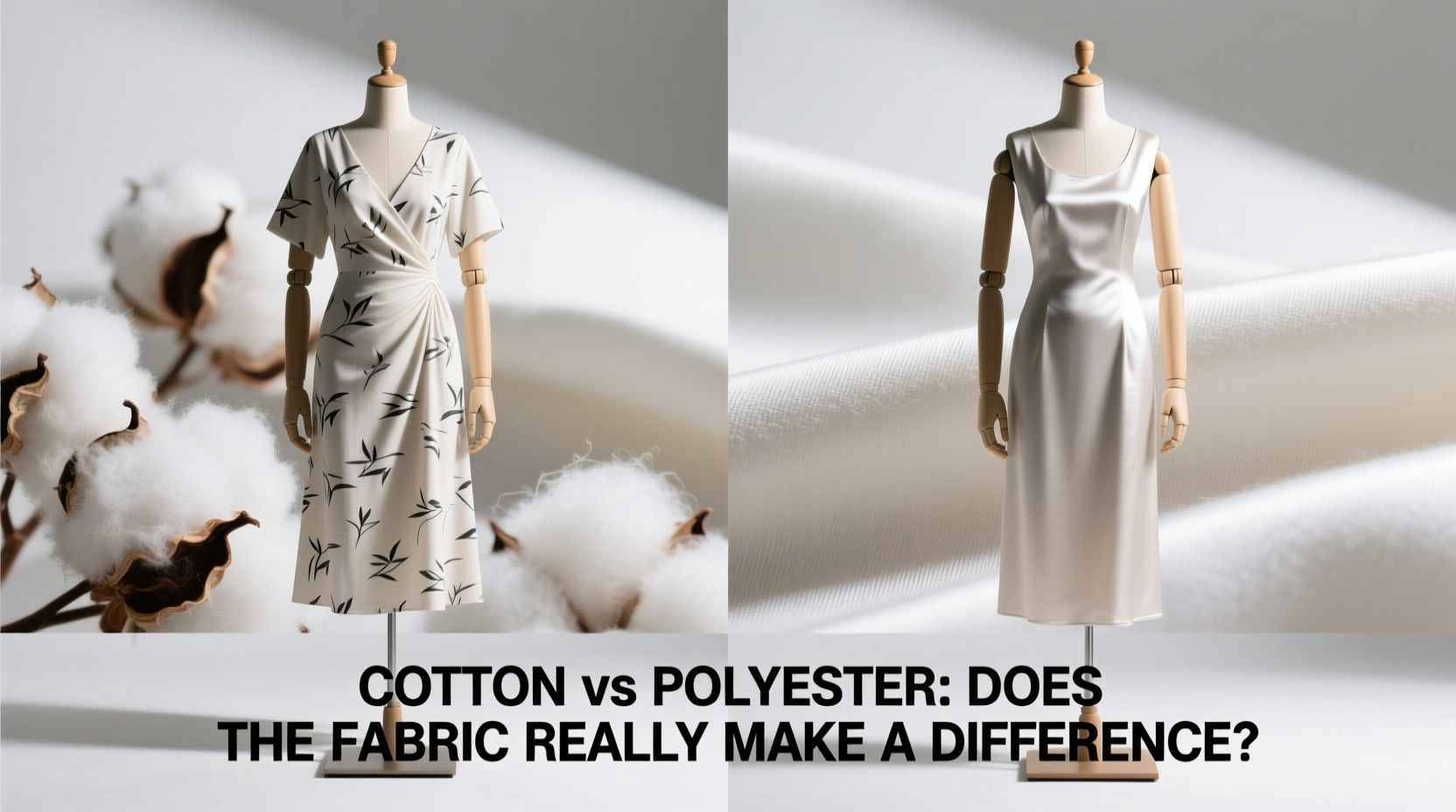
Cotton has long been celebrated for its softness and breathability. As a natural fiber derived from the cotton plant, it allows air to circulate, making it ideal for warm weather. Its moisture-wicking properties mean it absorbs sweat without feeling clammy, which contributes to an overall comfortable wearing experience. Printed cotton dresses often drape gently and feel light against the skin, especially in loose silhouettes.
Polyester, on the other hand, is a synthetic fiber made from petroleum-based polymers. It doesn’t breathe as well as cotton and tends to trap heat and moisture. While modern microfiber polyester has improved in texture and flexibility, it still lacks the innate comfort of natural fibers. In humid conditions, polyester can feel sticky or suffocating, particularly in tightly woven prints.
Durability and Longevity: Which Dress Lasts Longer?
Polyester wins in raw durability. It resists shrinking, stretching, and wrinkling far better than cotton. A printed polyester dress can survive dozens of washes with minimal fading or shape loss, especially if cared for properly. Its resistance to abrasion makes it suitable for frequent wear, travel, or active lifestyles.
Cotton, while strong when dry, weakens when wet and is more prone to pilling and fraying over time. High-quality cotton (like combed or ring-spun) holds up better, but even then, repeated laundering leads to gradual softening and thinning of the fabric. However, cotton’s aging process is often seen as graceful—it develops a lived-in look rather than looking cheap.
The print longevity also differs. Inkjet or screen-printed designs on cotton may fade faster due to the absorbent nature of the fibers, whereas polyester’s surface retains dye more effectively, especially with sublimation printing techniques.
“Polyester’s strength lies in resilience, but cotton offers a tactile quality that synthetics still struggle to replicate.” — Dr. Lena Patel, Textile Scientist at the Institute of Apparel Innovation
Care and Maintenance: What’s Easier to Keep Looking Good?
Maintenance habits directly affect how long a dress looks fresh. Cotton requires more attention: it typically shrinks in hot water, needs ironing to remove wrinkles, and benefits from air drying to preserve fiber integrity. Harsh detergents can accelerate fading, especially on vibrant prints.
Polyester is low-maintenance by comparison. It’s machine-washable at lower temperatures, dries quickly, and rarely needs ironing. However, it’s prone to static cling and can attract body oils and odors that are harder to wash out over time. Additionally, washing polyester releases microplastics into water systems—a growing environmental concern.
Step-by-Step Guide to Extending Dress Lifespan
- Wash inside out to protect printed surfaces.
- Use cold water for both cotton and polyester to reduce fading and energy use.
- Avoid bleach, especially on cotton, which degrades fibers.
- Hang dry or tumble dry low—high heat damages both fabrics differently.
- Store folded or on padded hangers to maintain shape, especially for cotton.
Sustainability and Environmental Impact
This is where the fabric debate becomes most consequential. Cotton is biodegradable and renewable, but conventional cotton farming is notoriously resource-intensive. It requires vast amounts of water—up to 2,700 liters for a single dress—and heavy pesticide use unless certified organic.
Polyester reduces land and water use but introduces different problems. It’s not biodegradable and can persist in landfills for hundreds of years. Worse, every wash releases microplastic fibers that pollute oceans and enter the food chain. Recycled polyester (rPET) improves this footprint slightly, but it still sheds microplastics and relies on fossil fuel infrastructure.
So while polyester may seem efficient in production, its end-of-life impact is severe. Cotton, though taxing during growth, breaks down naturally and poses fewer long-term ecological threats when untreated.
Real-World Example: Two Dresses, One Summer
Sophie, a teacher in Florida, bought two summer dresses for her vacation: one 100% cotton with a floral print, the other 100% polyester with a similar design. Over three weeks of daily wear, the cotton dress felt cooler and more comfortable in the heat, but required ironing after each wash and showed visible fading by week three. The polyester dress stayed crisp and wrinkle-free, surviving beach days and poolside lounging without losing shape. However, Sophie noticed it held onto sweat odor more than expected, needing more frequent washing despite not feeling dirty.
By the end of the trip, she preferred the cotton dress for comfort but appreciated the convenience of the polyester one. Her takeaway? The fabric wasn’t just hype—it shaped her entire experience.
Fabric Comparison Table: Cotton vs Polyester at a Glance
| Feature | Printed Cotton | Printed Polyester |
|---|---|---|
| Breathability | High – excellent for hot weather | Low – traps heat and moisture |
| Wrinkle Resistance | Low – requires ironing | High – stays smooth |
| Print Durability | Moderate – may fade with washing | High – holds dye well |
| Environmental Impact | High water/pesticide use, but biodegradable | Low water use, but non-biodegradable and sheds microplastics |
| Wash Care | Delicate – cold wash, air dry | Easy – machine wash, quick dry |
| Lifespan | 2–5 years with proper care | 5+ years, but degrades slowly in environment |
FAQ: Common Questions About Printed Cotton and Polyester Dresses
Does polyester always feel “plastic-y”?
Not always. Modern finishing techniques and blending with natural fibers (like cotton-poly blends) can make polyester feel softer and less synthetic. However, in humid conditions, the lack of breathability often becomes noticeable regardless of texture.
Can I recycle a cotton or polyester dress?
Yes, but with caveats. Pure cotton garments can be composted if free of synthetic dyes or trims. Polyester can be recycled into new fibers through specialized programs, but most curbside recycling doesn’t accept textiles. Look for brand take-back initiatives or textile recycling drop-offs.
Are cotton-polyester blends a good compromise?
They can be. Blends like 65% polyester / 35% cotton offer improved wrinkle resistance and durability while adding some breathability. However, they still shed microplastics and complicate recycling due to mixed fibers.
Making the Right Choice for Your Lifestyle
The fabric truly does make a difference—not because one is universally better, but because each serves different needs. If you prioritize comfort, natural materials, and seasonal wear, cotton is likely your best bet. If you need a durable, travel-friendly option that resists wrinkles and withstands frequent washing, polyester has practical advantages.
The key is intentionality. Ask yourself: Will I wear this daily or occasionally? Do I live in a hot climate? Am I willing to invest time in garment care? Is sustainability a priority? Answering these honestly helps cut through marketing noise and aligns your choices with real-world use.
“The best fabric isn’t the trendiest or cheapest—it’s the one that fits your life.” — Marcus Tran, Sustainable Fashion Consultant
Final Thoughts: Beyond the Hype
The debate between printed cotton and polyester isn’t hype—it’s a legitimate conversation about trade-offs. Cotton offers comfort and biodegradability at the cost of higher maintenance and resource use. Polyester delivers durability and ease at the expense of breathability and environmental persistence. Neither is perfect, but both have their place.
As consumers become more informed, the power shifts from passive buying to conscious choosing. By understanding what each fabric brings—and sacrifices—you gain control over your wardrobe’s comfort, longevity, and impact.




 浙公网安备
33010002000092号
浙公网安备
33010002000092号 浙B2-20120091-4
Comments
No comments yet. Why don't you start the discussion?