
Beaded bracelets are more than just accessories—they're expressions of personal style, cultural heritage, or meaningful symbols. Whether handmade from natural gemstones, glass, wood, or synthetic materials, their beauty lies in both design and detail. However, daily wear exposes them to sweat, oils, dust, and environmental pollutants that dull their luster over time. Without proper care, beads can crack, strings weaken, and colors fade. The good news? With the right techniques, your beaded bracelet can retain its brilliance for years. This comprehensive guide walks you through every step of maintenance, from gentle cleaning to smart storage, ensuring your favorite piece remains as striking as the day you first wore it.
Understanding Your Bead Material
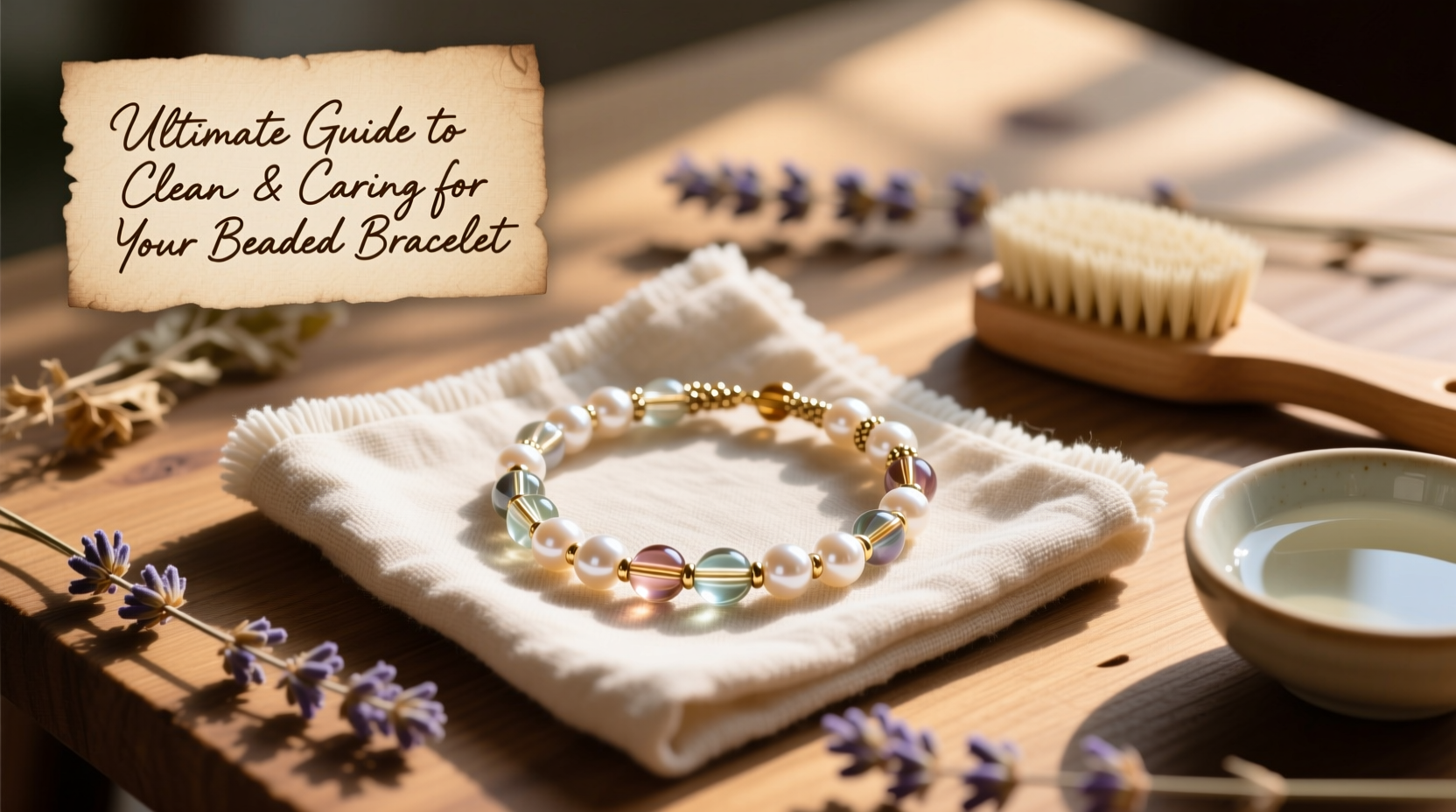
Not all beads are created equal. The first rule of proper care is knowing what your bracelet is made of. Different materials react differently to water, chemicals, and friction. Common bead types include:
- Gemstone (e.g., amethyst, jade, lapis lazuli): Porous and sensitive to harsh cleaners; some soften or discolor when wet.
- Wood or bone: Highly absorbent; avoid moisture to prevent warping or cracking.
- Resin or plastic: Durable but prone to scratches and chemical damage from perfumes or lotions.
- Crystal or glass: Less porous but can lose shine if not wiped regularly.
- Pearls (natural or imitation): Extremely delicate—require minimal water exposure and should never be submerged.
Cleaning methods must align with material properties. For example, soaking a wooden mala bracelet can cause swelling and breakage, while a glass-beaded bangle may tolerate mild soap and water. Always check manufacturer instructions if available.
Step-by-Step Cleaning Process by Material Type
Cleaning doesn’t mean deep scrubbing. For most beaded bracelets, gentle surface care is sufficient and safer. Follow this timeline based on your bead type:
- Dry Wipe (All Materials – Weekly): Use a soft, lint-free cloth (microfiber works well) to remove surface oils and dust. Gently roll the cloth between each bead.
- Spot Clean (Gemstone/Glass – Monthly): Dampen a corner of the cloth with distilled water. Lightly wipe individual beads, avoiding the string or elastic. Dry immediately.
- Deep Clean (Non-Porous Only – Every 3–6 Months): For glass or resin beads, mix one drop of mild dish soap with a cup of lukewarm water. Dip a soft brush (like a clean toothbrush) into the solution and gently clean between beads. Rinse the brush, not the bracelet. Pat dry with a towel and air-dry flat for 30 minutes.
- Conditioning (Wood/Bone – Rarely): Once every few months, apply a tiny amount of food-grade mineral oil with a cotton swab. Wipe off excess after 5 minutes. Never use vegetable oils—they can go rancid.
Never submerge any beaded bracelet unless you’re certain the stringing material (elastic, silk, nylon) and beads are waterproof. Water weakens knots and stretches elastic, leading to sudden breakage.
Do’s and Don’ts: Bead Care at a Glance
| Do | Don't |
|---|---|
| Clean with a dry microfiber cloth weekly | Soak in water or cleaning solutions |
| Remove before swimming, showering, or exercising | Wear while applying perfume, lotion, or hairspray |
| Store flat or hanging loosely to preserve shape | Toss into a drawer where it can tangle or get crushed |
| Inspect knots and string tension monthly | Pull or stretch the bracelet unnecessarily |
Expert Insight: Why Routine Matters
“Most bead damage happens gradually—oils erode finishes, friction wears down threads, and UV light fades pigments. A two-minute wipe-down once a week does more for longevity than any deep clean.” — Lena Torres, Jewelry Conservator at the Metropolitan Artisan Collective
Torres emphasizes that preventive care outweighs restoration. “People wait until a bracelet looks dull or breaks before acting. But by then, the structural integrity is often compromised. Think of your bracelet like a fine instrument—it needs tuning, not emergency repair.”
Real-Life Example: The Overlooked Mala
Sophie, a yoga instructor in Portland, wore her sandalwood mala every day during classes and meditation. After six months, she noticed cracks forming along several beads and an unpleasant odor. She assumed it was normal wear. Upon consulting a specialist, she learned that daily exposure to sweat and essential oils had saturated the wood. The fix? A gentle wipe with a barely damp cloth after each use and occasional conditioning prevented further damage. Within weeks, the mala regained its warmth and scent. Sophie now keeps a small care kit in her studio—a reminder that even spiritual pieces need practical attention.
Storage Solutions That Preserve Integrity
How you store your bracelet impacts its lifespan as much as how you clean it. Tangled cords lead to stress points. Exposure to sunlight fades dyes. Humidity breeds mold in organic materials.
Best practices:
- Use a fabric-lined jewelry box with separate compartments.
- Hang delicate strands on padded hooks or lay flat in a soft pouch.
- Avoid plastic bags—they trap moisture and promote tarnish on metal spacers.
- Store away from direct sunlight and heat sources like radiators or windowsills.
Frequently Asked Questions
Can I wear my beaded bracelet in the shower?
No. Even if the beads appear durable, water compromises the stringing material. Elastic degrades quickly when wet, and glued components (common in resin beads) can loosen. Always remove before bathing.
How often should I restring my bracelet?
Every 12 to 18 months for frequently worn pieces. Inspect for fraying, stretched elastic, or loose knots. If the bracelet no longer snaps back into place or feels slack, it’s time to restring. Silk-threaded designs should be checked annually due to knot wear.
Why has my white bead turned yellow?
Discoloration often results from prolonged exposure to skin oils, sunscreen, or UV light. Natural materials like bone or shell are especially prone. Prevent this by rotating wear and storing in the dark. Mild discoloration can sometimes be reduced with a quick wipe using a cloth dampened with rubbing alcohol (use sparingly and only on non-porous beads).
Essential Care Checklist
Stay proactive with this simple monthly routine:
- Inspect the bracelet for loose beads, frayed thread, or stretched elastic.
- Wipe down with a dry microfiber cloth.
- Check for discoloration or odor, especially in organic materials.
- Ensure storage is clean, dry, and free of pressure points.
- Rotate wear if you have multiple bracelets to reduce strain on one piece.
Conclusion: Honor Your Bracelet with Consistent Care
Your beaded bracelet carries more than aesthetic value—it may hold emotional significance, spiritual meaning, or represent craftsmanship worth preserving. By understanding its materials, cleaning with precision, and storing with intention, you protect both its appearance and structural health. Small habits make the biggest difference: a quick wipe after wear, mindful storage, and regular inspections can extend its life dramatically. Treat your bracelet not just as an accessory, but as a cherished object deserving of respect and care.




 浙公网安备
33010002000092号
浙公网安备
33010002000092号 浙B2-20120091-4
Comments
No comments yet. Why don't you start the discussion?