
Maggots appearing on your floor are more than just a disturbing sight—they signal a deeper issue with sanitation or pest infestation. These wriggling larvae, typically from flies such as houseflies or blowflies, thrive in moist, decaying organic matter. Left unchecked, they can multiply rapidly and contaminate living spaces. The good news is that with prompt action and the right approach, you can eliminate them safely and prevent future outbreaks. This guide outlines practical, science-backed methods to remove maggots effectively while safeguarding your home environment.
Understanding the Maggot Problem
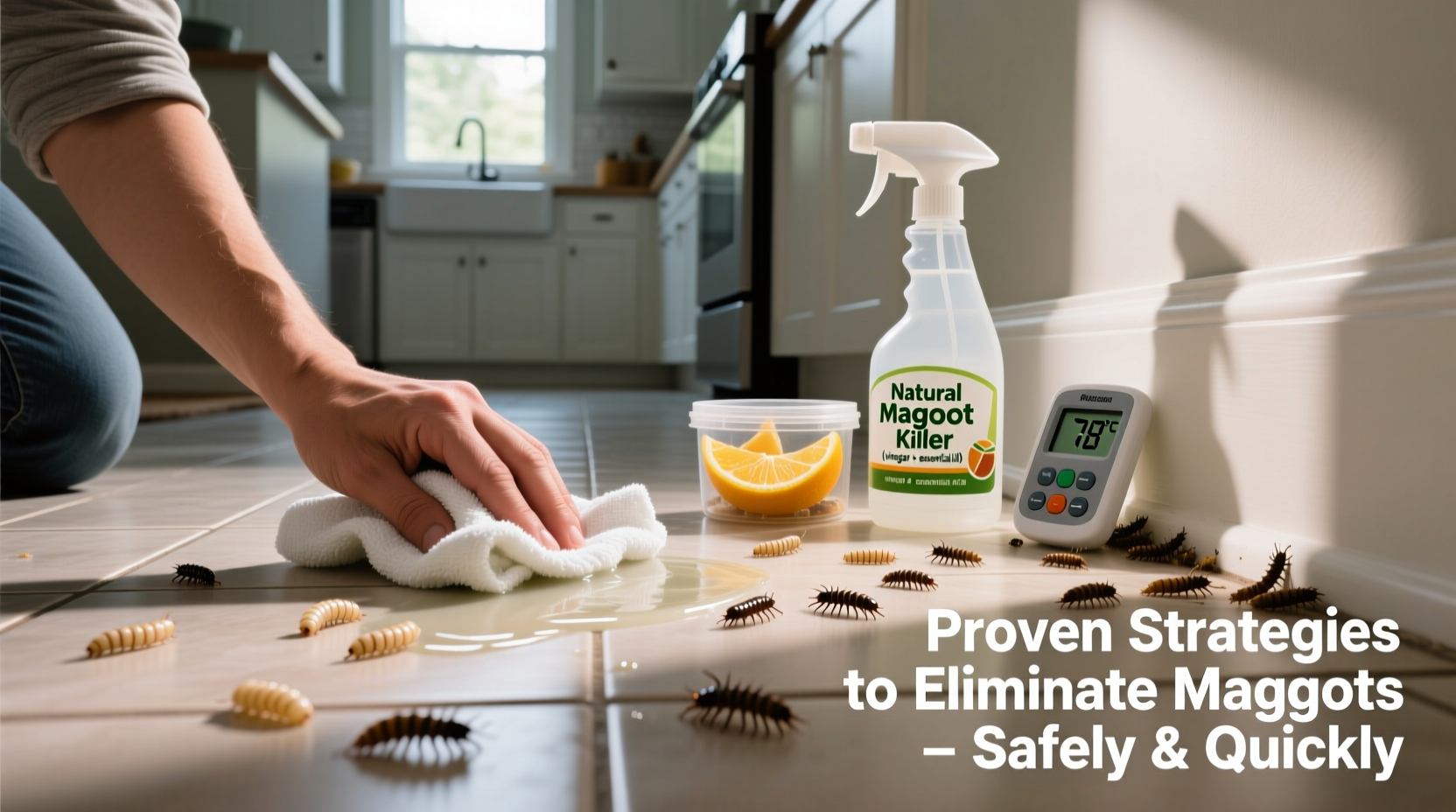
Maggots do not appear out of nowhere. Their presence means adult flies have found a suitable breeding ground nearby—often food waste, pet droppings, spilled liquids, or decomposing plant material. Floors near kitchens, garbage areas, or pet zones are common hotspots. Identifying the source is critical; otherwise, any cleanup effort will be temporary.
Flies lay hundreds of eggs at a time, often in hidden crevices or under appliances. Within 8–20 hours, these hatch into larvae (maggots), which feed voraciously for 3–5 days before pupating. This short lifecycle means an infestation can escalate quickly if ignored.
“Maggot infestations are almost always preventable with proper hygiene and waste management. The key is breaking the breeding cycle early.” — Dr. Lena Patel, Entomologist & Public Health Specialist
Step-by-Step Guide to Immediate Maggot Removal
When you spot maggots on your floor, act swiftly. Delay increases the risk of spread and secondary contamination. Follow this timeline to eliminate them efficiently:
- Isolate the Area: Keep children and pets away. Close off the room if possible to prevent migration.
- Remove Visible Maggots: Use a paper towel or vacuum to collect live larvae. Dispose of them in a sealed plastic bag in an outdoor trash bin.
- Boil Water Treatment: Pour boiling water directly onto affected floor areas. This kills maggots and eggs on contact. Repeat twice for effectiveness.
- Scrub with Soapy Water: Clean the floor thoroughly with hot water and dish soap to remove organic residue that attracts flies.
- Disinfect with Vinegar Solution: Mix equal parts white vinegar and water. Apply to the area and let sit for 10 minutes before wiping. Vinegar disrupts microbial growth and deters egg-laying.
- Dry Completely: Use fans or open windows to dry the area. Moisture encourages fly activity.
Safe and Natural Maggot-Killing Alternatives
Not all households can use chemical pesticides due to pets, infants, or sensitivities. Fortunately, several non-toxic options are effective:
- Diatomaceous Earth (Food Grade): Sprinkle a thin layer on dry floors where maggots were seen. It dehydrates larvae without harming humans or pets when used correctly.
- Salt: Generously sprinkle salt over maggots. It draws out moisture and kills them within hours.
- Lemon Juice and Cloves: Boil lemon slices and cloves in water, then pour the liquid around baseboards. The scent repels flies and inhibits breeding.
- Essential Oils: A few drops of eucalyptus, peppermint, or tea tree oil in a spray bottle with water can deter flies when applied to entry points.
These methods are especially useful for recurring issues or sensitive environments like homes with asthmatic individuals or reptile/pet enclosures.
Do’s and Don’ts: Preventing Future Infestations
| Do’s | Don’ts |
|---|---|
| Seal garbage in double bags and take it out daily | Leave food scraps or dirty dishes overnight |
| Clean under appliances weekly | Ignore damp spots or leaks under sinks |
| Use fine mesh screens on windows and vents | Compost indoors without a sealed bin |
| Inspect pet bedding and litter boxes regularly | Use strong chemical sprays near food preparation areas |
| Vacuum cracks and corners frequently | Assume one cleanup is enough after spotting maggots |
Real Example: How a Family Resolved a Kitchen Floor Infestation
The Thompson family in Portland noticed small white worms near their dishwasher after returning from a weekend trip. At first, they assumed it was a plumbing leak, but closer inspection revealed hundreds of tiny moving larvae. They followed a structured response:
They removed the dishwasher and found rotting food debris trapped beneath, caused by a slow leak. After removing the organic buildup, they poured boiling water mixed with vinegar into the gap, then applied food-grade diatomaceous earth. They also began taking out the kitchen trash every morning instead of letting it accumulate overnight. Within 48 hours, no new maggots appeared. Two weeks later, with consistent cleaning and improved waste habits, the problem had not returned.
This case highlights how hidden decay sources—especially under appliances—can become breeding grounds even in clean homes.
Essential Prevention Checklist
To maintain a maggot-free home, adopt these routine practices:
- ✅ Inspect under sinks, refrigerators, and stoves weekly for spills or debris
- ✅ Store trash in bins with tight-fitting lids
- ✅ Clean pet areas at least once daily
- ✅ Repair leaking pipes or faucets promptly
- ✅ Seal gaps around windows, doors, and utility entries
- ✅ Empty indoor compost bins every 2–3 days
- ✅ Wash mops and cleaning cloths in hot water after use
- ✅ Use fly traps or UV light units in high-risk areas during warm months
Frequently Asked Questions
Can maggots climb walls or survive on dry surfaces?
Yes, maggots can crawl short distances across walls and floors in search of food or moisture. While they prefer damp, organic-rich environments, they can survive briefly on dry surfaces if recently emerged. However, they cannot live long without a food source.
Are maggots harmful to humans?
While maggots themselves don’t bite, they can carry bacteria like Salmonella and E. coli from decaying matter. Direct contact or inhalation of contaminated dust may cause gastrointestinal illness or allergic reactions. Always wear gloves and a mask when cleaning infested areas.
How long does it take to get rid of maggots completely?
With immediate action, visible maggots can be eliminated within 24–48 hours. However, complete eradication—including preventing reinfestation—requires ongoing vigilance for 7–10 days to ensure no new eggs hatch. Repeat cleaning and monitoring during this period is essential.
Final Steps for Long-Term Success
Eliminating maggots isn’t just about killing the current batch—it’s about disrupting the conditions that allowed them to thrive. Most infestations stem from overlooked sanitation lapses rather than structural flaws. By combining immediate physical removal with preventive habits, you create a hostile environment for flies and their offspring.
Focus on consistency: daily waste disposal, weekly deep cleaning of hidden spaces, and seasonal inspection of entry points. Over time, these actions build a resilient defense against not only maggots but other pests like ants, cockroaches, and rodents.




 浙公网安备
33010002000092号
浙公网安备
33010002000092号 浙B2-20120091-4
Comments
No comments yet. Why don't you start the discussion?