
Dropshipping on Shopify has evolved from a side-hustle shortcut to a legitimate path for sustainable e-commerce income. But while entry barriers are low, long-term profitability requires more than just setting up a store and waiting for sales. Thousands of new stores launch every day—only a fraction generate consistent revenue. The difference lies in strategy: choosing the right products, optimizing conversions, building brand trust, and scaling intelligently.
This guide breaks down actionable, field-tested methods used by top-performing Shopify dropshippers to increase margins, reduce customer acquisition costs, and build repeatable success.
Select High-Margin, Problem-Solving Products
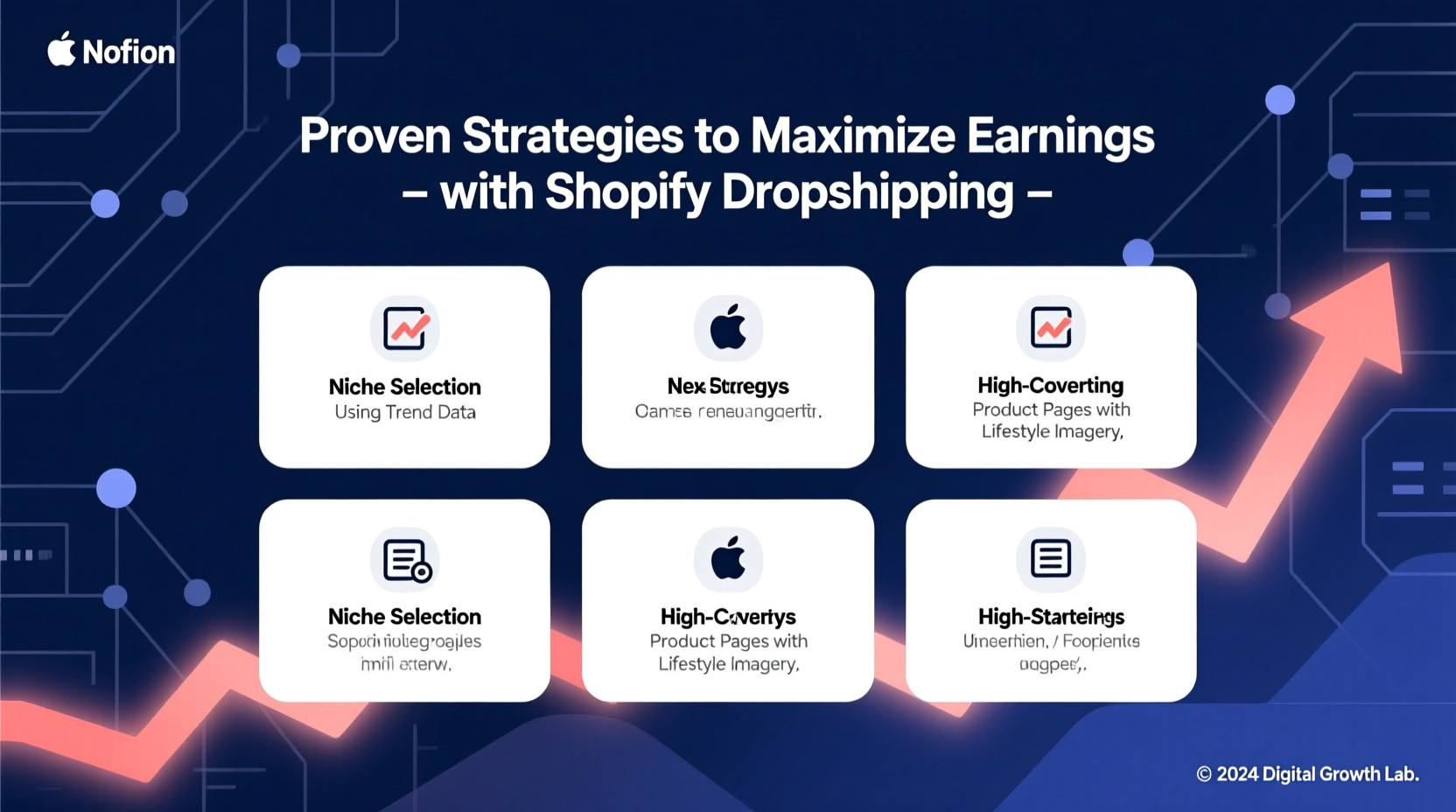
The foundation of any profitable dropshipping business is product selection. Most beginners fail because they chase trends without analyzing underlying demand drivers. Instead of copying trending items, focus on identifying products that solve a specific problem, have emotional appeal, and offer healthy profit margins (ideally 50% or higher after ad spend).
Look for niches where customers feel urgency or embarrassment—such as posture correctors, acne patches, or kitchen organization tools. These often convert better because they address pain points directly.
Avoid saturated markets unless you can differentiate through branding, bundling, or superior customer experience. For example, instead of selling generic phone grips, create a themed bundle (“Gamer Grip Kit” with RGB lighting and anti-slip coating) that stands out in ads and listings.
Optimize Your Store for Conversions, Not Just Traffic
Driving traffic means nothing if visitors don’t buy. A high-converting store turns casual browsers into paying customers by reducing friction and increasing perceived value.
Start with speed: ensure your site loads in under two seconds. Compress images, limit apps, and use a lightweight theme like Dawn or Refresh. Then audit your user journey—from homepage to checkout.
- Use clear, benefit-driven headlines (e.g., “Stop Back Pain in 7 Days—Guaranteed”)
- Show real customer reviews with photos
- Add trust badges (secure checkout, money-back guarantee)
- Include scarcity elements (“Only 3 left in stock”)
- Offer free shipping above a threshold (e.g., “Free shipping on orders over $50”)
“Conversion rate is the silent multiplier of your ad spend. A store converting at 3% makes twice the profit of one at 1.5%, all else equal.” — Ryan Sanders, E-commerce Growth Consultant
Master Paid Ads with Data-Driven Testing
Paid advertising remains the fastest way to scale a dropshipping business—but only if done strategically. Blindly running Facebook or TikTok ads leads to wasted budgets. Instead, adopt a testing framework focused on creative differentiation and audience precision.
Launch each campaign with at least 3–5 unique ad creatives: different hooks, visuals, and angles (e.g., problem-agitation vs. social proof). Use UGC-style videos showing real people using the product in context. Avoid polished studio shots; authenticity drives engagement on social platforms.
Limit initial budgets to $20–$50 per ad set to gather data quickly. Kill underperformers after 48 hours or 500 impressions. Scale winners gradually, increasing budget by no more than 20% daily to avoid algorithmic resets.
| Ad Type | Best For | Cost Per Purchase Target |
|---|---|---|
| Facebook Video Ads | Problem-aware audiences | Below 2.5x AOV |
| TikTok UGC Ads | Impulse buyers, Gen Z | Below 2x AOV |
| Google Performance Max | Retargeting & broad reach | Below 3x AOV |
Build Brand Equity to Reduce Long-Term Costs
Most dropshippers treat their stores as short-term plays, but the most profitable operators invest early in brand identity. A strong brand reduces reliance on paid ads over time by boosting organic recognition, email open rates, and customer lifetime value.
Create a memorable name, logo, and visual style. Use consistent packaging inserts with thank-you notes, discount codes, and QR links to your social channels. Encourage customers to share unboxing videos by offering incentives.
Email and SMS marketing are critical here. Set up automated flows:
- Welcome series introducing your mission
- Post-purchase sequence with care tips and cross-sells
- Win-back campaigns for inactive users
Scale Sustainably with Operational Discipline
Growth without control leads to burnout and losses. As sales increase, so do complexities: supplier delays, refund requests, inventory mismatches. To scale profitably, implement systems early.
Negotiate better terms with suppliers once you hit volume thresholds. Many AliExpress vendors offer discounts at 50+ units or faster shipping options for loyal partners. Consider partial warehousing—pre-shipping popular items to a fulfillment center in your target market can cut delivery times from 14 days to 4.
Use analytics to track key metrics weekly:
- Customer Acquisition Cost (CAC)
- Average Order Value (AOV)
- Return Rate
- Refund-to-COGS ratio
Mini Case Study: From $3K to $40K/Month in Six Months
Jess Lin launched a Shopify store selling eco-friendly pet grooming wipes in early 2023. After three months of flat results, she shifted focus from broad Facebook targeting to niche communities: dog owners with allergies, zero-waste households, and groomers on TikTok.
She redesigned her product page around a single message: “No More Itchy Pets—Hypoallergenic Wipes Loved by Vets.” Combined with UGC testimonials and a 60-second demo video, conversions jumped from 1.1% to 3.4%. By reinvesting profits into retargeting and email automation, her average customer made 1.8 purchases within 90 days. Within six months, monthly revenue grew tenfold, with CAC dropping 40% due to improved retention.
Essential Checklist for Profitable Dropshipping
Checklist: Maximize Your Shopify Dropshipping Profits
- ✅ Validate product demand using multiple data sources
- ✅ Test at least 3 ad creatives per product
- ✅ Optimize store speed and mobile experience
- ✅ Implement post-purchase upsell flows
- ✅ Set up email/SMS automation sequences
- ✅ Track unit economics weekly
- ✅ Negotiate with suppliers at scale milestones
Frequently Asked Questions
How much can I realistically earn with Shopify dropshipping?
Earnings vary widely. Beginners often make $500–$2,000/month after breaking even. Top performers earning $10K–$50K+/month typically operate multiple stores, reinvest profits, and have optimized supply chains. Sustainability depends on operational rigor, not just traffic.
Is dropshipping still profitable in 2024?
Yes, but the game has changed. Success now requires branding, better customer service, and efficient ad spending. Markets are crowded, so differentiation and retention matter more than ever. Stores focused on niche problems and repeat purchases are thriving.
What’s the biggest mistake new dropshippers make?
They prioritize finding “winning products” over building a real business. Without systems for customer service, logistics, and marketing retention, even hot products fizzle out. Focus on creating value, not just exploiting trends.
Conclusion: Turn Tactics Into Sustainable Income
Maximizing earnings with Shopify dropshipping isn’t about hacks or shortcuts—it’s about consistent execution of proven principles. Choose products with purpose, design your store for trust, test ads with discipline, and build systems that scale.
The most successful entrepreneurs treat dropshipping as a launchpad for real brands, not disposable stores. Start small, learn fast, and compound your wins. With the right approach, what begins as a side project can evolve into a resilient online business.




 浙公网安备
33010002000092号
浙公网安备
33010002000092号 浙B2-20120091-4
Comments
No comments yet. Why don't you start the discussion?