
In city parks and plazas around the world, feeding pigeons has long been seen as a harmless pastime—sometimes even a nostalgic ritual. Children toss breadcrumbs while tourists snap photos, unaware that this seemingly innocent act carries unintended consequences. While pigeons may appear gentle and unassuming, regularly feeding them disrupts ecosystems, promotes disease, and creates long-term urban challenges. Understanding the full scope of these impacts is essential for responsible coexistence with urban wildlife.
The Illusion of Harmless Feeding
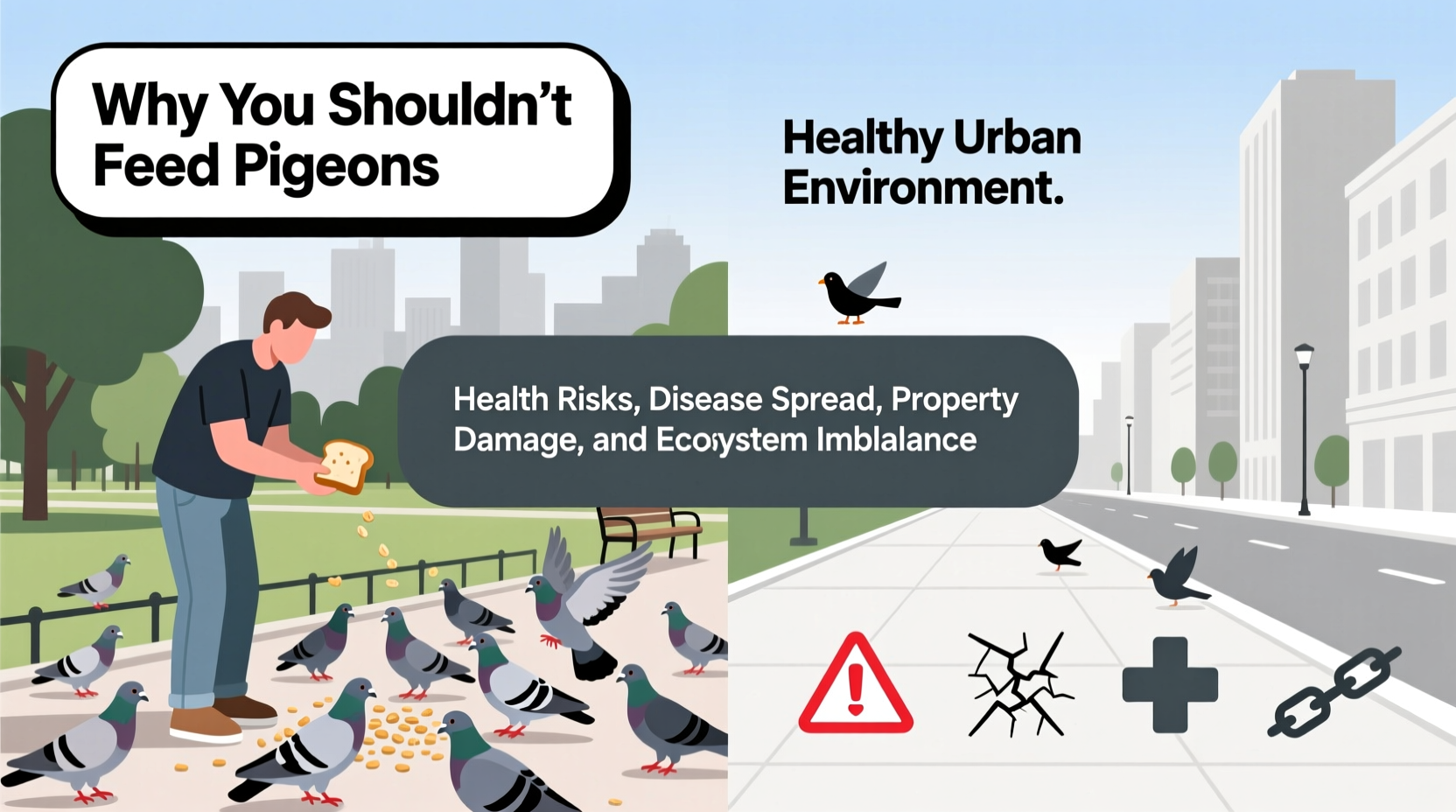
Many people assume that offering scraps to pigeons is an act of kindness. After all, birds need food to survive, and cities don’t always provide natural sources. However, human-provided food is rarely nutritionally adequate for pigeons. Bread, crackers, popcorn, and other common handouts lack essential nutrients and can lead to malnutrition over time. Unlike wild birds that forage naturally, urban pigeons become dependent on unreliable human generosity, altering their natural behaviors and migration patterns.
This dependency creates unnaturally high pigeon densities in certain areas, especially where feeding is frequent. Over time, these concentrated populations strain local resources and increase competition, leading to aggressive behavior and weakened immune systems among birds.
Public Health Risks from Pigeon Overpopulation
Pigeons are known carriers of several zoonotic diseases—illnesses that can transfer from animals to humans. Their droppings, feathers, and nesting materials harbor pathogens such as Salmonella, E. coli, and Cryptococcus neoformans, a fungus that causes respiratory infections. When large flocks congregate due to regular feeding, the risk of exposure increases significantly, particularly in areas frequented by children, the elderly, or immunocompromised individuals.
A 2021 study published in the Journal of Urban Health found elevated levels of pathogenic bacteria in soil samples taken from popular pigeon-feeding zones in major European cities. The researchers concluded that “habitual feeding contributes directly to microbial load in public spaces.”
“Feeding pigeons isn’t just about birds—it’s a public health issue. Accumulated droppings create hazardous conditions on sidewalks, benches, and building facades.” — Dr. Lena Patel, Environmental Epidemiologist
Environmental and Structural Damage
Beyond health concerns, pigeon overpopulation leads to tangible environmental and infrastructural damage. Their acidic droppings corrode metal, degrade stone, and stain concrete. Historic buildings, monuments, and statues are particularly vulnerable. Restoration costs run into millions annually across cities like London, Rome, and New York, where preservation teams battle constant wear caused by bird waste.
Nesting habits also pose fire hazards. Pigeons often build nests in ventilation shafts, gutters, and electrical enclosures. Blocked drains cause water damage, while nests near wiring can spark fires. In one documented case in downtown Chicago, a pigeon nest in a transformer box caused a localized power outage affecting over 300 residents.
| Impact Type | Consequence | Estimated Cost (Annual) |
|---|---|---|
| Building Corrosion | Deterioration of facades, statues, bridges | $1.2 billion (U.S.) |
| Drain Blockages | Flooding, roof damage | $280 million |
| Health-Related Cleanup | Disinfection of public areas | $95 million |
Legal and Policy Considerations
Recognizing the growing burden, many municipalities have implemented laws restricting or banning pigeon feeding. For example, Venice, Italy, introduced a €500 fine for feeding pigeons in 2008 to protect its historic architecture and reduce sanitation issues. Similarly, parts of London’s Trafalgar Square now prohibit feeding under the London Local Authorities Act.
These regulations aren’t arbitrary—they respond to real civic costs. Municipal cleaning crews spend countless hours removing droppings and deterring nesting. Wildlife management agencies report increased calls related to pigeon infestations in residential and commercial areas, often traced back to community feeding practices.
Mini Case Study: The Parkside Plaza Dilemma
In 2019, Parkside Plaza in Portland, Oregon, became a hotspot for daily pigeon feeding by retirees and school groups. Within two years, the local pigeon population grew from approximately 40 birds to over 300. Residents complained of noise, droppings on cars, and foul odors. The city spent $72,000 on cleanup and installed anti-roosting spikes on benches and rooftops. A public awareness campaign followed, explaining the link between feeding and overpopulation. By 2022, after enforcement and education efforts, the flock had reduced by 60%, and complaints dropped significantly.
What You Can Do: A Responsible Action Plan
Stopping pigeon feeding doesn’t mean disengaging from nature. It means making informed choices that support ecological balance and public well-being. Here’s how to contribute positively:
- Stop providing food – Resist the urge to toss crumbs, even if others around you do.
- Spread awareness – Politely inform friends or family about the consequences of feeding pigeons.
- Support humane deterrents – Advocate for bird-safe spikes, netting, or sonic devices in problem areas instead of harmful control methods.
- Report persistent issues – Notify local authorities if pigeon nesting threatens safety or hygiene.
- Engage with conservation groups – Support organizations promoting balanced urban wildlife policies.
Checklist: Assessing Your Role in Urban Bird Management
- ☑ I do not feed pigeons or encourage others to do so.
- ☑ I properly dispose of food waste to avoid attracting birds.
- ☑ I report large pigeon colonies near homes or public infrastructure.
- ☑ I support city initiatives aimed at humane bird population control.
- ☑ I educate others using facts, not fear or stigma.
Frequently Asked Questions
Isn’t feeding pigeons helping them survive in cities?
While it may seem helpful in the short term, artificial feeding disrupts natural foraging behaviors and leads to overcrowding. Pigeons are highly adaptable and capable of finding sufficient food without human intervention. Over-reliance on handouts weakens their ability to survive independently.
Are pigeons dangerous to humans?
Pigeons themselves are not aggressive, but their droppings and nesting materials can carry diseases like histoplasmosis, cryptococcosis, and psittacosis. These pose risks, especially when inhaled as dried particles in enclosed or poorly ventilated areas.
Can’t we just feed them healthier foods like seeds or grains?
No. Even nutritious foods encourage unnatural congregation and dependency. The core issue isn’t the type of food—it’s the act of feeding itself. Encouraging wild birds to rely on humans alters ecosystems and creates long-term management problems.
Conclusion: A Shift in Perspective
Letting go of the habit of feeding pigeons requires a shift in mindset—from viewing them as pets or mascots to recognizing them as part of a complex urban ecosystem. True compassion for wildlife means allowing animals to live naturally, without creating dependencies that ultimately harm them and the communities they inhabit.
Cities thrive when humans and animals coexist sustainably. By choosing not to feed pigeons, you’re contributing to cleaner streets, safer buildings, and healthier environments for everyone. This small personal change can ripple outward, influencing others and supporting broader urban wellness.




 浙公网安备
33010002000092号
浙公网安备
33010002000092号 浙B2-20120091-4
Comments
No comments yet. Why don't you start the discussion?