
Finding your first job at 16 is more than just a way to earn money—it’s a foundational step toward independence, responsibility, and career awareness. While it may feel overwhelming to break into the workforce without prior experience, thousands of teens successfully land their first roles every year. The key lies in preparation, persistence, and positioning yourself as a reliable, eager candidate. This guide outlines actionable steps to help you navigate the process with confidence, from identifying opportunities to acing your interview.
Step 1: Know Your Rights and Limitations
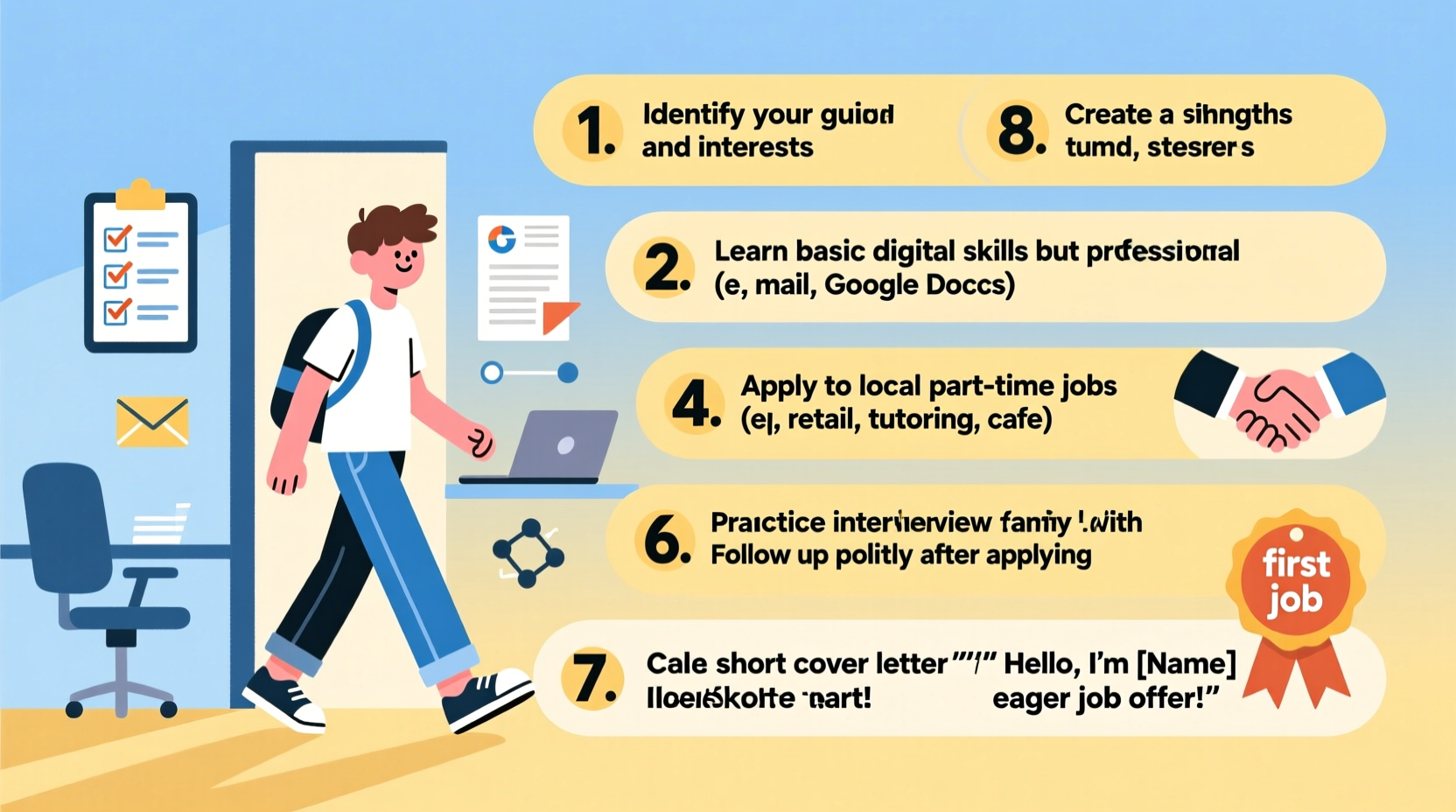
Before applying for jobs, understand the legal framework governing teen employment. In most U.S. states, 16-year-olds can work without a minor work permit, but restrictions still apply. Federal law limits work hours during school weeks to no more than 18 hours total, with shifts ending by 7 p.m. on school nights. On weekends and holidays, longer shifts are allowed.
Jobs in hazardous environments—such as operating heavy machinery or working in mining—are off-limits. However, retail, food service, customer support, and administrative roles are generally accessible. Knowing these boundaries helps you focus your search on suitable industries.
Step 2: Build a Strong Foundation with a Resume and References
You don’t need years of formal work experience to create an effective resume. At 16, your value often comes from soft skills, academic achievements, volunteer efforts, and extracurricular involvement. Focus on what demonstrates reliability, communication, and initiative.
A strong teen resume includes:
- Your full name and contact information (phone number and email)
- An objective statement tailored to the job (e.g., “Motivated high school student seeking part-time position in customer service”)
- Relevant experience—babysitting, lawn mowing, tutoring, school clubs, or volunteering
- Skills such as cash handling, computer literacy, teamwork, or bilingual abilities
- Academic highlights (honors, GPA if above 3.0, leadership roles)
References should include adults who know your work ethic—teachers, coaches, scout leaders, or community supervisors. Always ask permission before listing someone.
“Employers aren’t expecting teens to have corporate resumes. They want to see honesty, effort, and a willingness to learn.” — Sarah Lin, Youth Employment Coordinator at CityWorks Career Center
Step 3: Identify Realistic Job Opportunities
Many entry-level positions are ideal for teens starting out. These roles typically require minimal experience and offer on-the-job training. Common options include:
| Job Type | Typical Pay Range (Hourly) | Key Skills Developed | Where to Look |
|---|---|---|---|
| Fast Food Crew Member | $12–$15 | Customer service, time management, multitasking | Local chains, drive-thrus, pizza shops |
| Retail Sales Associate | $13–$16 | Merchandising, inventory, communication | Malls, clothing stores, bookshops |
| Grocery Bagger/Clerk | $12–$14 | Organization, attention to detail, physical stamina | Supermarkets, convenience stores |
| Movie Theater Attendant | $13–$15 | Ticketing, crowd control, tech familiarity | Local theaters, entertainment centers |
| Lifeguard or Swim Instructor | $14–$18 | Safety protocols, leadership, emergency response | Pools, YMCAs, community centers (requires certification) |
Don’t overlook informal gigs like dog walking, yard work, or helping neighbors. These can build credibility and provide references for future applications.
Step 4: Apply Strategically and Follow Up
Mass-applying online rarely yields results for teens. Instead, take a targeted approach. Visit local businesses in person with printed copies of your resume. A face-to-face introduction shows initiative and leaves a memorable impression.
Dress neatly, ask politely for the manager, and say something like: “Hi, I’m Alex, a 16-year-old student looking for part-time work. Do you happen to be hiring right now? I’ve attached my resume and would love to talk briefly about how I could help your team.”
If they’re not hiring, ask when you might check back. Many places keep resumes on file for months.
Step 5: Prepare for and Ace the Interview
Even brief interviews matter. Employers look for punctuality, eye contact, clear speech, and enthusiasm. Practice answering common questions:
- Why do you want this job? – Connect your answer to growth, learning, or supporting personal goals.
- Can you work weekends? – Be honest about availability; flexibility is valued.
- Tell me about a time you helped someone. – Use examples from school projects, sports, or volunteering.
Dress appropriately—clean jeans and a polo shirt for casual roles, slacks and a button-down for office settings. Arrive 10 minutes early. After the interview, send a short thank-you message via email or note if given a contact.
Mini Case Study: How Mia Landed Her First Job at 16
Mia, a sophomore in suburban Chicago, wanted a job to save for college. She started by creating a one-page resume highlighting her role as treasurer of the science club, volunteer hours at a local animal shelter, and babysitting experience. She visited six coffee shops within two miles of her home, handing resumes directly to managers.
One café owner remembered her cheerful demeanor and called three days later for a 15-minute chat. Mia arrived in clean khakis and a sweater, answered questions confidently, and mentioned she was willing to work early weekend shifts. She was hired the next day as a barista assistant. Within three months, she was promoted to handle cash register duties.
Her success came from consistency, presentation, and showing up—literally.
Essential Checklist Before You Start Applying
- Confirm your eligibility to work (age, documentation)
- Gather necessary documents: birth certificate, Social Security card, ID
- Create a simple, one-page resume
- Ask 2–3 trusted adults to serve as references
- Identify 10 nearby businesses where teens are commonly hired
- Practice a 30-second introduction about yourself
- Dress appropriately for in-person visits
- Follow up within a week if you haven’t heard back
Frequently Asked Questions
Do I need a work permit at 16?
In most U.S. states, 16-year-olds do not require a work permit. However, a few states still mandate them for minors under 18. Check with your school counselor or local labor department to confirm requirements in your area.
What if I have no experience at all?
No experience is normal at 16. Focus on transferable traits: being responsible, on time, helpful, and coachable. Include any informal work—helping at family events, organizing school drives, or assisting teachers—as relevant experience.
How much should I expect to earn?
Minimum wage varies by state but typically ranges from $12 to $16 per hour for entry-level roles. Some specialized jobs—like tutoring or certified lifeguarding—may pay more based on skill level.
Take Action Today
Your first job at 16 isn’t just about making money—it’s about building confidence, learning workplace norms, and discovering what kind of environment suits you best. Every application, conversation, and rejection brings you closer to the right opportunity. Stay persistent, present yourself professionally, and remember that employers value attitude as much as ability.




 浙公网安备
33010002000092号
浙公网安备
33010002000092号 浙B2-20120091-4
Comments
No comments yet. Why don't you start the discussion?