
There’s nothing quite like pulling a tray of golden-brown cookies from the oven—unless they balloon into domed, cake-like mounds instead of spreading into soft, chewy discs. If your cookies consistently come out too puffy, you're not alone. Many home bakers struggle with this issue, often unaware of the subtle factors that influence spread during baking. The truth is, cookie texture isn’t just about taste—it’s a science of ingredients, temperature, and technique. Understanding why cookies puff up—and how to control it—can transform your baking from inconsistent to flawless.
Why Do Cookies Puff Up?
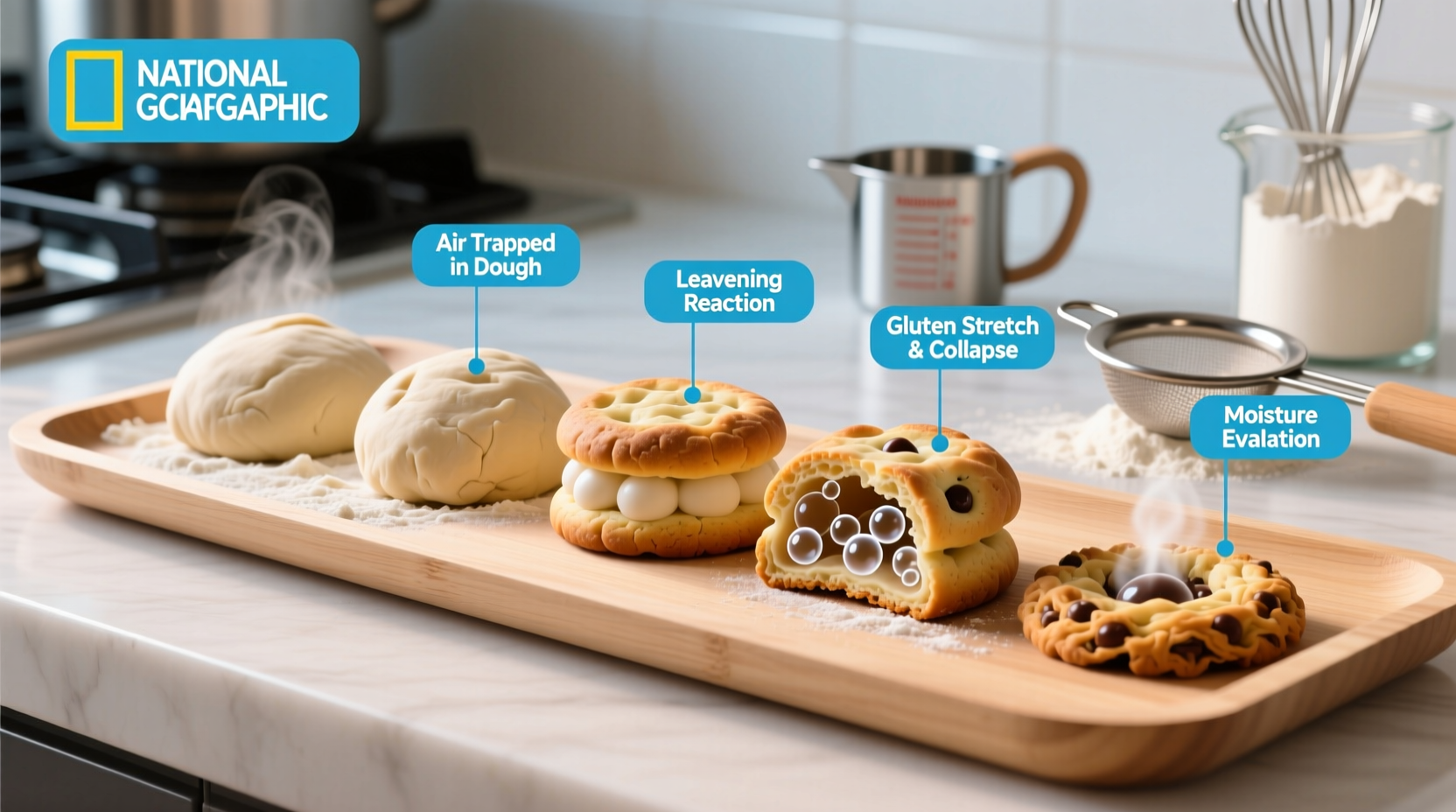
Cookies rise due to a combination of leavening agents, moisture content, fat behavior, and oven dynamics. When heat hits the dough, several reactions occur simultaneously:
- Air and steam expansion: Creamed butter traps air, which expands in the oven.
- Leavening activation: Baking soda and baking powder release carbon dioxide gas when heated or exposed to acids.
- Fat melting: Butter melts and supports initial spread—but if it melts too quickly or too slowly, structure changes dramatically.
- Protein coagulation: Egg proteins set as they cook, locking in shape.
When these processes are unbalanced, cookies can rise excessively without spreading, resulting in thick, cakey interiors rather than the crisp edges and soft centers many crave.
“Cookie spread is a dance between fat, flour, sugar, and temperature. Get one element wrong, and the whole performance shifts.” — Dr. Linda Chen, Food Scientist & Baking Researcher
The Role of Key Ingredients in Cookie Spread
Each ingredient plays a specific role in determining whether a cookie spreads or puffs. Adjusting ratios—even slightly—can have dramatic effects.
Butter: Temperature Matters Most
The temperature of your butter at mixing time is crucial. Softened butter (around 65°F) creams well with sugar, incorporating air that contributes to lift. However, if butter is too warm or melted before baking, the dough lacks structure and may spread too much—or paradoxically, not enough.
Melted butter solidifies again when chilled, but its liquid state during mixing alters gluten development and fat distribution. Overly soft butter can cause rapid spread early in baking, followed by premature setting, leading to uneven puffing.
Sugar: More Than Just Sweetness
Granulated sugar encourages spread because it dissolves and liquefies under heat. Brown sugar adds moisture due to molasses, which increases tenderness and slight acidity—activating baking soda more effectively. Too much brown sugar without enough counterbalance from granulated sugar can increase puffiness due to extra moisture retention.
Flour: Structure vs. Restriction
Too much flour inhibits spread by increasing gluten formation and dough stiffness. Even an extra quarter-cup per batch can turn cookies cakey. Always spoon and level flour—never scoop directly from the bag—to avoid over-measuring.
Eggs: The Hidden Leavening Agent
Eggs add moisture and protein, both of which contribute to structure. Extra egg yolks enrich and soften; egg whites dry and strengthen. Using whole eggs increases puff potential, especially if the dough is high in moisture.
Common Mistakes That Cause Puffy Cookies
Even experienced bakers make small errors that lead to unintended puffing. Here are the most frequent culprits:
| Mistake | Effect on Cookies | Solution |
|---|---|---|
| Dough too warm when baked | Rapid butter melt causes uneven spread and collapse | Chill dough for 30–60 minutes before baking |
| Overcreaming butter and sugar | Excess air incorporated leads to rise, not spread | Cream only until light and fluffy (1–2 minutes) |
| Oven temperature too low | Butter melts before structure sets, causing greasy puddles or delayed puff | Preheat oven to correct temp; use an oven thermometer |
| Using baking powder instead of baking soda (or vice versa) | Baking powder produces more sustained lift, increasing puff | Follow recipe precisely; understand chemical differences |
| Baking on hot trays | Dough starts melting immediately, losing shape | Cool trays between batches or use double sheet pans |
Step-by-Step Guide to Flatter, Chewier Cookies
If you’re aiming for bakery-style, evenly spread cookies with crisp edges and tender centers, follow this method:
- Weigh your ingredients: Use a kitchen scale for accuracy, especially flour. Volume measurements vary widely.
- Use room-temperature butter—not warm: It should indent slightly when pressed, not squish.
- Cream butter and sugar briefly: Stop once pale and fluffy. Overmixing whips in excess air.
- Add egg gradually: Mix just until incorporated to prevent emulsification issues.
- Chill the dough for at least 30 minutes: This firms up the butter, slowing melt during baking and allowing even heat distribution.
- Preheat oven fully: Wait until it reaches the target temperature and stabilizes.
- Bake one tray at a time in the center rack: Ensures even heat exposure and consistent results.
- Let cookies rest on the tray for 5 minutes after baking: They finish setting and firm up slightly before transfer.
“I started chilling my chocolate chip dough overnight, and the difference was night and day—better flavor, perfect texture, no puff.” — Maria Tran, Home Baker & Recipe Developer
Tips for Controlling Cookie Texture
Real Example: Fixing a Family Recipe
Sarah had been making her grandmother’s oatmeal cookie recipe for years. While delicious, they always turned out thick and cake-like. After researching, she realized the original recipe called for softened butter and immediate baking. She modified it: creamed butter less, reduced brown sugar slightly, added a tablespoon of honey, and chilled the dough for two hours. The result? Flatter, chewier cookies with caramelized edges—just like the ones she remembered from childhood.
Checklist: How to Prevent Puffy Cookies
- ✅ Measure flour accurately (spoon and level or weigh)
- ✅ Use butter at true room temperature (65°F)
- ✅ Limit creaming time to 1–2 minutes
- ✅ Chill dough for 30+ minutes before baking
- ✅ Preheat oven completely and verify with thermometer
- ✅ Avoid baking on hot trays—cool between batches
- ✅ Follow recipe for leavening agents exactly
- ✅ Test one cookie first to gauge spread
Frequently Asked Questions
Can I fix puffy cookies after they’re baked?
No—if cookies have already baked up tall and cakey, their texture cannot be changed. However, you can repurpose them into crumbles for ice cream, trifles, or pie crusts.
Does chilling the dough really make a difference?
Yes. Chilling allows flour to hydrate fully, firms the fat, and slows spread during the critical first minutes of baking. Overnight chilling also enhances flavor through enzymatic browning precursors.
Why do some recipes call for melted butter if it affects spread?
Melted butter creates a denser, fudgier texture. Recipes designed for melted butter (like brownies or certain chocolate cookies) rely on other factors—such as higher egg content or additional flour—to maintain structure. Substituting melted butter into a creamed-butter recipe will disrupt balance.
Master Your Bake: From Puffy to Perfect
Perfecting cookie texture isn’t about luck—it’s about understanding the interplay of ingredients and environment. By adjusting butter temperature, measuring precisely, chilling dough, and respecting oven dynamics, you gain control over how your cookies behave in the heat. Whether you prefer thin and crispy, thick and gooey, or somewhere in between, the power lies in your hands. Don’t accept inconsistent results as inevitable. Experiment thoughtfully, document changes, and soon you’ll bake cookies that look and taste exactly how you want them—every single time.




 浙公网安备
33010002000092号
浙公网安备
33010002000092号 浙B2-20120091-4
Comments
No comments yet. Why don't you start the discussion?