
In recent years, a quiet revolution has been unfolding in the world of wristwear. Once dominated by traditional metal clasps—lobster claws, box closures, and magnetic fasteners—a new contender has emerged: the pull string bracelet. With its minimalist design and effortless adjustability, the pull string is gaining popularity among modern consumers. But does this mean that classic clasp bracelets are on their way out? To understand the shifting landscape, it's essential to compare both styles not just in aesthetics, but in function, durability, accessibility, and evolving consumer preferences.
The Rise of the Pull String Bracelet
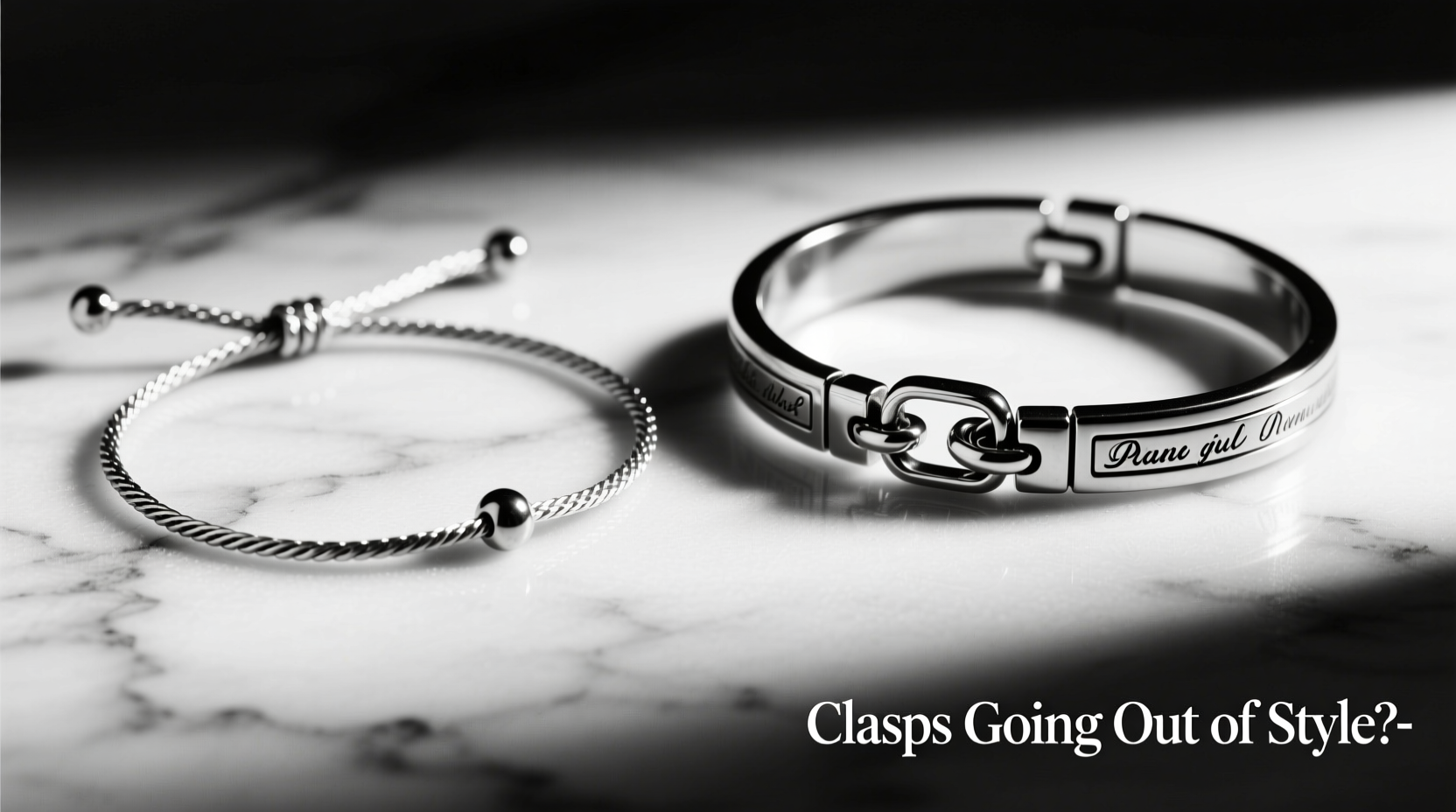
Pull string bracelets, often made with knotted cords, silk threads, or elastic strands, rely on a sliding knot mechanism for adjustment. They’re designed to slip on easily and tighten around the wrist through gentle pulling. This style gained traction through spiritual and wellness communities—think mala beads or friendship bracelets—but has now entered mainstream fashion thanks to brands embracing minimalism and gender-neutral designs.
One major appeal lies in comfort. Without rigid metal components, pull string bracelets conform naturally to the wrist, making them ideal for all-day wear. They’re also lightweight, hypoallergenic (especially when made from natural fibers), and often more affordable to produce than metal-clasped alternatives.
Design Flexibility and Aesthetic Appeal
Pull string bracelets thrive in casual, bohemian, and personalized markets. Their open-ended nature allows for easy resizing and layering, appealing to those who mix and match accessories. Many artisans use them as canvases for meaningful symbols, birthstones, or custom engravings embedded in small charms along the cord.
However, they do come with trade-offs. The absence of a fixed closure means they can loosen unintentionally, especially during physical activity. Over time, repeated friction may weaken the cord, increasing the risk of breakage if not properly maintained.
The Enduring Strength of Clasp Bracelets
Clasp bracelets have long been the standard in fine and fashion jewelry. From delicate gold chains with secure lobster clasps to chunky leather cuffs with magnetic or toggle closures, these designs offer precision, security, and elegance. Unlike pull strings, clasps provide a consistent fit every time they’re worn—ideal for heirloom pieces or items meant to stay in place without adjustment.
According to jewelry designer Lena Moreau, “A well-crafted clasp isn’t just functional—it’s part of the design language. It adds structure, balance, and sometimes even becomes a signature element of the piece.”
“A secure clasp gives confidence. You shouldn't have to worry about losing something precious because the fastener failed.” — Lena Moreau, Contemporary Jewelry Designer
Varieties of Clasps and Their Uses
Different types of clasps serve different purposes:
- Lobster clasp: Common in chain bracelets; highly secure with a spring-trigger mechanism.
- Magnetic clasp: Easy to use, especially for those with limited dexterity, though less secure than mechanical options.
- Box clasp: Elegant and strong, often used in high-end bangles and watch bands.
- Toggle clasp: Decorative and intuitive, but can accidentally slip open if jostled.
Despite their advantages, some consumers find clasps frustrating—particularly older adults or individuals with arthritis. Fumbling with tiny mechanisms can be discouraging, leading to underuse of otherwise beautiful jewelry.
Pull String vs Clasp: A Practical Comparison
| Feature | Pull String Bracelet | Clasp Bracelet |
|---|---|---|
| Adjustability | High – fully customizable fit | Low to moderate – fixed size or limited extension |
| Durability | Moderate – depends on material and knot integrity | High – especially with quality metals and secure closures |
| Ease of Use | Very high – one-handed operation | Variable – some require two hands or fine motor skills |
| Fashion Versatility | Casual, spiritual, everyday wear | Formal, professional, statement pieces |
| Risk of Loss | Moderate – can loosen or break | Low – when properly secured |
| Repair & Maintenance | Easy to restring or replace | May require jeweler for clasp repair |
Are Clasps Going Out of Style?
While pull string bracelets are trending, declaring clasps obsolete would be premature. Instead, the market is diversifying. Consumers now expect choice—not just in design, but in functionality tailored to lifestyle.
A 2023 retail survey by *Jewelry Insights Group* found that while 68% of respondents aged 18–34 expressed interest in adjustable, easy-wear bracelets like pull strings, 74% still owned at least three clasp-style pieces for formal occasions. This suggests coexistence rather than replacement.
Moreover, innovation in clasp technology is ongoing. Brands are introducing easier-to-use hybrid closures—such as magnetic-assisted box clasps or ergonomic lever backs—that combine security with accessibility. These advancements counter the notion that clasps are outdated.
Mini Case Study: The Boho-Chic Brand That Balanced Both
Take *River & Stone*, a sustainable jewelry brand launched in 2020. Initially focused solely on handmade pull string bracelets using recycled silk, they noticed customer feedback requesting more durable options for special gifts. In response, they introduced a line of recycled silver bangles with smooth, user-friendly toggle clasps. Within a year, clasp-based sales accounted for 42% of revenue, primarily driven by engagement and anniversary purchases.
Their success highlights a key insight: pull strings dominate in casual, symbolic, and self-purchased categories, while clasps retain dominance in gifting, luxury, and occasion-based segments.
How to Choose the Right Style for You
Selecting between a pull string and a clasp bracelet should depend on how you plan to wear it, not just how it looks. Consider the following checklist before purchasing:
- Will you wear it daily or occasionally?
- Do you need one-handed application?
- Is it a gift or personal keepsake?
- Will it be exposed to water, sweat, or friction?
- Do you value precise sizing over adjustability?
- Are you sensitive to metals or prefer natural materials?
If ease of use and comfort rank highest, a pull string may be ideal. If longevity, security, and formality matter most, a quality clasp design is likely the better investment.
FAQ
Can I convert a clasp bracelet into an adjustable one?
Not directly, but some jewelers can add an extender chain or replace the clasp with a sliding mechanism if the design allows. However, this may affect structural integrity and void warranties on fine pieces.
Are pull string bracelets suitable for expensive gemstone jewelry?
Rarely. Due to the inherent risk of breakage, most high-value gemstone or diamond-set bracelets use secure metal clasps. Cords are typically reserved for lower-risk stones or symbolic elements.
How long do pull string bracelets last?
With proper care—avoiding moisture, chemicals, and excessive tugging—a quality pull string bracelet can last 1–3 years. Natural fibers like silk may degrade faster than synthetic microcords.
Conclusion: Function Meets Fashion in Modern Jewelry
The debate between pull string and clasp bracelets isn’t about which will win, but how each serves distinct needs in today’s diverse market. Clasps aren’t going out of style—they’re evolving. Meanwhile, pull strings have carved out a legitimate niche rooted in accessibility, mindfulness, and effortless style.
Rather than chasing trends, the smart approach is intentional selection. Match the fastening method to your lifestyle, values, and the story you want your jewelry to tell. Whether you tie a knot or snap a clasp, what matters most is how the piece makes you feel when you wear it.




 浙公网安备
33010002000092号
浙公网安备
33010002000092号 浙B2-20120091-4
Comments
No comments yet. Why don't you start the discussion?