
A pulsating sensation in the shoulder can be disconcerting. Some people describe it as a rhythmic throb, a flutter, or even a subtle vibration that syncs with their heartbeat. While this feeling is often benign—especially if it comes and goes—it can sometimes signal an underlying issue that requires attention. Understanding the difference between normal physiological responses and potential red flags is essential for managing your health proactively.
The shoulder is a complex joint involving muscles, tendons, nerves, blood vessels, and bones. Because of its intricate structure and high mobility, it’s prone to both mechanical strain and vascular or neurological changes. A pulsating sensation may originate from blood flow, muscle twitching, nerve irritation, or referred signals from nearby organs. Most cases resolve on their own, but knowing when to act can prevent complications.
Common Causes of Pulsating Sensations in the Shoulder
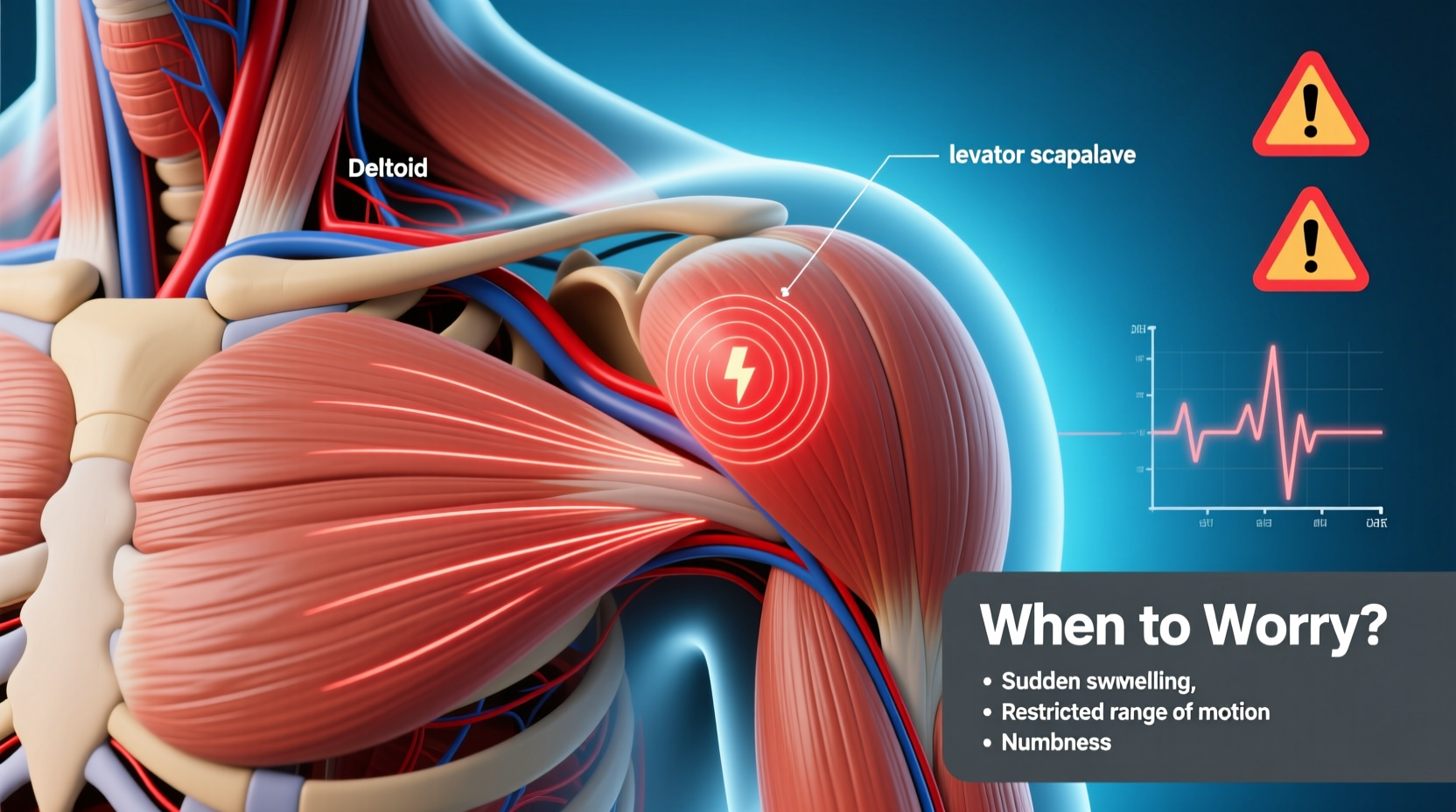
In many instances, a pulsing feeling in the shoulder is not dangerous. It may simply reflect normal bodily processes becoming more noticeable due to posture, stress, or increased awareness. Here are some frequent non-threatening explanations:
- Pulsatile blood flow: The subclavian or axillary arteries run near the shoulder. In lean individuals or during heightened circulation (such as after exercise), you might feel a pulse in areas where arteries pass close to the skin.
- Muscle fasciculations: Tiny, involuntary muscle twitches can create a vibrating or pulsing sensation. These are common after physical exertion, caffeine intake, or fatigue.
- Referred sensations from neck or spine: Nerve roots in the cervical spine (neck) innervate the shoulder. Minor irritation or compression can cause unusual feelings, including rhythmic tingling or pulsing.
- Anxiety or stress: Elevated adrenaline levels increase blood flow and muscle tension, making normal pulses more perceptible.
- Postural effects: Sitting or lying in certain positions can compress blood vessels or nerves, temporarily altering sensation.
When Pulsating Shoulder Sensations Signal a Medical Issue
While most cases are harmless, certain symptoms accompanying the pulsation warrant evaluation by a healthcare provider. Serious conditions that may present with shoulder pulsing include:
- Thoracic outlet syndrome (TOS): Compression of nerves or blood vessels between the collarbone and first rib. Symptoms include numbness, weakness, swelling, and a pulsing or cold sensation in the arm or shoulder.
- Arterial aneurysm: Rare but serious, an aneurysm in the subclavian artery can cause a localized pulsating mass under the collarbone. This may be accompanied by pain, swelling, or reduced circulation.
- Cervical radiculopathy: A pinched nerve in the neck due to disc herniation or arthritis can refer abnormal sensations—including rhythmic or electric-like pulses—to the shoulder.
- Vascular tumors or malformations: Abnormal growths affecting blood vessels can lead to pulsatile masses or unusual sensations.
- Referred cardiac pain: In rare cases, heart conditions like pericarditis or aortic dissection can radiate to the left shoulder and mimic pulsing or pressure.
“Patients often dismiss shoulder pulsing as muscle fatigue, but persistent or asymmetric pulses should be evaluated—especially if accompanied by weakness or color changes in the limb.” — Dr. Alan Reyes, Vascular Neurologist
Relief Strategies and Home Management
For benign causes, several self-care approaches can reduce or eliminate the sensation:
- Adjust posture: Avoid slouching or hunching over devices. Use ergonomic chairs and take breaks to stretch.
- Neck and shoulder stretches: Gentle range-of-motion exercises relieve nerve tension. Try chin tucks, shoulder rolls, and lateral neck stretches.
- Limit stimulants: Reduce caffeine and nicotine, which can increase vascular pulsations and muscle twitching.
- Apply warmth: A heating pad can relax tight muscles contributing to referred sensations.
- Practice relaxation techniques: Deep breathing, meditation, or progressive muscle relaxation reduce anxiety-related symptoms.
Checklist: When to Monitor vs. Seek Help
- ✅ Pulsation only occurs after exercise and fades quickly — monitor at home
- ✅ Sensation is bilateral (both sides) and mild — likely benign
- ✅ No pain, weakness, or numbness — low risk
- ⚠️ Pulse is one-sided and growing — consult a doctor
- ⚠️ Arm feels cold, weak, or turns pale/blue — seek urgent care
- ⚠️ Accompanied by chest pain or shortness of breath — go to ER immediately
Diagnostic Process: What to Expect from Your Doctor
If symptoms persist or raise concern, your physician may conduct a series of assessments to determine the root cause. The process typically includes:
- Detailed history: Onset, duration, triggers, associated symptoms
- Physical examination: Checking pulses, range of motion, nerve function, and presence of swelling
- Vascular assessment: Doppler ultrasound to evaluate blood flow in the subclavian and axillary arteries
- Imaging: MRI or CT scans if nerve compression or structural abnormalities are suspected
- Nerve conduction studies: To assess for cervical radiculopathy or brachial plexus issues
| Symptom | Likely Benign | Potential Red Flag |
|---|---|---|
| Pulsation timing | Intermittent, post-exercise | Constant, worsening |
| Location | Both shoulders | One side only |
| Associated signs | None or mild fatigue | Weakness, numbness, color change |
| Pain level | Absent or minimal | Moderate to severe |
| Response to rest | Resolves within minutes | Persists or recurs frequently |
Real-Life Example: Recognizing a Silent Warning
Sarah, a 48-year-old office worker, began noticing a faint pulsing in her left shoulder after long days at her desk. She dismissed it as stress until she developed occasional numbness in her left hand and noticed her forearm felt colder than the right. Concerned, she visited a neurologist. Imaging revealed thoracic outlet syndrome caused by poor posture and repetitive typing. With physical therapy and ergonomic adjustments, her symptoms resolved within three months. Her case highlights how seemingly minor sensations can point to treatable—but impactful—conditions when caught early.
Frequently Asked Questions
Can a pinched nerve cause a pulsating feeling in the shoulder?
Yes. A compressed cervical nerve root can generate abnormal sensory signals, including tingling, buzzing, or pulsing sensations in the shoulder or arm. These are often worsened by neck movement and may accompany weakness or reflex changes.
Is it normal to feel a pulse near the collarbone?
In some individuals, especially those with lower body fat, the subclavian artery pulse can be palpable just below or behind the collarbone. If it’s symmetrical, painless, and doesn’t change over time, it’s usually normal. Asymmetry or growth warrants evaluation.
When should I go to the emergency room for shoulder pulsing?
Seek immediate care if the pulsation is accompanied by chest pain, difficulty breathing, sudden weakness, dizziness, or if one arm becomes pale, cold, or significantly weaker. These could indicate vascular emergencies like arterial dissection or embolism.
Conclusion: Listen to Your Body, Act with Confidence
A pulsating shoulder is often nothing to fear, particularly if it’s fleeting and tied to activity or stress. But the body rarely sends random signals. By understanding what’s normal and what’s not, you empower yourself to respond appropriately—whether that means adjusting your workspace, practicing better self-care, or seeking timely medical advice.
Don’t ignore persistent or worsening symptoms. Early intervention can prevent minor issues from becoming chronic problems. Pay attention, stay informed, and trust your instincts. Your health is worth the follow-up.




 浙公网安备
33010002000092号
浙公网安备
33010002000092号 浙B2-20120091-4
Comments
No comments yet. Why don't you start the discussion?