
Large pet pythons are often admired for their calm demeanor, impressive size, and low-maintenance care compared to other exotic animals. However, behind their quiet presence lies a powerful predator capable of lethal force. While fatal attacks by pet pythons on humans are extremely rare, they do happen — and when they do, the outcomes can be tragic. Understanding why these incidents occur is essential for anyone considering or already owning a large constrictor snake.
The idea that a python might \"turn on\" its owner seems like something from a horror movie. In reality, these events are not acts of malice or revenge, but rather the result of instinctive behaviors misfiring in a domestic environment. By examining biology, husbandry practices, and human behavior, we can uncover the real reasons behind such attacks and learn how to prevent them.
The Biology of Constriction: Instinct Over Intent
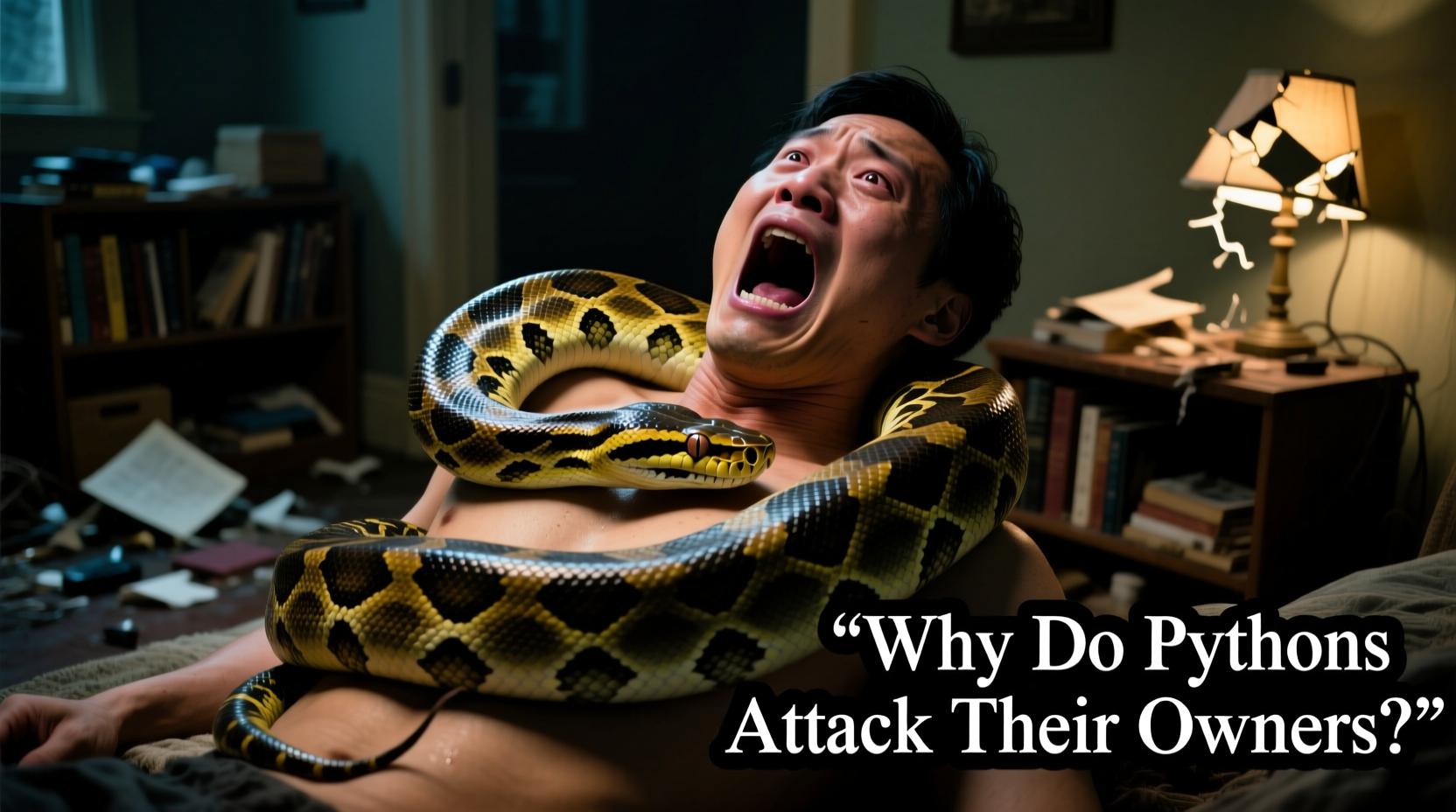
Pythons are non-venomous constrictors. They subdue prey by coiling around it and applying pressure, which stops blood flow to the brain and heart — leading to rapid unconsciousness and death. This method is highly efficient and evolved over millions of years for hunting mammals, birds, and reptiles in the wild.
In captivity, this predatory programming doesn’t disappear. Even snakes raised from birth in homes retain their natural instincts. A Burmese python, for example, can grow over 16 feet long and weigh more than 100 pounds. At that size, its strength is more than sufficient to overpower a human, especially a child or an adult caught off guard.
It’s critical to understand: a python does not attack out of anger or betrayal. It acts based on sensory input — heat, movement, scent — and interprets those signals through the lens of survival. If a snake mistakes a hand for food, or feels threatened during handling, its response is automatic, not emotional.
“Snakes don’t have the cognitive architecture for malice. What looks like aggression is almost always misdirected feeding behavior or defensive reaction.” — Dr. Sarah Thompson, Herpetologist and Reptile Behavior Specialist
Common Triggers Behind Python Attacks
Fatal incidents involving pet pythons typically follow one or more predictable patterns. Recognizing these triggers is the first step toward prevention.
- Mistaken identity during feeding: The scent of rodents on hands or clothing can cause a snake to strike at a handler. This is especially dangerous with large specimens.
- Defensive behavior: Sudden movements, loud noises, or improper handling can make a snake feel threatened, triggering a defensive coil or strike.
- Escape attempts: Loose snakes in a home may perceive nearby humans as obstacles or threats, increasing the risk of entanglement.
- Sleep disturbances: Waking a resting snake unexpectedly can provoke a reflexive defensive bite.
- Size and strength mismatch: Owners often underestimate how quickly a juvenile python grows into a powerful adult requiring two or more handlers.
Real Incident: The Case of Cambria, California (2023)
In early 2023, a 10-foot-long Burmese python escaped its enclosure in a residential home in Cambria, California. The homeowner, a 58-year-old man who had owned the snake for six years, entered the room where the animal was found coiled near his sleeping grandson. As he attempted to retrieve the snake, it shifted focus and wrapped around his arm and torso.
Despite his efforts to unwind the coils, the snake tightened its grip. Neighbors responded to screams and managed to pull the snake away using hooks and towels. The man suffered bruised ribs and temporary paralysis due to restricted circulation but survived. Experts later noted that the snake likely perceived sudden movement in a dimly lit room as a threat or potential prey item.
This case highlights several red flags: lack of secure housing, solo handling of a large specimen, and proximity to children. While no fatality occurred, it serves as a stark reminder of how quickly things can go wrong.
Prevention Checklist: Safe Handling Practices
Owning a large python comes with significant responsibility. Use this checklist to minimize risks:
- ✅ House snakes in escape-proof enclosures with locking mechanisms
- ✅ Never house snakes in bedrooms or rooms where people sleep
- ✅ Always have a second person present when handling snakes over 8 feet long
- ✅ Use feeding tongs — never feed by hand
- ✅ Wash hands thoroughly after handling prey
- ✅ Avoid wearing clothes that have been near rodents when handling your snake
- ✅ Learn proper restraint techniques from experienced handlers or herpetological societies
- ✅ Keep detailed records of feeding and behavior to anticipate stress periods
Risk Comparison: Pet Pythons vs. Other Domestic Animals
While python attacks receive disproportionate media attention, they are statistically far less dangerous than many common household pets. Consider the following comparison:
| Animal | Average Annual U.S. Fatalities | Primary Cause of Injury |
|---|---|---|
| Dogs | 30–50 | Bites, particularly to head/neck in children |
| Horses | 20–30 | Kicks, trampling, falls |
| Cats | 0–1 (typically via infection) | Scratches/bites leading to sepsis |
| Pet Pythons | Less than 1 (averaged over decades) | Constriction during handling or escape |
The data shows that while python-related deaths are shocking due to their rarity and dramatic nature, they are vastly outnumbered by injuries and fatalities from more familiar animals. However, because of their unique capabilities, pythons demand specialized knowledge and caution.
Step-by-Step: Securing a Large Python Enclosure
A secure habitat is the foundation of safe ownership. Follow these steps to ensure your setup minimizes risk:
- Assess size: The enclosure should be at least two-thirds the length of the snake and allow full body extension.
- Choose sturdy materials: Use thick acrylic, reinforced glass, or welded metal frames. Avoid flimsy plastic bins.
- Install locking lids: Use twist latches or padlock-compatible clasps. Screen tops must be securely fastened.
- Check ventilation: Ensure airflow without compromising security. Gaps larger than ½ inch can allow escape.
- Elevate off floor: Place the enclosure on a stable platform, not directly on carpet or tile where snakes could hide underneath.
- Perform weekly inspections: Test locks, check for wear, and verify no warping or weakening of structure.
Frequently Asked Questions
Can a pet python recognize its owner?
Pythons do not form emotional bonds like dogs or cats. They may become accustomed to a handler’s scent, routine, and touch, leading to calmer behavior, but this is habituation, not recognition or affection.
Are certain python species more dangerous than others?
All large constrictors pose risks when mishandled. Burmese pythons, reticulated pythons, and African rock pythons are most commonly involved in serious incidents due to their size and strength. Smaller species like ball pythons are generally considered safe with proper care.
What should I do if my python starts to constrict me?
Stay calm. Do not pull away violently, as this may tighten the coils. Use a hook or towel to gently pry open the first loop behind the head. Once loosened, carefully unwind the snake in the direction of its body. Seek help immediately if you cannot free yourself.
Conclusion: Responsibility Is Non-Negotiable
Pythons don’t “kill their owners” out of spite or betrayal — they act on instinct in situations where human error has created a dangerous overlap between natural behavior and domestic life. Most incidents are preventable with proper education, respect for the animal’s power, and adherence to safety protocols.
If you own or plan to own a large python, treat it not as a cuddly pet, but as a powerful wild animal living under controlled conditions. Invest in secure housing, seek mentorship from experienced keepers, and never let familiarity breed complacency. These animals deserve our respect — and so do the communities in which we keep them.




 浙公网安备
33010002000092号
浙公网安备
33010002000092号 浙B2-20120091-4
Comments
No comments yet. Why don't you start the discussion?